
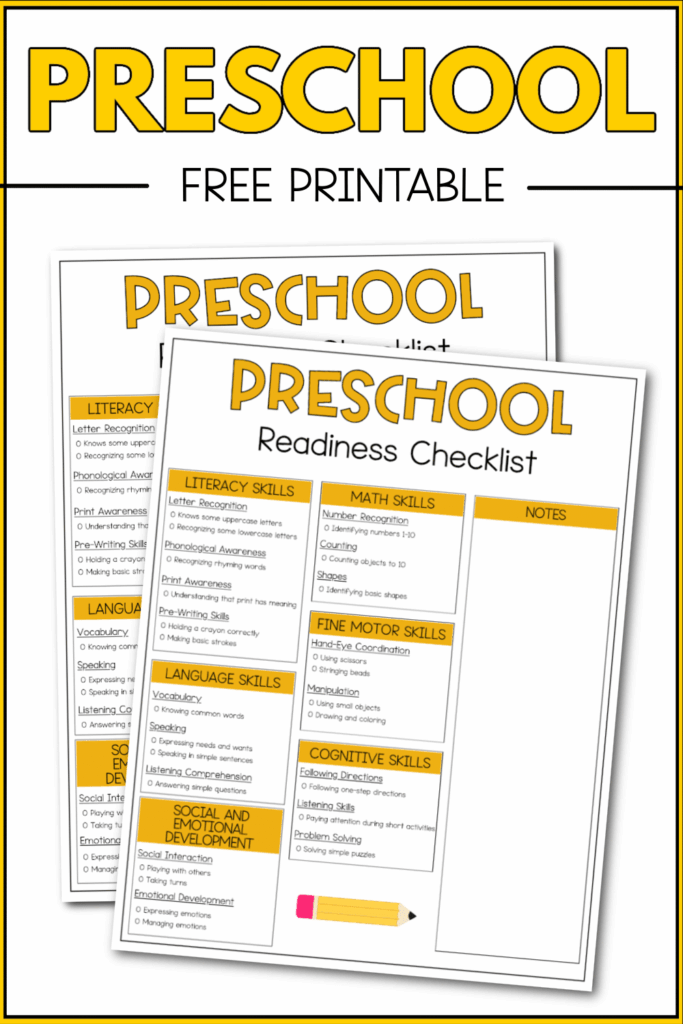
Free Printable Preschool Readiness Checklist
July 17, 2025
All activities on this site require adult supervision. When using this website, you agree to our terms of use. This post may contain affiliate links. I am an Amazon Associate, a Walmart partner, and a member of other affiliate programs and I earn a commission on qualifying purchases at no extra cost to you. Please read our disclosure policy for details.
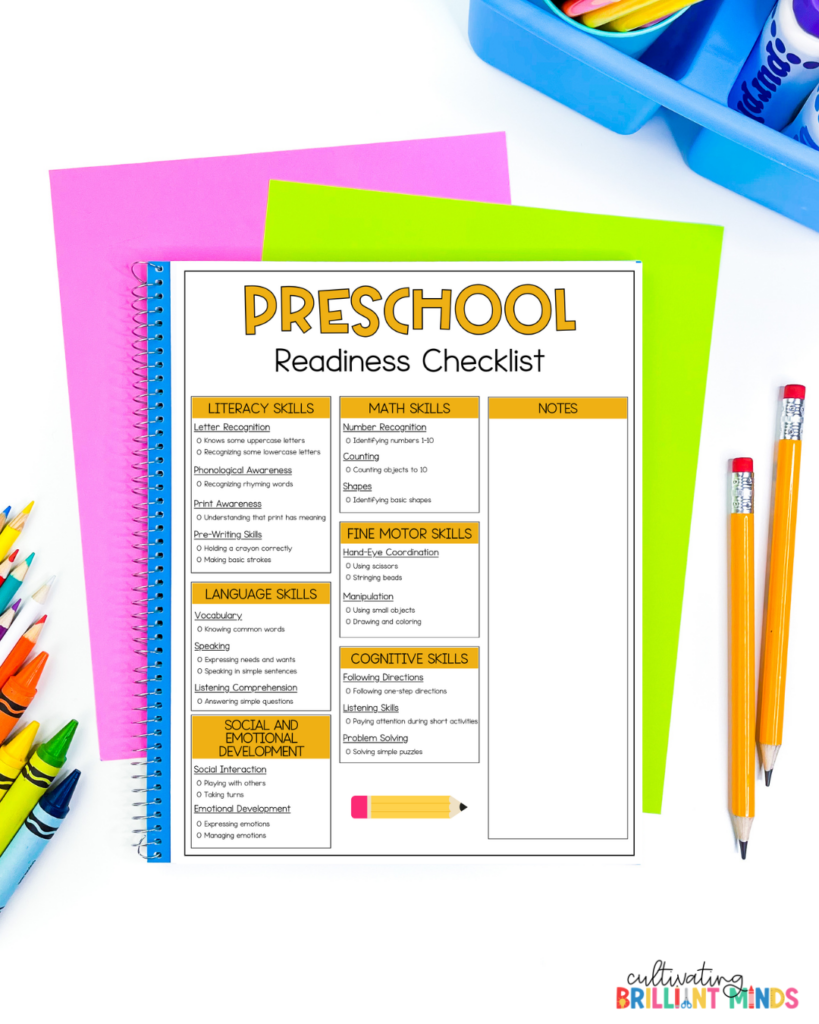
Starting preschool is a huge milestone — and not just for your child, but for you too. It’s the beginning of a new chapter filled with discovery, growth, and independence. But let’s be honest: figuring out whether your child is “ready” for preschool can feel overwhelming. Where do you even start? That’s where a Preschool Readiness Checklist becomes your best friend. Think of it as a roadmap, gently guiding you through the skills your child will be using in their new classroom — and how you can support those skills in everyday, joyful ways.
And the best part? You don’t need a stack of worksheets or fancy programs. All it takes is a little intention, a lot of play, and a few great books.
Download Options
INSTANT ACCESS
Don’t want to wait? Get your preschool readiness checklist instantly. No scrolling through ads or waiting for emails required.
No waiting. Only $1.
FREE DOWNLOAD
Prefer the free version? Keep reading to sign up for the freebie!
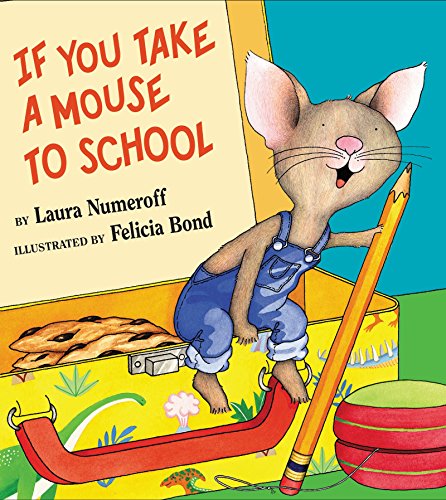
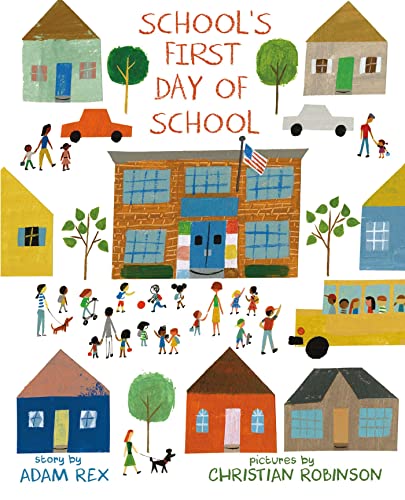
Back To School Books



Learning Letters Through Play
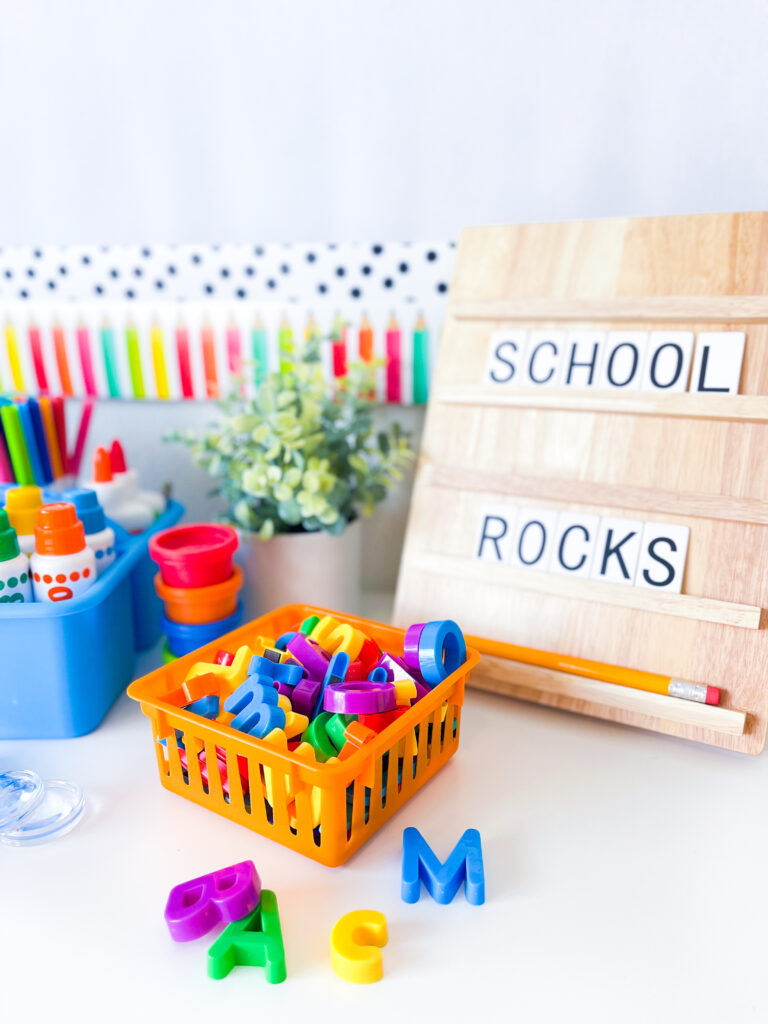
Literacy skills are some of the first things parents think about when preschool approaches. But don’t worry — your child doesn’t need to read or write just yet. Instead, focus on helping them recognize letters (especially those in their name), notice rhyming words, and understand that print has meaning.
You can start with simple activities like singing the ABCs together or going on a “letter hunt” around your house. Try letting your child trace their name with their finger in shaving cream or use magnetic letters on the fridge.
Books are also a powerful tool. Chicka Chicka Boom Boom is a longtime favorite — fun, rhythmic, and full of letters that climb up (and fall out of) a coconut tree. Pair that with Dr. Seuss’s ABC for silly rhymes and playful letter sounds, and you’ve got a perfect early literacy duo.
Building Math Skills (No Flashcards Required!)
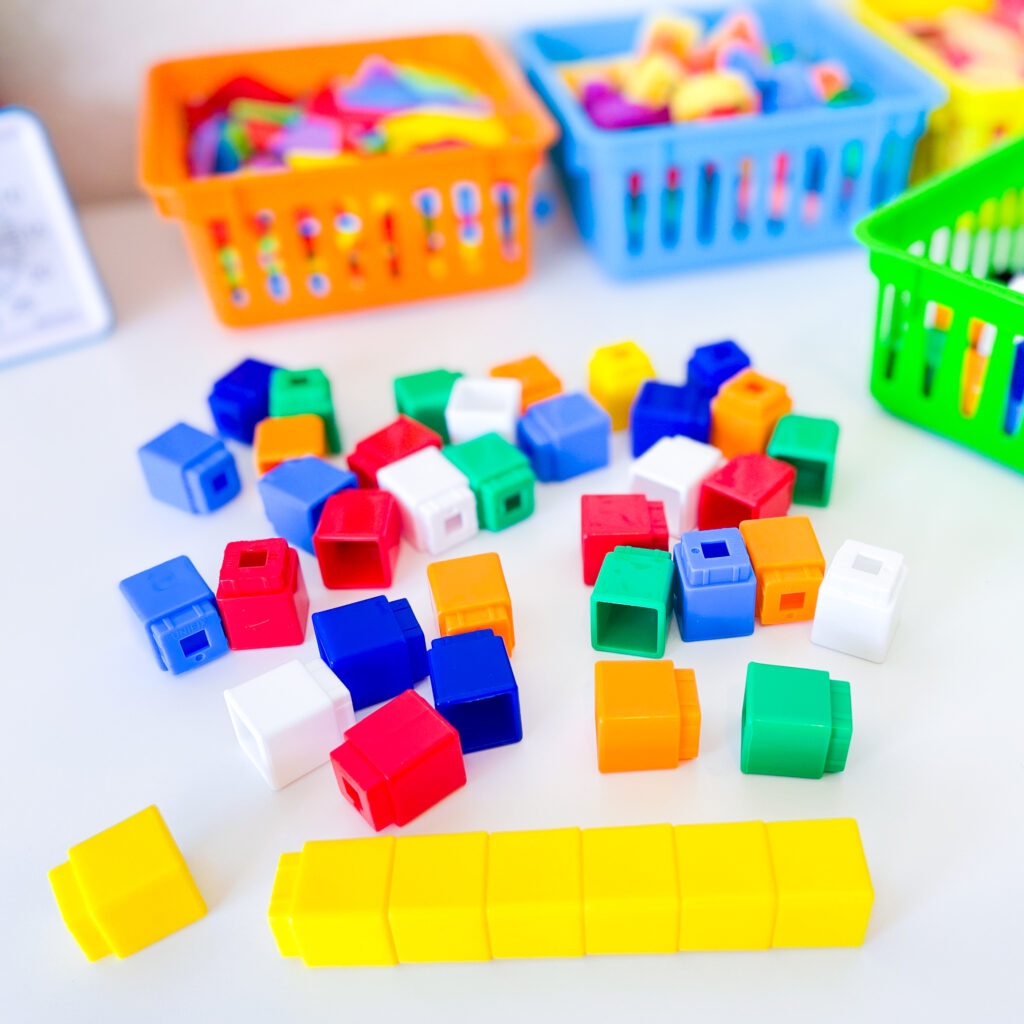
Math in preschool is all about curiosity and observation. Can your child recognize numbers up to 10? Can they count a few objects? Do they notice shapes in the world around them?
Everyday routines are full of math opportunities. Count blueberries together at snack time. Point out shapes on traffic signs. Use dot stickers to practice number recognition or sing counting songs like “Five Little Monkeys” while jumping on the bed.
Need a cozy read-aloud? Ten Black Dots by Donald Crews encourages creativity while reinforcing counting, and Mouse Shapes by Ellen Stoll Walsh turns shapes into a fun storytelling adventure.
Building Fine Motor Skills
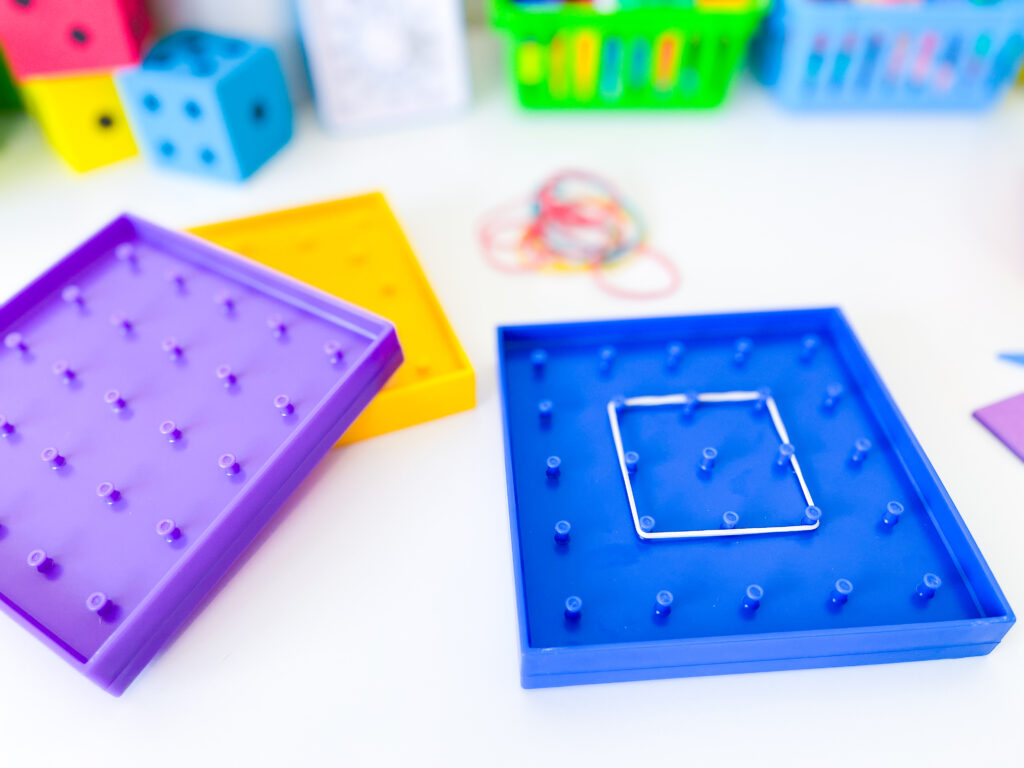
Fine motor skills — the small movements that help with writing, cutting, and buttoning clothes — take time to develop. Before your child can form letters, they need the muscle control to hold a crayon, use scissors, or string beads.
This is where play really shines. Let them squish playdough, peel stickers, cut paper strips with kid-safe scissors, or draw with jumbo crayons. These activities may look simple, but they’re laying the foundation for writing and classroom independence.
For book time, check out I Can Draw! or even coloring books that let your child follow basic lines. Stories like The Very Hungry Caterpillar are also great for tracking images with fingers and practicing sequencing.
Boosting Language Through Everyday Conversations
Strong language skills help children express themselves, understand others, and thrive socially. You can support this by simply talking with your child throughout the day — asking questions, describing what you see, and encouraging them to share their own ideas.
Instead of focusing on “correct” grammar, celebrate their efforts to speak in full sentences and answer simple questions. During storytime, pause to ask, “What do you think will happen next?” or “How do you think she feels?”
Books like Brown Bear, Brown Bear, What Do You See? and Llama Llama Red Pajama are fantastic for vocabulary and repetition. They also open up opportunities to talk about routines, feelings, and the world around them.
Encouraging Problem-Solving and Focus
Preschool involves short group activities, basic instructions, and simple problem-solving — all of which you can start practicing at home.
Games like Simon Says, puzzles, and sorting toys help build attention and cognitive flexibility. Ask your child to follow one-step directions, like “Put your shoes by the door” or “Bring me the red block.” You can gradually add two steps as they gain confidence.
Need a book that promotes thinking skills? Try Where’s Spot? for interactive storytelling, or I Spy Little Book for visual puzzles that make kids slow down and observe.
Practicing Social and Emotional Skills
Emotional readiness is just as important as academic skills. Preschoolers are learning to play with others, take turns, express big feelings, and manage frustration — all essential to a successful classroom experience.
You can help by role-playing with toys, talking openly about emotions, and setting up playdates to practice cooperation. When your child shares a toy or waits patiently, praise those moments as important wins.
Books like The Feelings Book by Todd Parr are bright and friendly for talking about emotions, while How Do Dinosaurs Play with Their Friends? makes lessons about manners and kindness extra fun.
Progress, Not Perfection
Every child develops at their own pace. Your child doesn’t need to “master” every skill before starting preschool — they just need a supportive environment and the opportunity to grow.
Use the checklist as a flexible guide, not a test. The goal isn’t to check off every item perfectly, but to help your child feel capable, curious, and excited about what’s to come.
So grab your crayons, your favorite storybooks, and a whole lot of patience — because getting ready for preschool isn’t about perfection. It’s about play, connection, and laying the foundation for a lifelong love of learning.
Preschool Activities
Get kids ready for preschool by building essential developmental skills and basic learning, such as number and letter recognition.
Keep reading below for some of my favorite ideas for kids to get ready for preschool!
Alphabet Crafts
Check out my free alphabet crafts to help kids learn letter recognition and letter sounds. I have many different letter activities, but these alphabet crafts are my favorite!
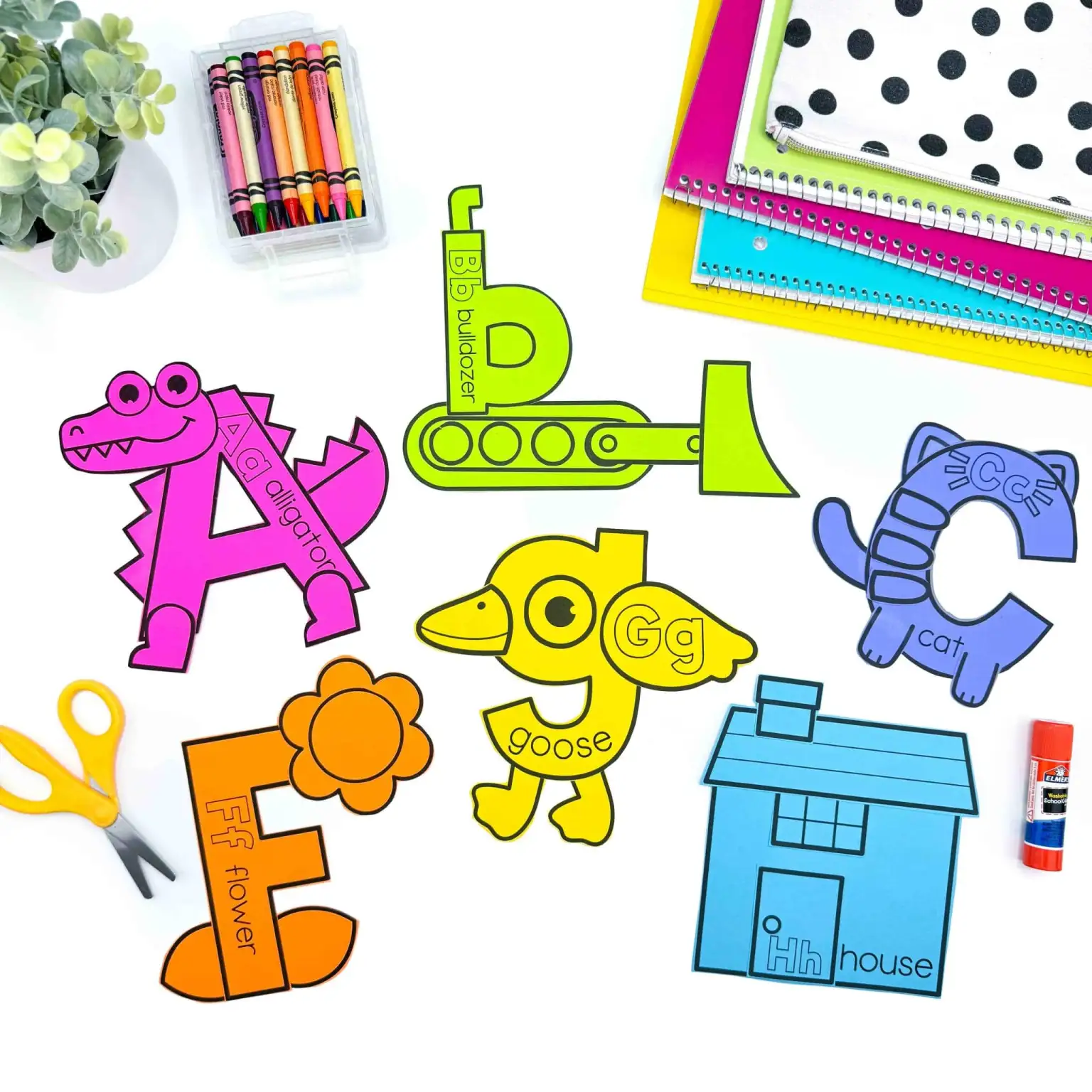
A-Z Alphabet Crafts use each letter to build an animal or object that begins with the same letter (except x as it is found at the end of words). For example, the letter A is used to build an alligator. I love these alphabet crafts because they build letter recognition, letter sounds, motor skills, cutting skills, and writing skills.
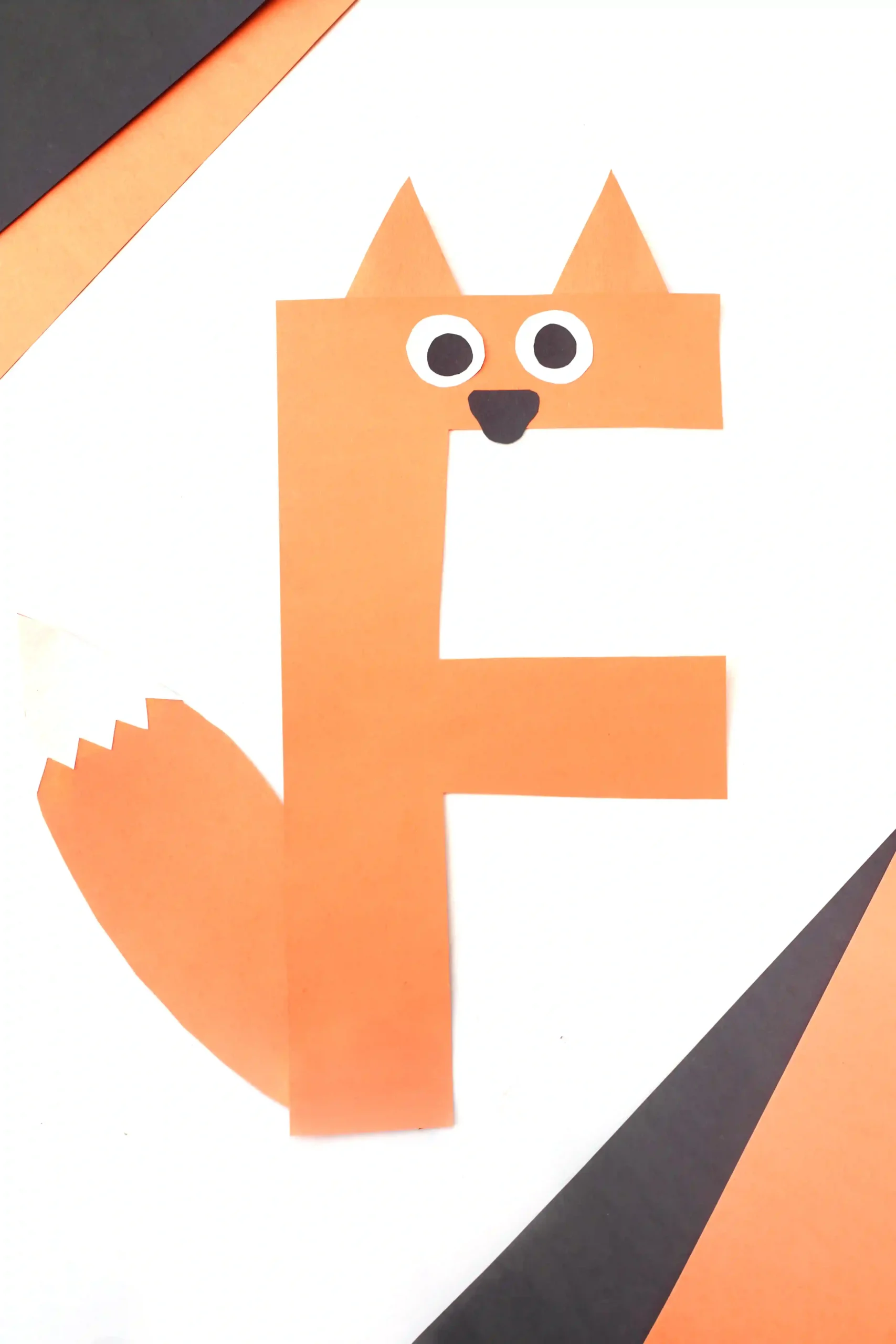
My other alphabet crafts use construction paper to create objects and animals that begin with the same letter as well. If you don’t want to print anything or would rather use construction paper, these are for you! Keep in mind that since these don’t have any templates, an adult will need to help cut out the letters. Some of my favorites are letter b, letter f, and letter j. You can find the rest of the alphabet activities here.
Fine Motor Activities for Preschoolers
Playdough Activities– These playdough activities are a fun and easy way to boost fine motor skills through play. Kids will make all kinds of creations and will be having too much fun to realize they are building developmental skills.
Caterpillar Sensory Bin– This caterpillar sensory bin is one of my favorites for preschoolers-to-be because it combines sensory play with color recognition and sorting. Kids will sort the colors while building muscles in the hands and fingers.
Plus, check out my other fine motor skills activities to help your kiddo get ready for preschool!



Leave a Reply