

How To Make A Lego STEM Activity
April 19, 2025
All activities on this site require adult supervision. When using this website, you agree to our terms of use. This post may contain affiliate links. I am an Amazon Associate, a Walmart partner, and a member of other affiliate programs and I earn a commission on qualifying purchases at no extra cost to you. Please read our disclosure policy for details.
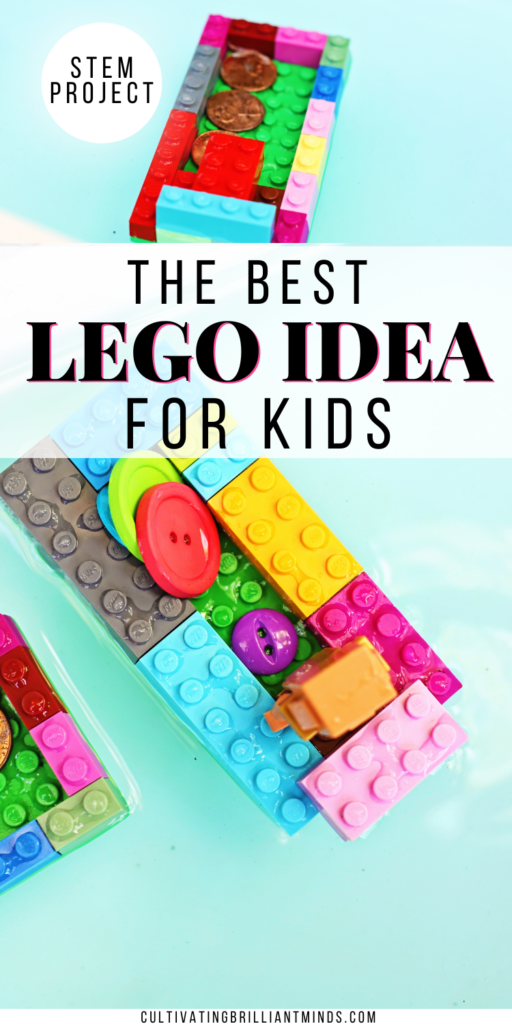
If you’re looking for a screen-free activity that combines STEM skills, hands-on building, water play, and a splash of friendly competition, you’re going to love this Floating LEGO STEM Activity. Whether you’re a teacher prepping a classroom STEM station or a parent setting up backyard fun, this simple yet brilliant activity is a huge hit with kids—and it’s packed with meaningful learning.
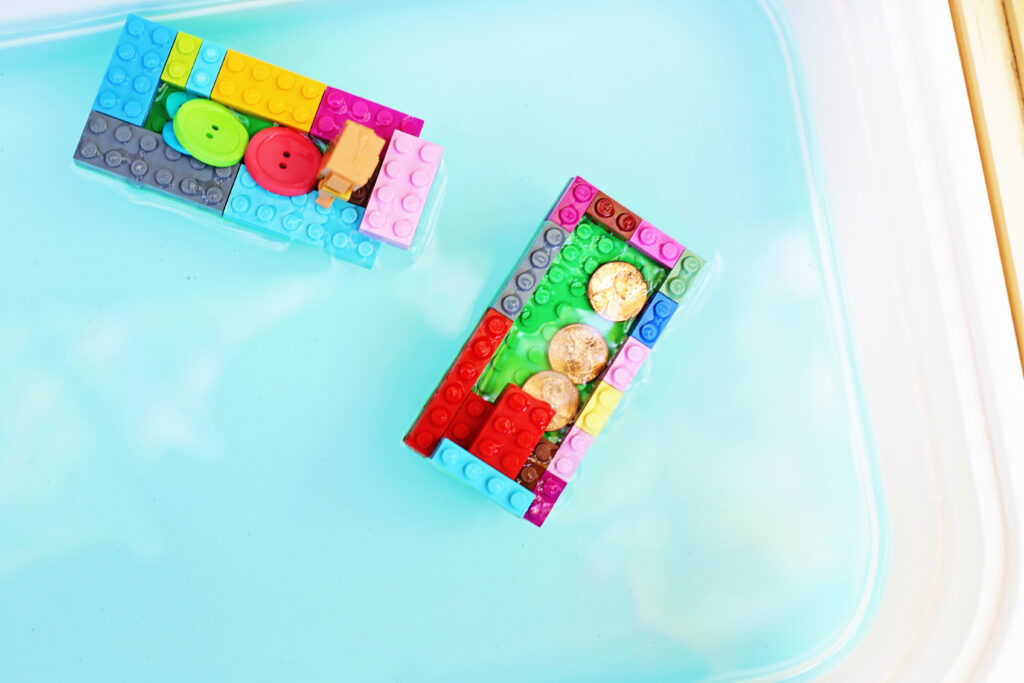
In this challenge, kids design and build their own boats using LEGO bricks, test their creations in water, and see how much “cargo” each one can carry before it sinks. It’s all about experimenting, thinking like an engineer, and having a blast while doing it.
Why This LEGO STEM Activity Captivates Kids
Let’s face it—anything involving LEGO bricks and water is basically kid gold. Children are naturally drawn to building, creating, and testing things, and this challenge taps into that innate curiosity.
Here’s why kids love it:
- It feels like play: There are no “right” answers—just ideas to try and see what happens.
- It involves water: Sensory play meets science, which makes the learning feel like fun.
- It gives them control: They choose the design, the materials, and the improvements.
- It’s interactive: Watching a boat float (or sink!) adds a bit of thrill and anticipation.
And once they’ve floated their first boat, the fun only builds—kids are eager to redesign, improve, and beat their own “cargo-carrying” records.
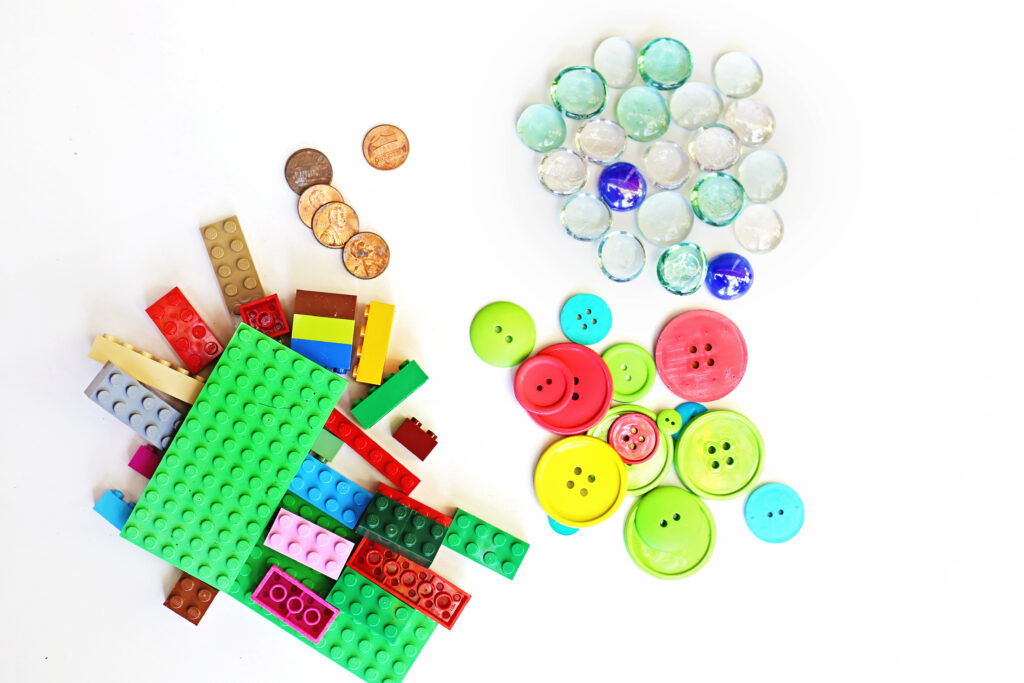
What You’ll Need For This Lego Activity
How This Lego STEM Activity Works
The basic process is simple and open-ended:
1. Build the Boat
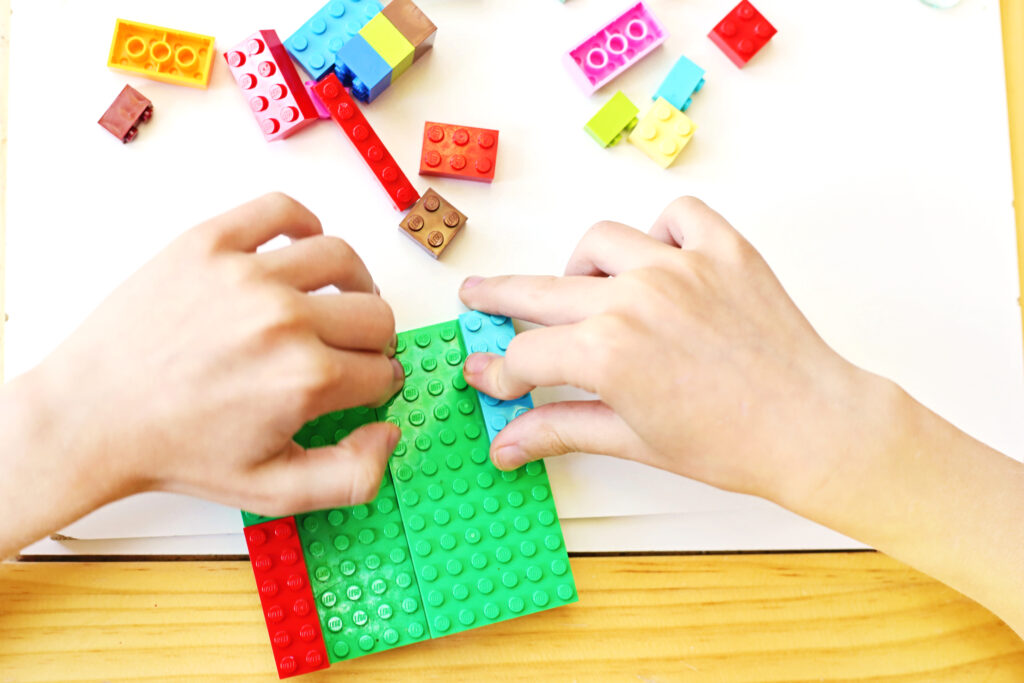
Let kids design and build their own floating boats using LEGO pieces. Encourage them to think about structure, shape, balance, and symmetry. Some might try tall towers, others might go flat and wide. There’s no one way to do it.
2. Test for Floatation
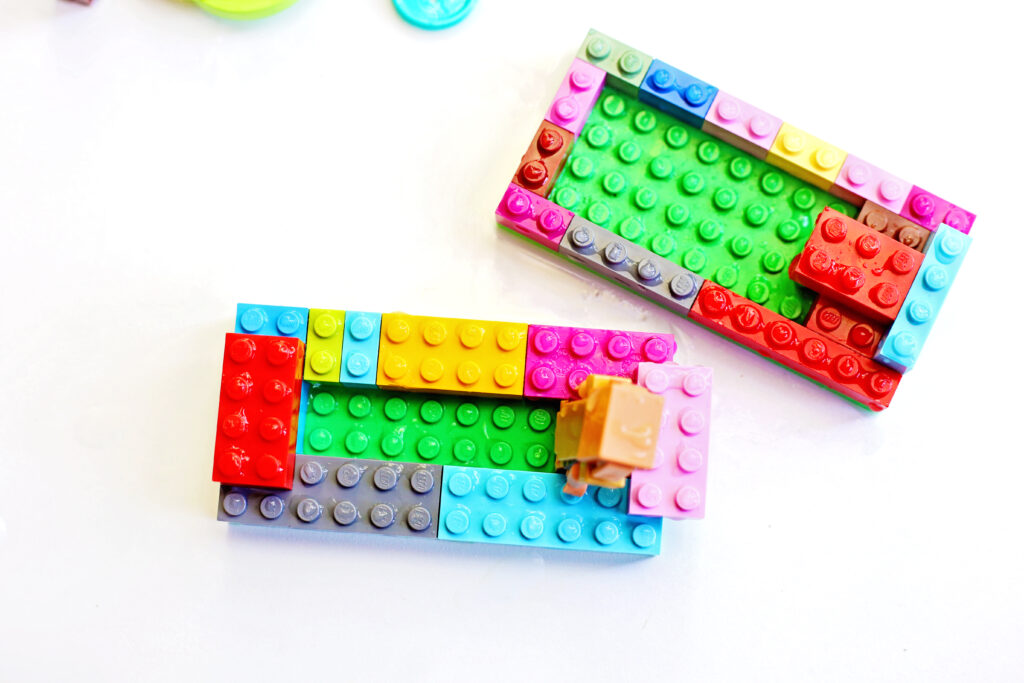
Place the boat in the water and see what happens. Does it float? Does it tip over? If it sinks, let them go back to the building board and try again. This part is all about trial and error, one of the most powerful forms of learning.
3. Cargo Challenge
Once the boat floats, start loading it with cargo—one item at a time. Count how many objects it can hold before it sinks. Let kids record their results and challenge each other to improve their designs.
4. Experiment and Modify
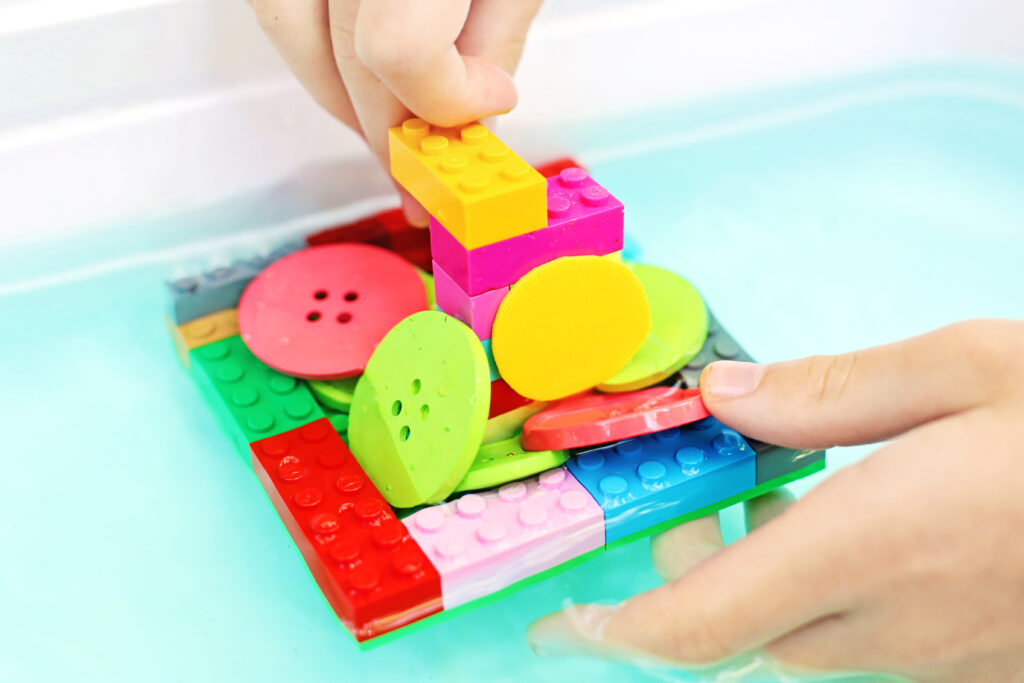
After the first round, encourage kids to redesign their boats. Can they make it hold more cargo? Stay more balanced? Float longer? Try limiting the number of bricks or testing how the size and shape of cargo affects the outcome.
A LEGO Stem Activity That Incorporates Learning
This might look like a simple play activity—but it’s full of educational gold. Here’s what children are practicing while they splash, build, and test:
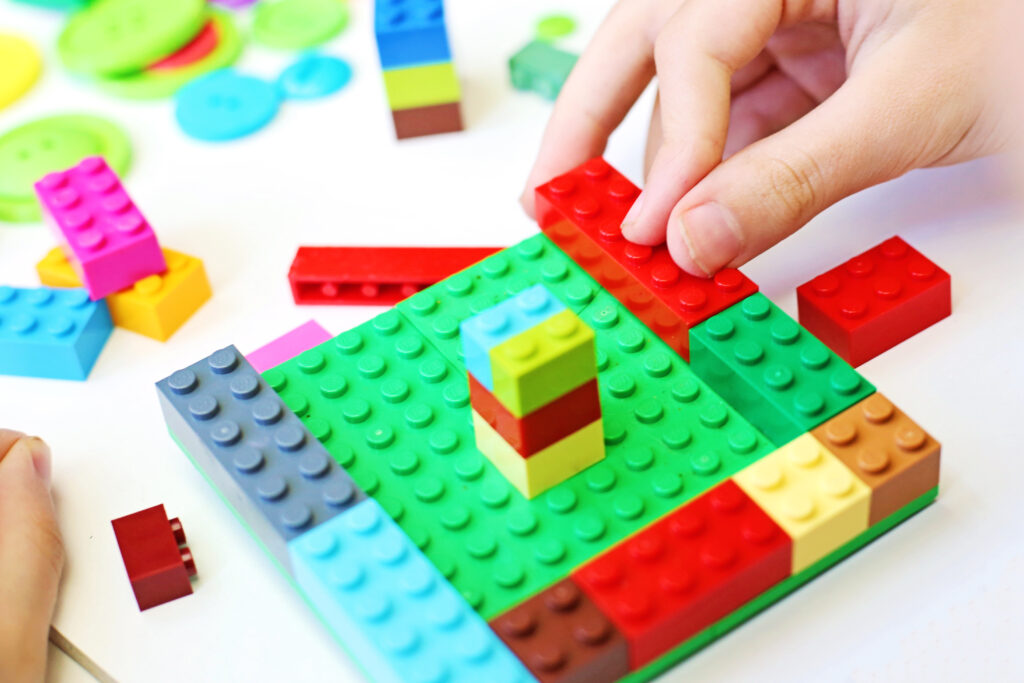
1. Engineering & Design Thinking
Kids have to build a structure that meets a goal—just like real engineers. They learn to test, revise, and try again, all while considering how different parts work together.
2. Scientific Concepts
This challenge introduces buoyancy, density, and balance in a tangible way. Rather than memorizing definitions, children see and experience how things float or sink.
3. Problem-Solving & Critical Thinking
If the boat sinks or tips, what went wrong? What can be improved? Children learn to reflect, adapt, and make informed changes—an essential part of learning.
4. Fine Motor Skills
Building with LEGO bricks strengthens finger and hand muscles—great for developing fine motor control needed for writing and daily tasks.
5. Collaborative Play
If done in groups, this challenge promotes communication, sharing ideas, and learning from one another’s successes and setbacks.
Ideas for This LEGO STEM Activity At Home and School
This activity is incredibly flexible. Here are a few ways to expand on it:
At School:
- Turn it into a STEM station with challenge cards (e.g., “Build a boat using only 20 bricks” or “Build a boat that holds the most cargo”)
- Add math by having students graph their results
- Integrate writing with a reflection page: “What worked? What didn’t? What will I try next?”
- Use it during science units on buoyancy or materials
At Home:
- Set up a backyard or bathtub challenge with siblings or friends
- Create a family contest—whose boat can hold the most pennies?
- Combine with a trip to a lake, pond, or children’s museum to explore real boats, water flow, or nature
- Pair it with a book about boats or floating (like Who Sank the Boat? by Pamela Allen)
Why Tangible Science Is So Important
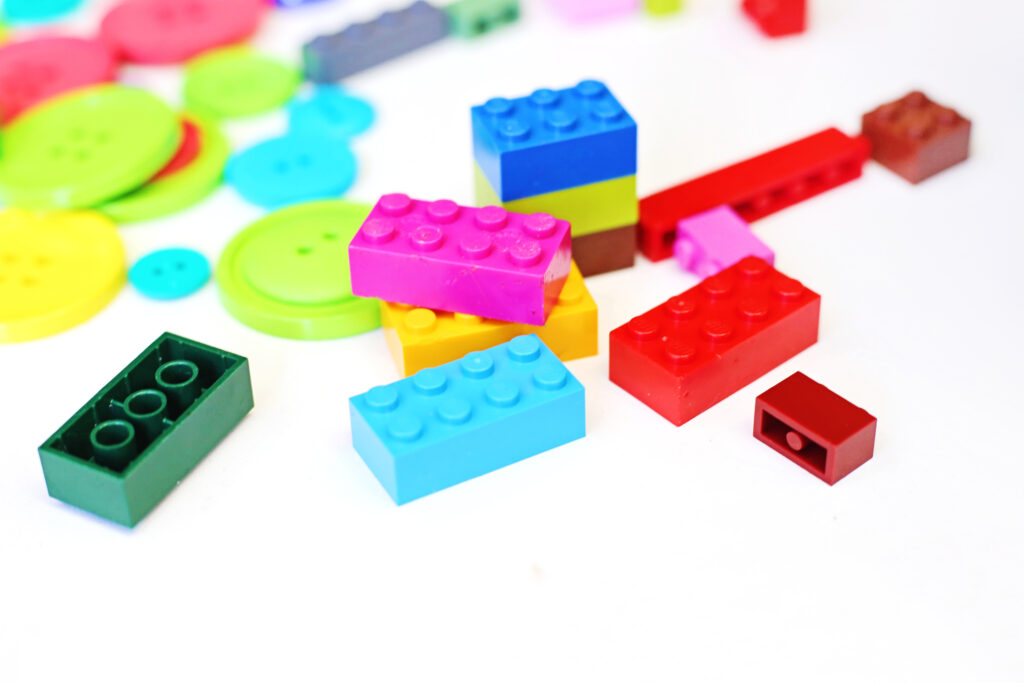
There’s something special about learning you can see, touch, and manipulate. When kids experiment with real materials, they’re not just memorizing—they’re building knowledge through experience.
Tangible science like this helps children:
- Build connections between abstract ideas and real-world examples
- Gain confidence in testing ideas and learning from mistakes
- Foster a lifelong curiosity for how things work
- Understand that failure isn’t the end—it’s part of the process
Floating LEGO Boats turn those concepts into an accessible, kid-approved adventure.
A Challenge That Grows with Your Kids
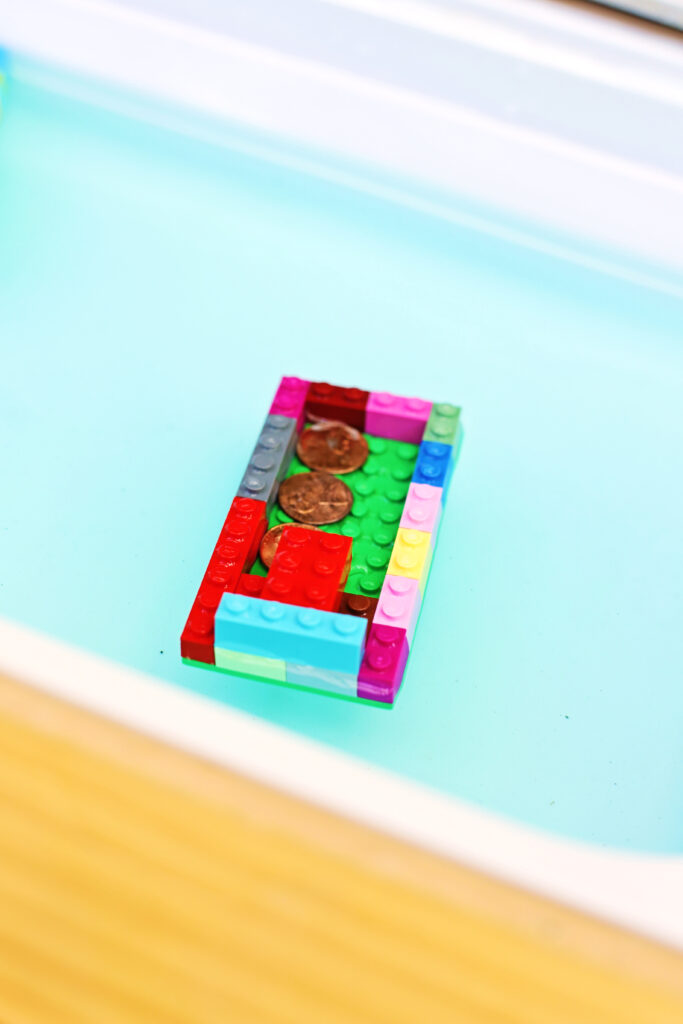
One of the best parts of this STEM challenge is that it scales easily with age and ability. For younger kids, it’s a fun introduction to floating and sinking. For older students, it becomes a more strategic engineering task—complete with constraints, redesigns, and friendly competition.
Add new twists like:
- Limiting the number of bricks
- Time-based design challenges
- Testing different liquids (like salt water vs. fresh water)
- Creating boats with sails or movement
No matter how you adapt it, the core learning stays strong—and the engagement stays high.
Ready, Set, Float!
So gather those bricks, fill up the tub, and let your little engineers dive into a world of hands-on discovery. This LEGO STEM Activity is science, art, and play all in one—and it’s one learning experience your kids will ask to do again and again.
This post may contain affiliate links, please read our disclosure policy for details.
Lego Books To Read









How To Make A LEGO Boat STEM Challenge
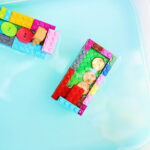
This LEGO STEM Challenge is a fun and unique activity for kids. With just legos and water, kids will have a blast making a boat that floats and carries things!
- Prep Time: 5
- Total Time: 5 + play time
- Category: Activities, DIY, STEM
- Method: Setup
Materials
● LEGO bricks (a mix of sizes and shapes)
● A large bin or container filled with water
● Small objects to use as “cargo” (e.g., coins, buttons, glass pebbles, etc)
● Towels for drying off
Instructions
1. Build: Kids design and build their own boats using LEGO pieces. Encourage different shapes and structures.
2. Float Test: Place the boats in the water to see if they float. If not, they can rebuild and try again!
3. Cargo Challenge: Once the boats float, add small “cargo” items one by one to see how much each boat can hold before it sinks.
4. Experiment: Let kids modify their boats. Maybe making them smaller, wider, longer, heavier, or lighter. Then compare results.







Leave a Reply