

Galaxy Easter Eggs: A Fizzy Easter Egg Decorating Idea Kids Love
February 18, 2026

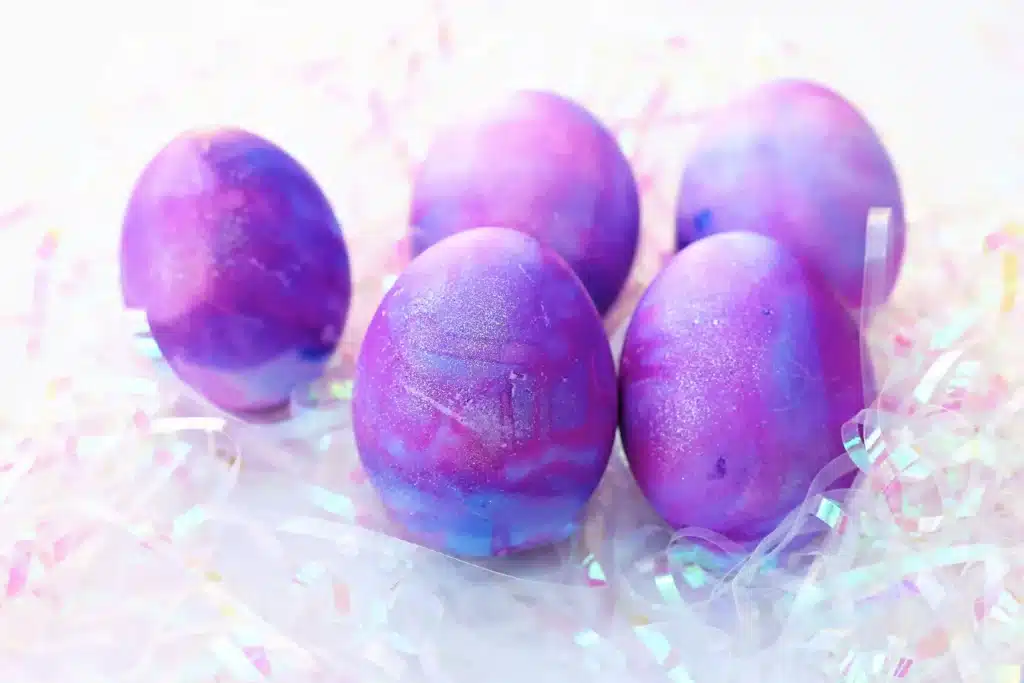
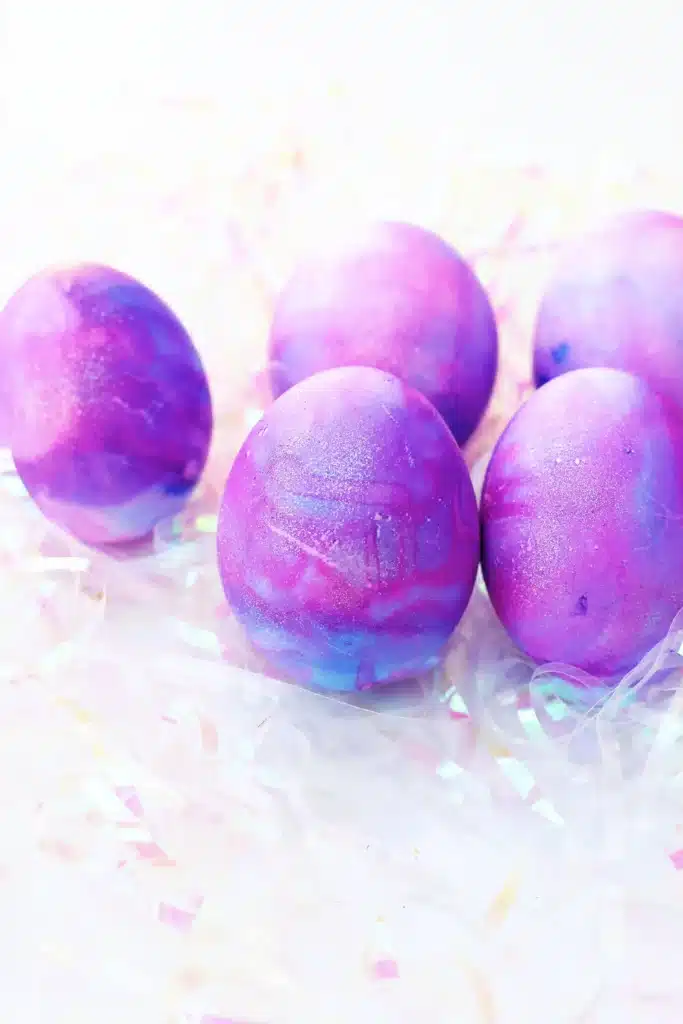
Galaxy Easter eggs turn an ordinary egg dyeing session into a swirling mini science lab. Rich purples, electric blues, and cosmic pinks melt together across the shell while bubbles fizz and shimmer like tiny starbursts. This Easter egg decorating idea blends art and science into one colorful event, making it a memorable Easter activity for kids of all ages.
This post contains affiliate links. I earn a small commission if you choose to purchase, at no extra cost to you!
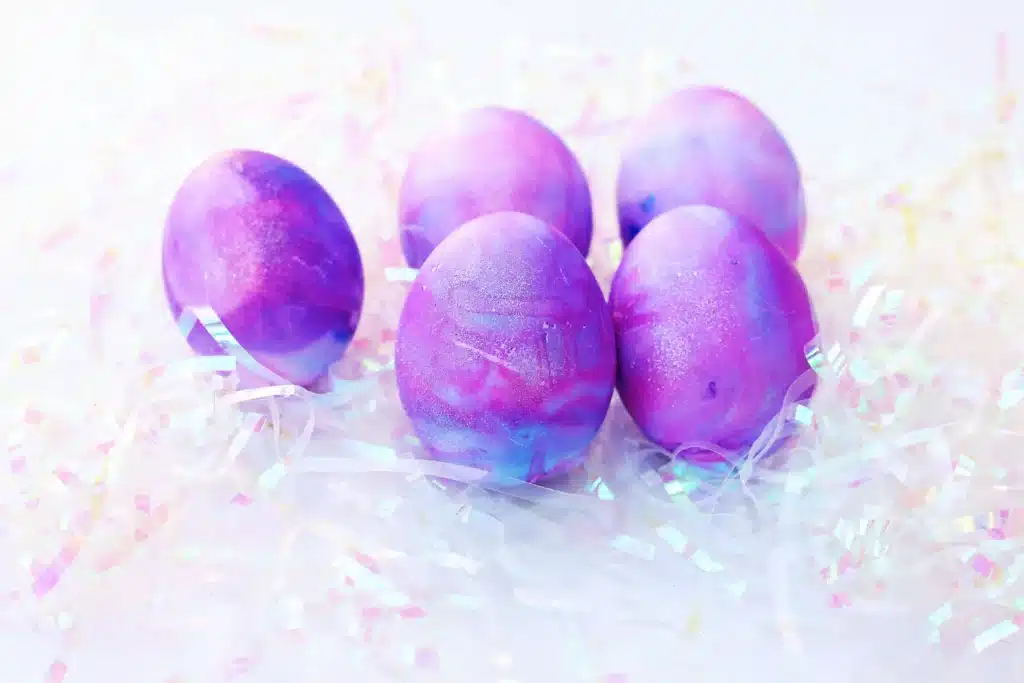
Instead of traditional dip-and-wait dye cups, this method uses a simple baking soda paste and vinegar reaction to double as a fizzy experiment for kids. The result looks like a painted night sky floating across each egg, complete with edible glitter for a stardust finish.
For an Easter table that needs a bold centerpiece or a classroom in need of a creative spring project, these galaxy eggs deliver a colorful, magical Easter science activity.
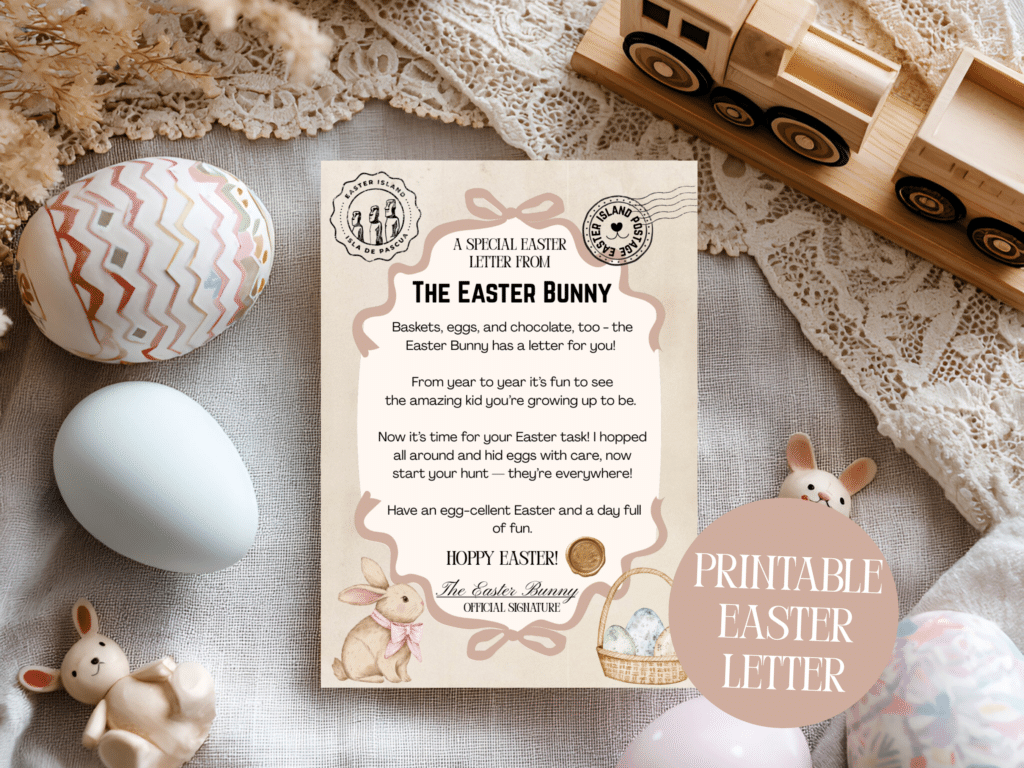
Make Easter memorable with this letter from the Easter Bunny! Pop it in your child’s Easter basket or put it in an envelope and “mail” it.
Why Galaxy Easter Eggs Are a Unique Easter Activity for Kids
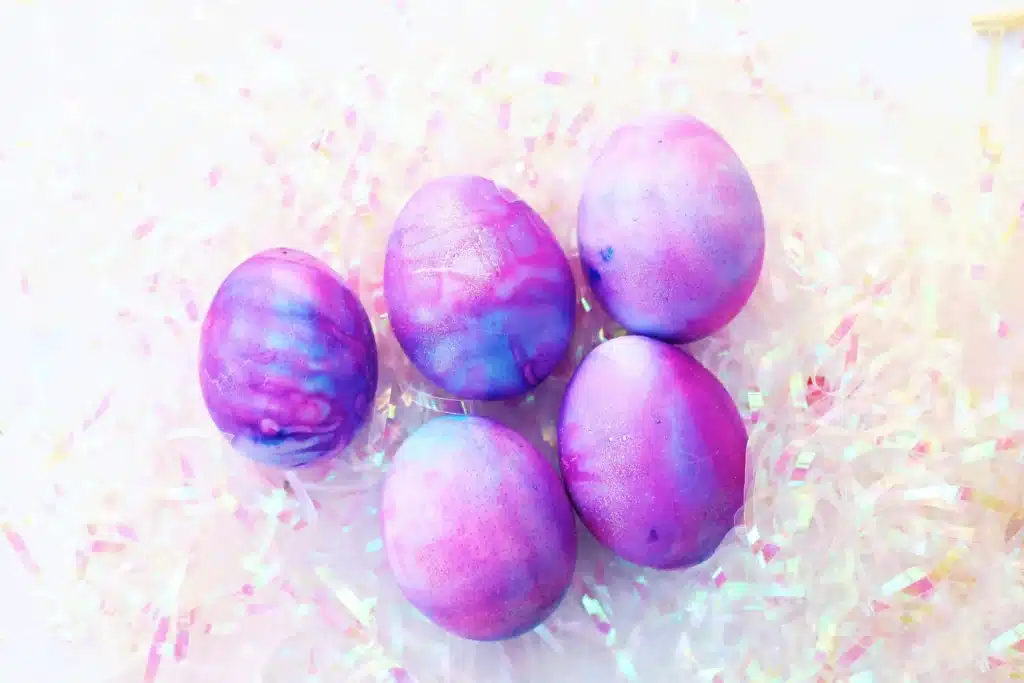
Many Easter egg decorating ideas fall back on tried and true methods, but sometimes DIY Easter eggs need to come in and shake things up a bit. These Galaxy eggs take a different path. The bubbling vinegar reacts with the baking soda, creating movement in the color itself. Instead of flat shades, the surface forms marbled waves and soft cosmic clouds.
The chemical reaction provides a fizzy experiment for kids, blending creativity with basic science. Children observe how liquids move, mix, and shift across a textured surface. It feels more like painting a planet than just coloring an egg.
The final result is dramatic and vibrant, perfect for display in baskets, centerpieces, or spring décor.
Supplies for Galaxy Easter Eggs
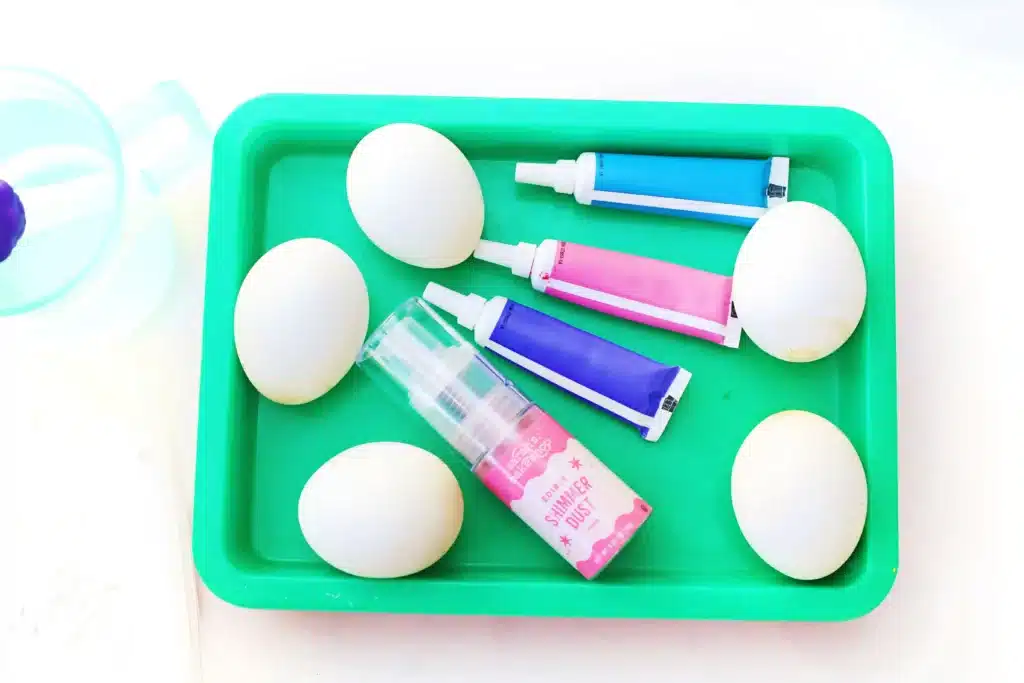
Gather these materials before starting:
- Hard-boiled eggs, cooled and dry or empty eggshells
- Baking soda
- Water
- Gel food coloring in purple, blue, and pink
- White vinegar
- Small bowl for mixing paste
- Spoon
- Tray or baking dish to contain mess
- Dropper or pipette
- Paper towels
- Edible glitter spray
Using gel food coloring creates deeper galaxy tones compared to liquid dye. The thicker pigment clings beautifully to the baking soda paste and intensifies during the fizzing reaction.
How to Make Galaxy Easter Eggs
Step 1: Prepare the Baking Soda Paste
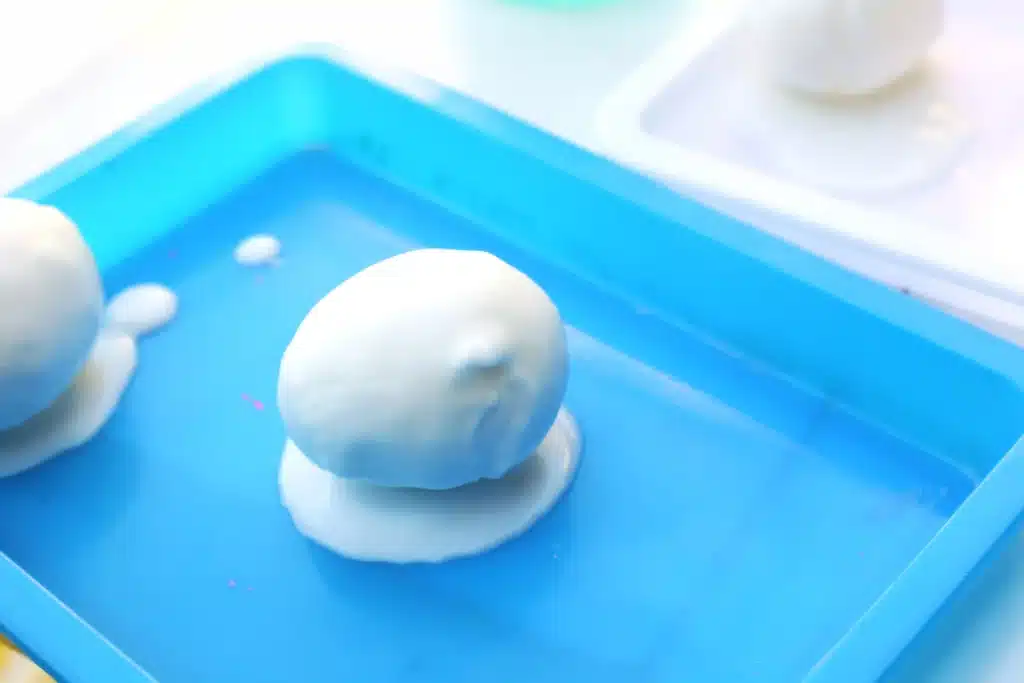
In a small bowl, mix baking soda with a small amount of water. Stir until a thick paste forms. The consistency should resemble frosting, thick enough to coat the egg without dripping. If it won’t stay on the egg, add more baking soda, a little at a time. If it won’t spoon over or is too clumpy, stir in water a little at a time.
This paste creates texture and holds the color in place during the reaction.
Step 2: Coat the Boiled Eggs
Spoon the baking soda paste over each boiled egg, covering the shell completely. Pat to coat if necessary. Place the coated eggs onto a tray or baking dish to catch overflow from the upcoming reaction.
The rough coating helps create those dramatic swirls once vinegar is introduced.
Step 3: Add Galaxy Colors
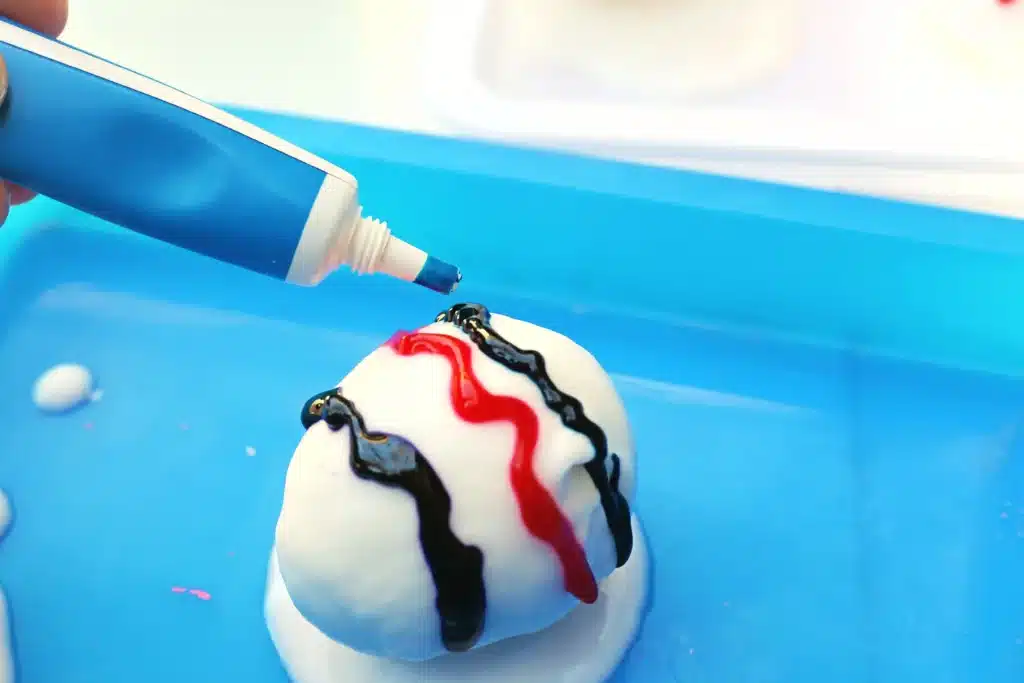
Squirt gel food coloring directly onto the paste-covered egg. Focus on purple, blue, and pink for a galaxy palette.
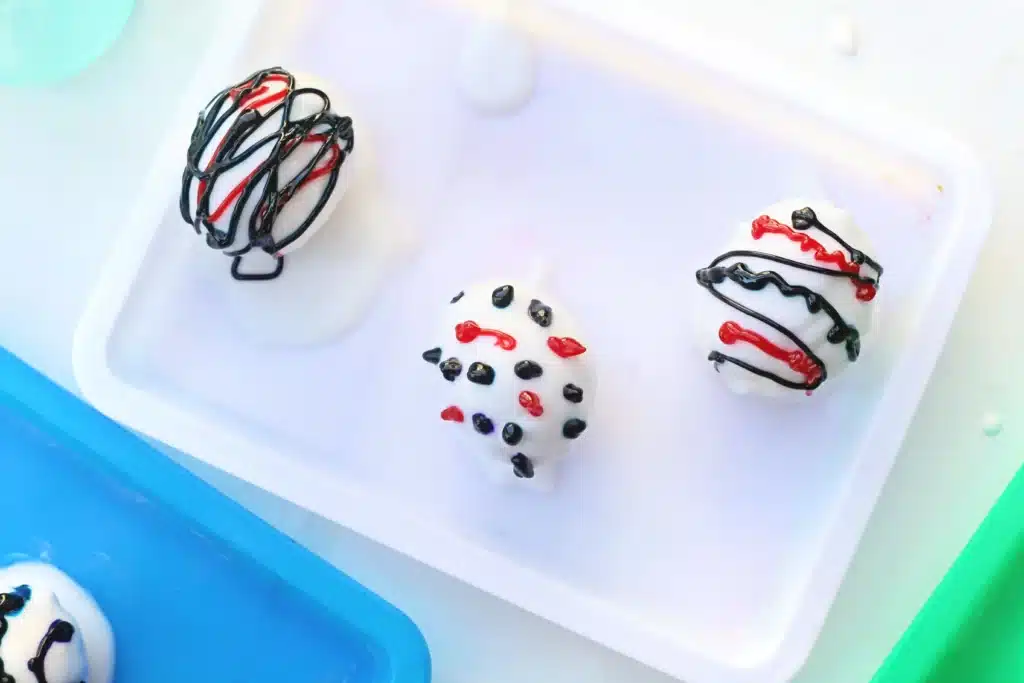
The eggs do not need to be coated in color. They will spread naturally, and spacing the colors allows room for them to blend during the fizzing stage.
Step 4: Begin the Fizzy Experiment
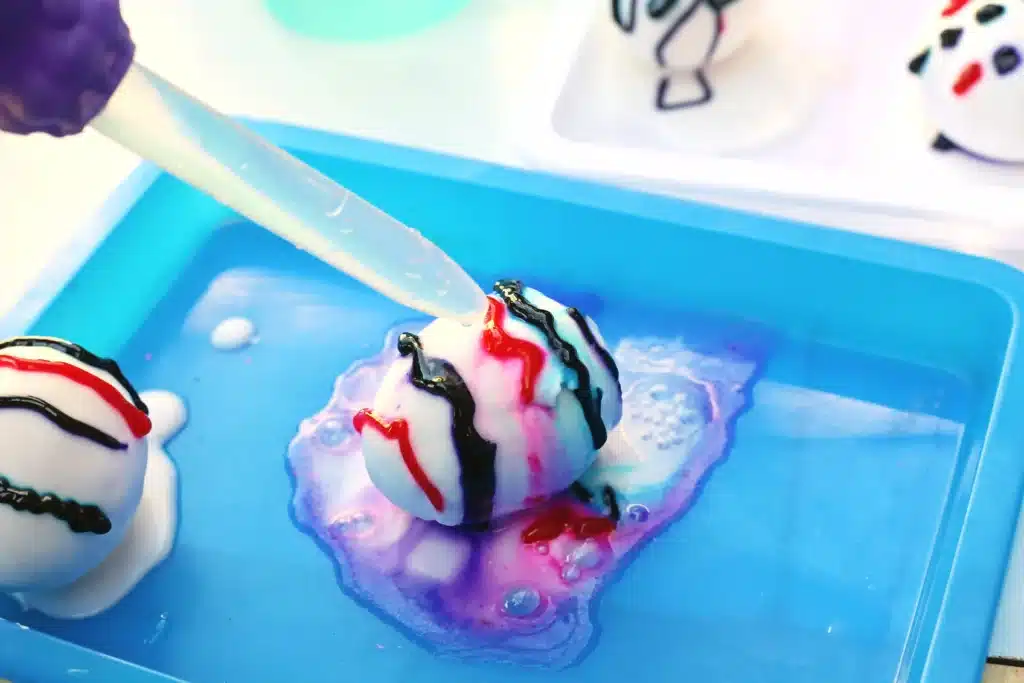
Using a dropper, slowly add vinegar onto the egg. The reaction begins immediately, bubbling and transferring the color onto the surface.
Continue adding vinegar in small amounts. Rotate the egg gently within the tray so the reaction reaches all sides. The colors will blend organically, creating soft marbled Easter eggs that resemble distant nebulae.
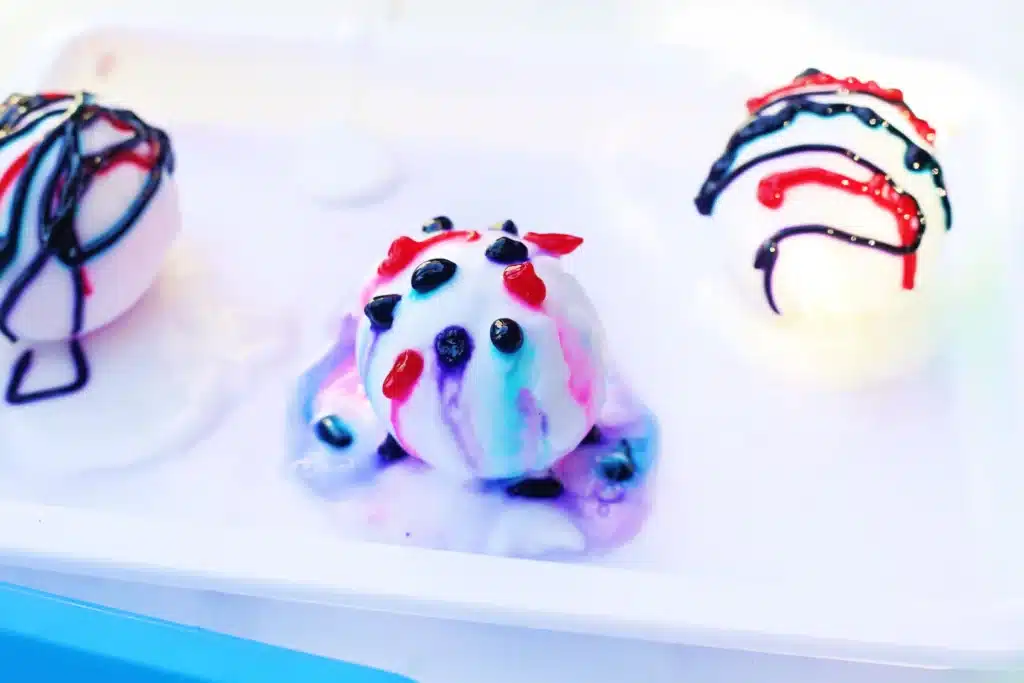
Taking time during this stage enhances the galaxy effect. Rushing may result in uneven coverage. If the egg is sitting on a cushion of baking soda, and the bottom stays white, just place it in the colored runoff. This will ensure the whole egg is a lovely galaxy hue.
Step 5: Allow the Eggs to Dry
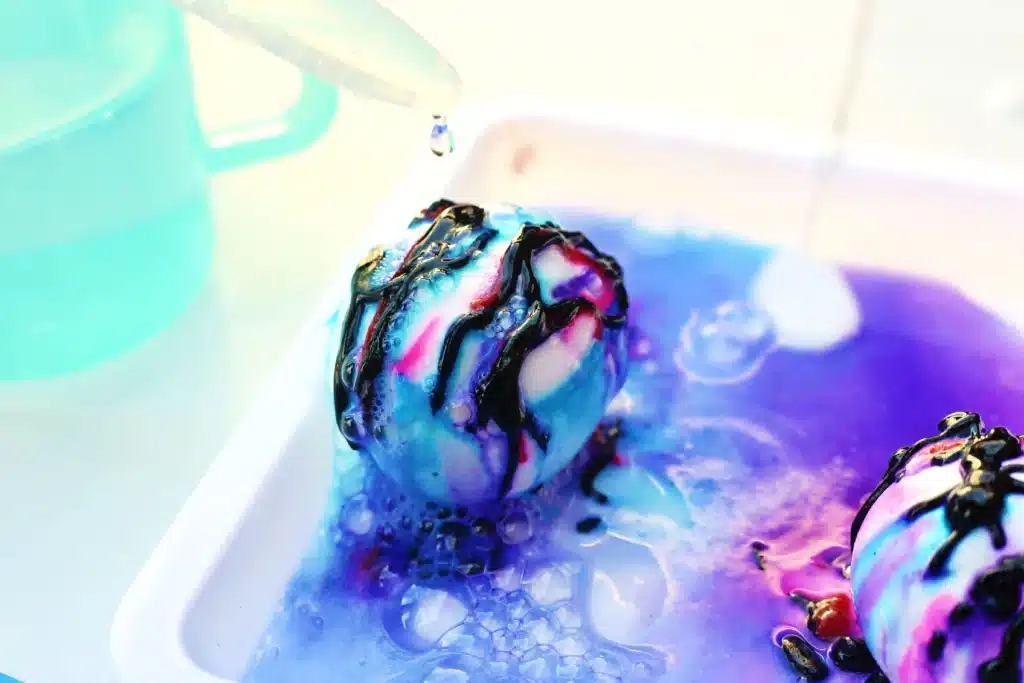
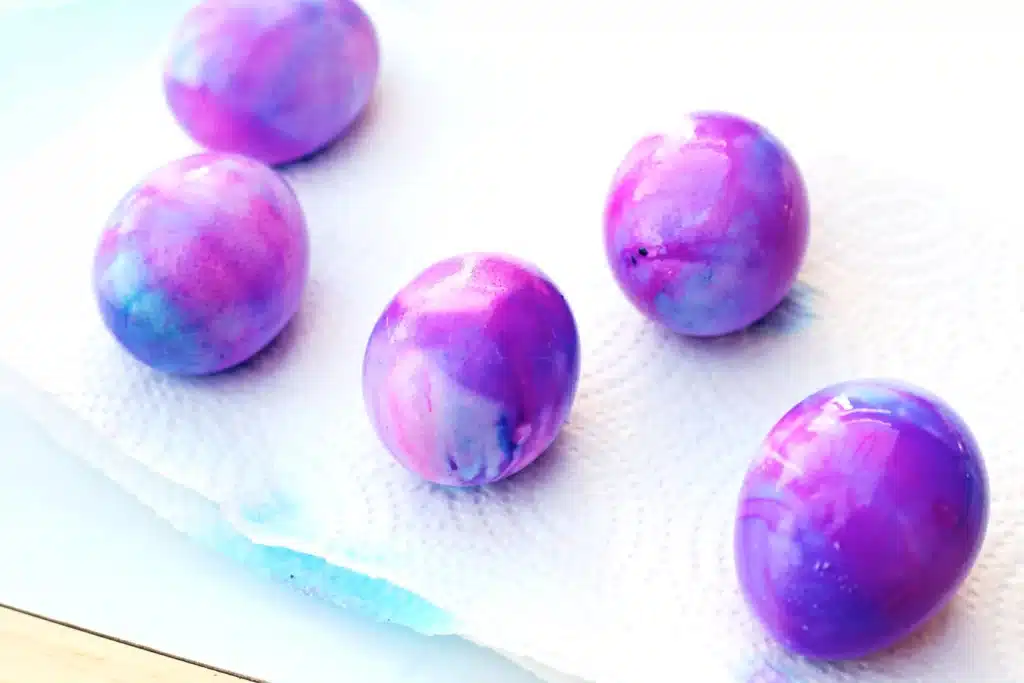
Once the eggs are covered in swathes of color, carefully remove them from the tray. Place them on paper towels and allow them to dry completely.
Air drying allows the pigment to settle and deepen.
Step 6: Add Edible Glitter for a Starry Finish
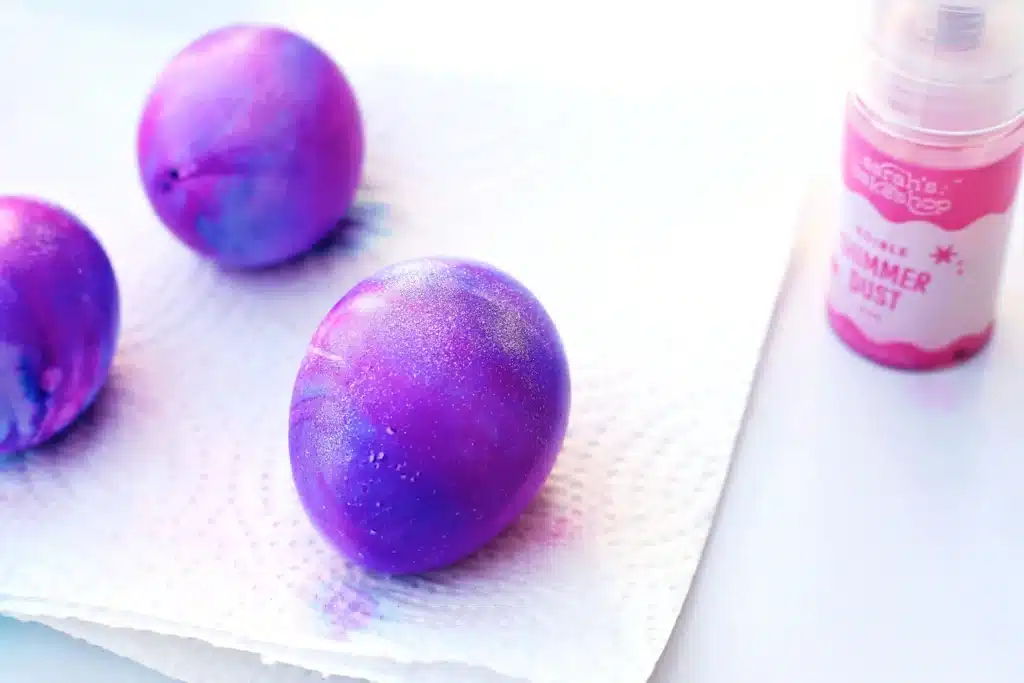
Once dry, lightly spray the eggs with edible glitter. The shimmer catches the light and adds a final cosmic detail. The glitter creates a subtle starfield effect across the marbled Easter eggs’ shell.
If using these as a decor item, it’s better to poke small holes in the top and bottom of the shell and blow the eggs out, leaving the empty shell behind. This way there’s no worry about leaving eggs out of the refrigerator.
Benefits of This Fizzy Easter Experiment for Kids
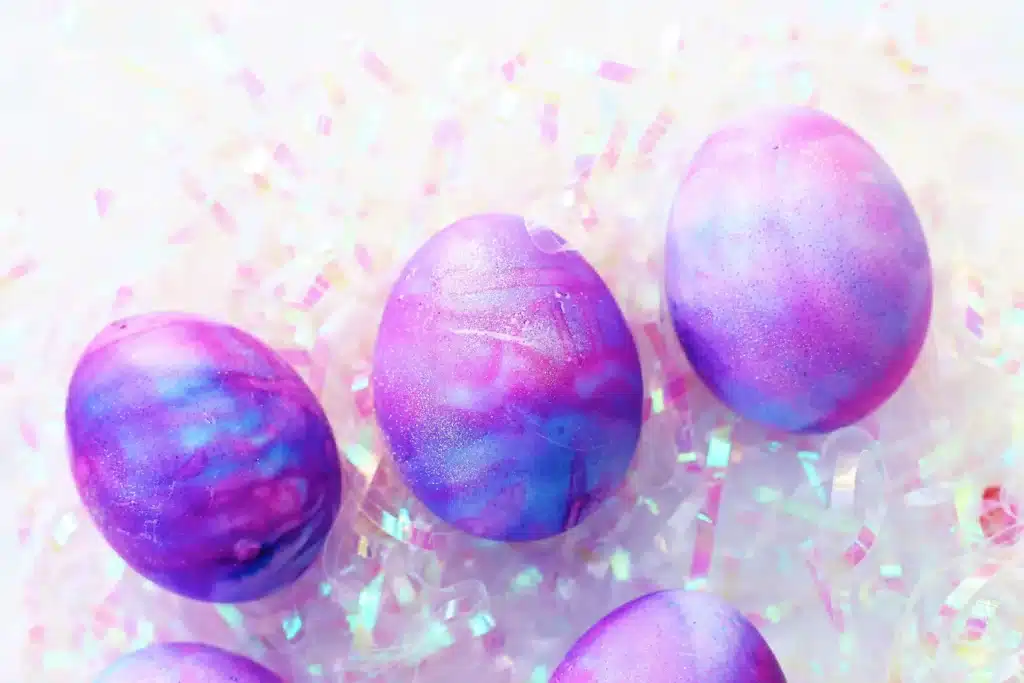
Galaxy Easter eggs offer more than beautiful results. This Easter activity for kids provides several developmental benefits:
Encourages Scientific Curiosity
The baking soda and vinegar reaction introduces a simple acid-base experiment. Children observe cause and effect as bubbles form and colors blend and swirl.
Strengthens Fine Motor Skills
Using droppers helps build finger control and coordination. Rotating eggs gently also supports careful movement and control.
Promotes Creative Expression
Each egg forms unique patterns. No two designs look alike, encouraging experimentation with color placement and layering.
Supports Sensory Exploration
The bubbling texture, vibrant color, and sparkling finish provide visual and tactile engagement.
Builds Patience and Observation Skills
Moving slowly while adding the vinegar teaches children to observe as changes unfold. The gradual blending enhances appreciation for process over speed.
Tips for the Best Galaxy Effect
- Use gel food coloring for richer saturation.
- Apply vinegar gradually rather than pouring.
- Rotate eggs slowly inside the tray to prevent streaking.
- Allow complete drying before adding glitter.
- Experiment with darker purple tones for deeper space vibes.
For younger children, supervision during the vinegar stage helps manage overflow.
Unique and Fun Easter Egg Decorating Idea
Galaxy Easter eggs merge creativity with science in a way that is fresh and imaginative. The fizzy reaction transforms a simple eggshell into a swirling night sky filled with color and sparkle.
This Easter activity for kids encourages exploration, patience, and artistic freedom while delivering a bold visual payoff. Baking soda, vinegar, and a few drops of gel color can turn an ordinary egg into a miniature universe ready for display.
More Easter Fun!
- The Best Easter Sensory Play Ideas For Kids
 From sensory bins to playdough trays, these Easter sensory play ideas will encourage curiosity, build fine motor skills, and increase imaginative play.
 - How To Make An Easter Playdough TrayThis Easter playdough tray combines sensory play with learning and creativity. This Easter sensory activity builds motor skills and explores sensory inputs.
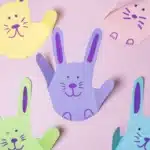
- The Best Bunny Crafts For KidsThese bunny crafts for kids are the perfect Easter crafts! From moving bunnies to handprint bunnies, this list has all the best crafts!
- How To Make A Paper Bag Bunny Basket CraftThis budget-friendly paper bag bunny basket craft is an easy Easter craft for kids. Using simple supplies, kids will turn a paper bag into a cute Easter basket.
- How To Make A Bunny Handprint CraftThis bunny handprint craft transforms a simple handprint into a keepsake craft. Using simple supplies, parents and kids will love this easy Easter craft!
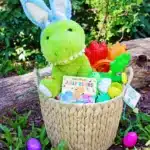
- How To Make A Dinosaur Easter Basket for KidsBuild a dinosaur Easter basket with a DIY dinosaur Easter egg, plush dino, themed toys, a book, and a printable Easter tag for a creative prehistoric surprise.
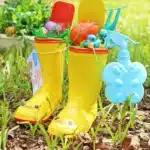
- How To Make A Rain Boots Easter Basket For KidsBright rain boots turn into a creative Easter basket for kids filled with toy garden tools, treats, DIY seed bombs, and a free printable Easter tag.
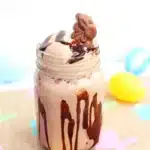
- How To Make A Chocolate Bunny Milkshake For EasterA chocolate bunny milkshake is a sweet celebration in a glass. This creamy chocolate treat topped with a candy bunny is a fun Easter recipe kids will love.
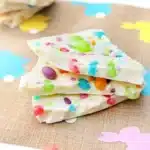
- Jelly Bean Bark: An Easy Easter Treat for KidsJelly bean bark is a simple Easter treat for kids made with melted chocolate, jelly beans, and sprinkles. This easy no-bake Easter recipe is colorful and fun.
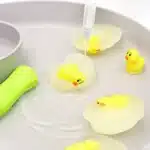
- The Best Frozen Chick Rescue ActivityChildren melt yellow ice to rescue hidden toy chicks in this spring sensory play idea that blends hands-on science, fine motor skills, and discovery.
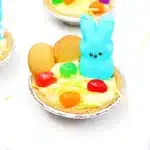
- How To Make Peeps Banana Pudding Mini PiesKids can help create adorable Peeps banana pudding mini pies with marshmallow bunnies. This easy Easter dessert for kids turns decorating into fun.
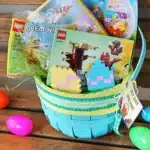
- How to Make a LEGO Easter Basket (Free Printable Tag)Build an unforgettable LEGO Easter basket with LEGO Easter sets, DIY LEGO Easter eggs, and a printable Easter tag. A creative idea for kids who love building.






Leave a Reply