
The Best Valentine’s Day Crafts: ladybug Valentines Box
January 30, 2026

Valentine’s Day activities don’t have to live only in the world of hearts and candy. One of my favorite ways to keep February learning feeling meaningful (and manageable) is by blending holiday fun with real content areas, especially science. This Ladybug Valentines Box does exactly that. It’s festive, hands-on, and adorable, but it also opens the door to early science concepts like insects, body parts, life cycles, and observation skills.
This post contains affiliate links. I earn a small commission if you choose to purchase, at no extra cost to you!
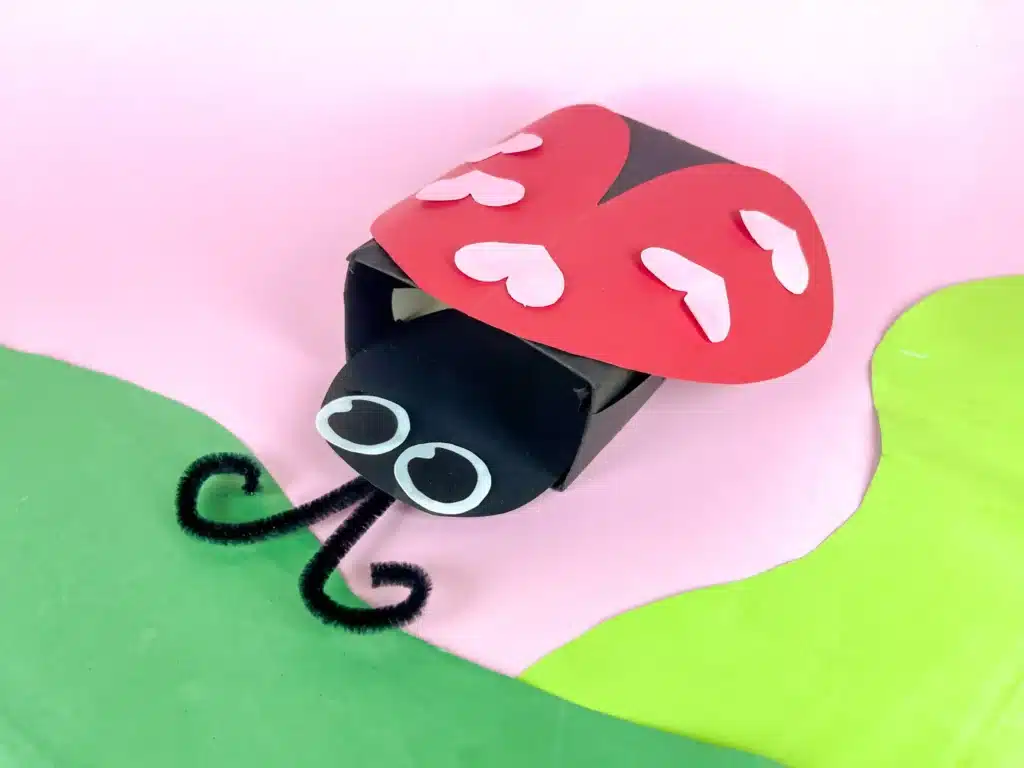
Ladybugs are such a natural bridge between Valentine’s Day and science. They’re bright red, covered in spots, and already shaped like tiny hearts. Kids love them, which means engagement is built in before you even pull out the supplies. This craft gives students a chance to explore insects in a developmentally appropriate way while still participating in a Valentine exchange.
From a practical standpoint, this is also one of those projects that feels doable. It uses a recycled box, construction paper, glue, scissors, and a marker. The fuzzy wire antenna adds a sensory element kids really enjoy, and the finished box is sturdy enough to survive being passed around, filled with cards, and carried home.
Supplies To Make The Ladybug Valentines Box
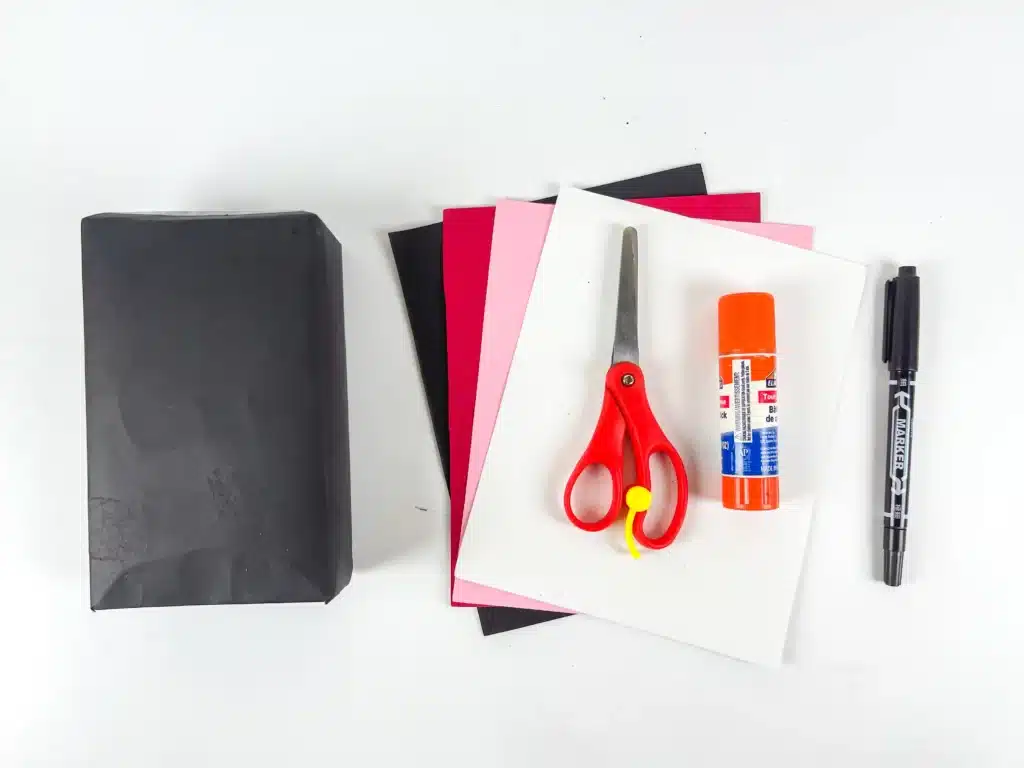
To get started, gather black, red, white, and pink construction paper, a recycled box, glue, scissors, a marker, and two pieces of black fuzzy wire for the antenna. Templates for the wings, head, and facial features help keep things consistent, especially in a classroom setting.
Step-by-step instructions to assemble your ladybug valentine’s box
1. Begin by wrapping the recycled box completely in black construction paper. Smooth the paper as you go so it stays flat. Once wrapped, cut a rectangle-shaped hole near the front of the box. This opening will be where Valentines are inserted, so make sure it’s large enough for cards but not so big that it weakens the box.
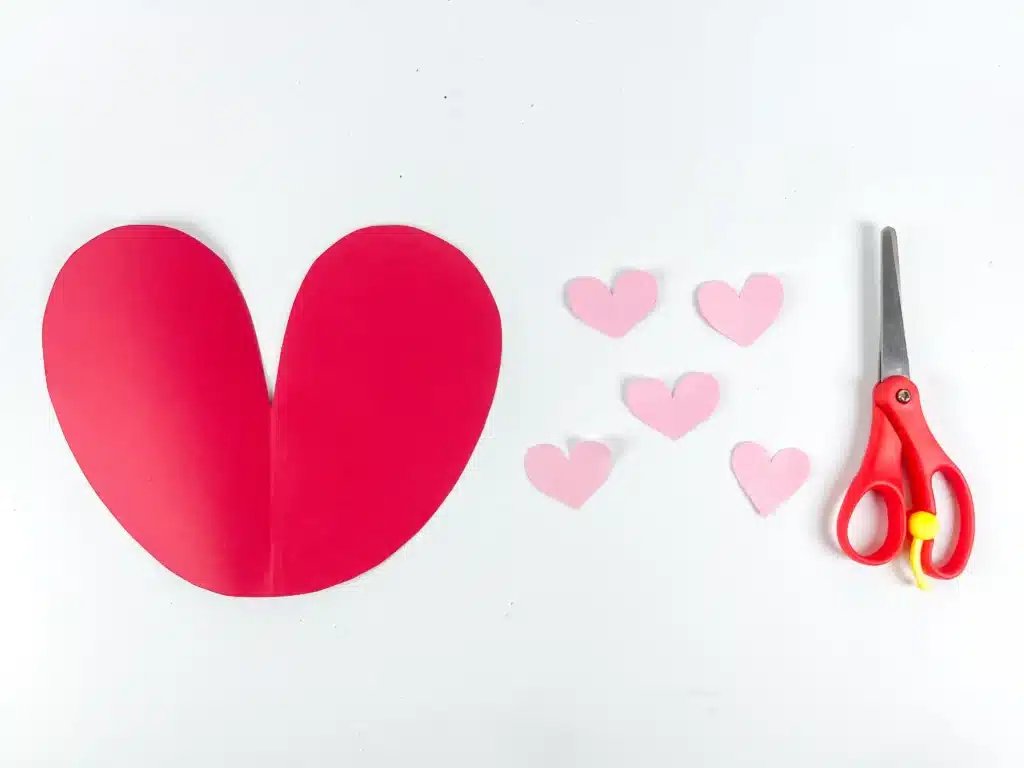
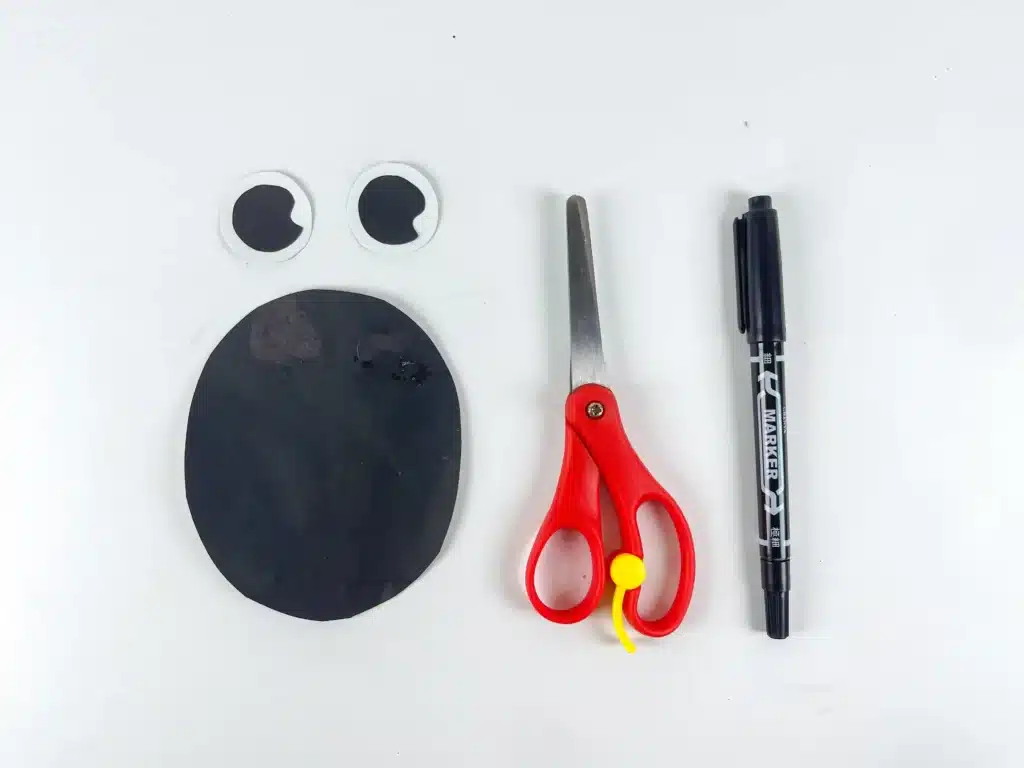
2. Cut and trace the templates onto their corresponding construction paper colors. You’ll need pieces for the red wings, white heart spots, head, and facial details. Carefully cut each piece out and set them aside.
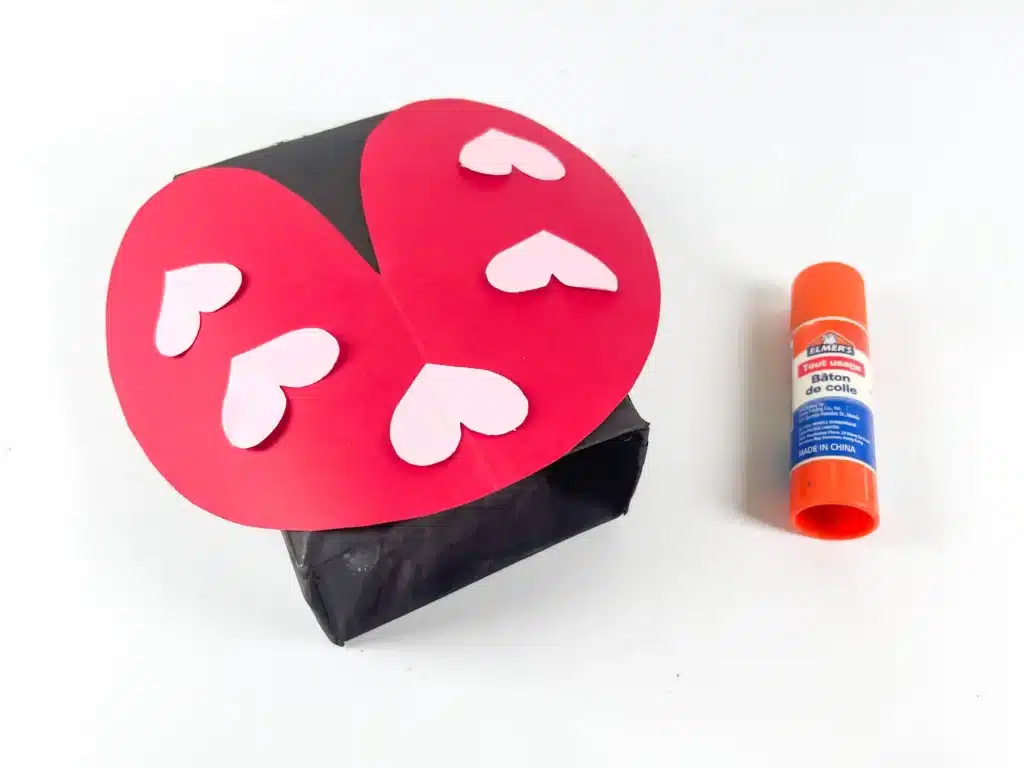
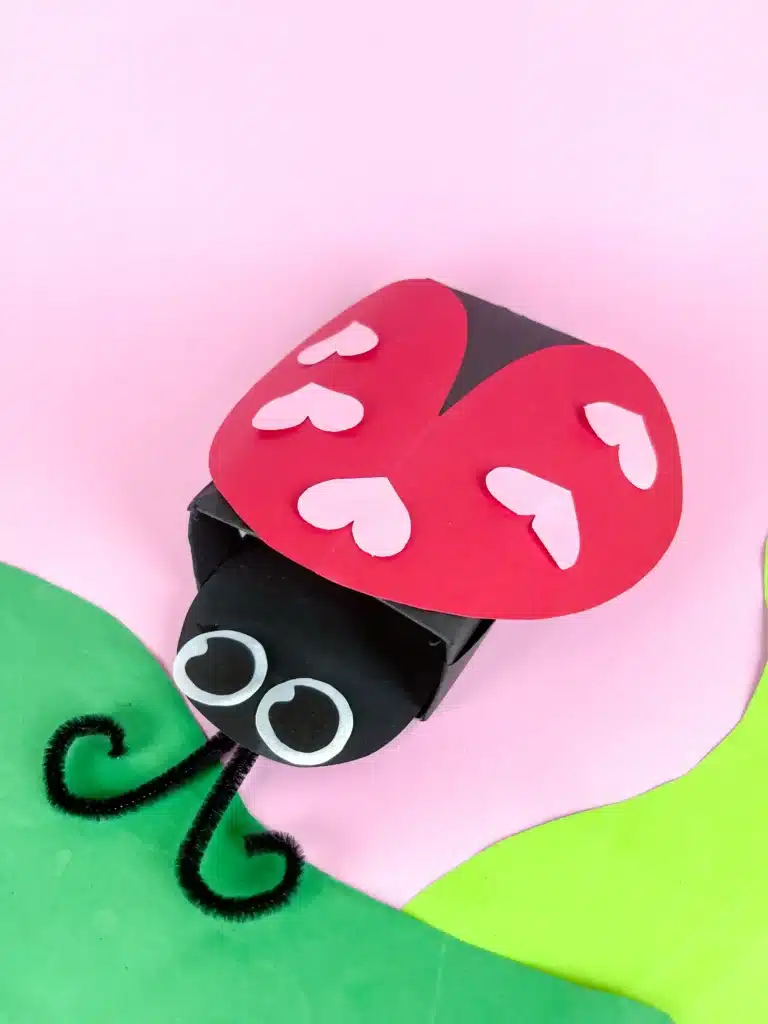
3. Assemble the templates one piece at a time. Start by attaching the white heart shapes to the red wings. This is a great moment to talk about patterns, symmetry, and counting, but it’s also okay if the hearts aren’t perfectly placed. Part of the charm of this craft is that every ladybug looks a little different.
4. Attach the wings to the top of the box so they open outward. This gives the ladybug its recognizable shape and adds a fun 3D element that kids love.
5. Attach the head to the front of the box, just below the wings. Add the eyes and any facial details using paper or a marker. Encourage kids to give their ladybug a personality. Some will look surprised, some sleepy, and some extra silly.
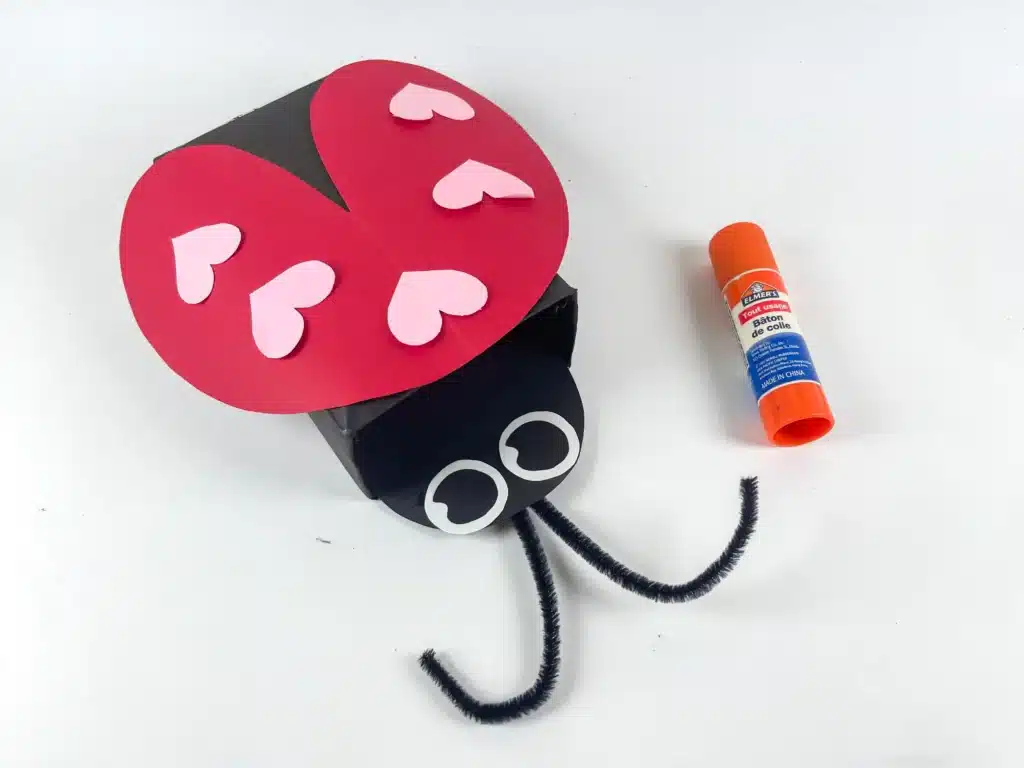
6. Attach the fuzzy wire antenna to the top of the head. Gently curve the ends to give them movement. This step is always a favorite and adds a tactile element that supports sensory development.
Allow the box to dry completely before using it for Valentine exchanges.
Why Teachers and Parents Are Loving This Valentine’s Day Craft
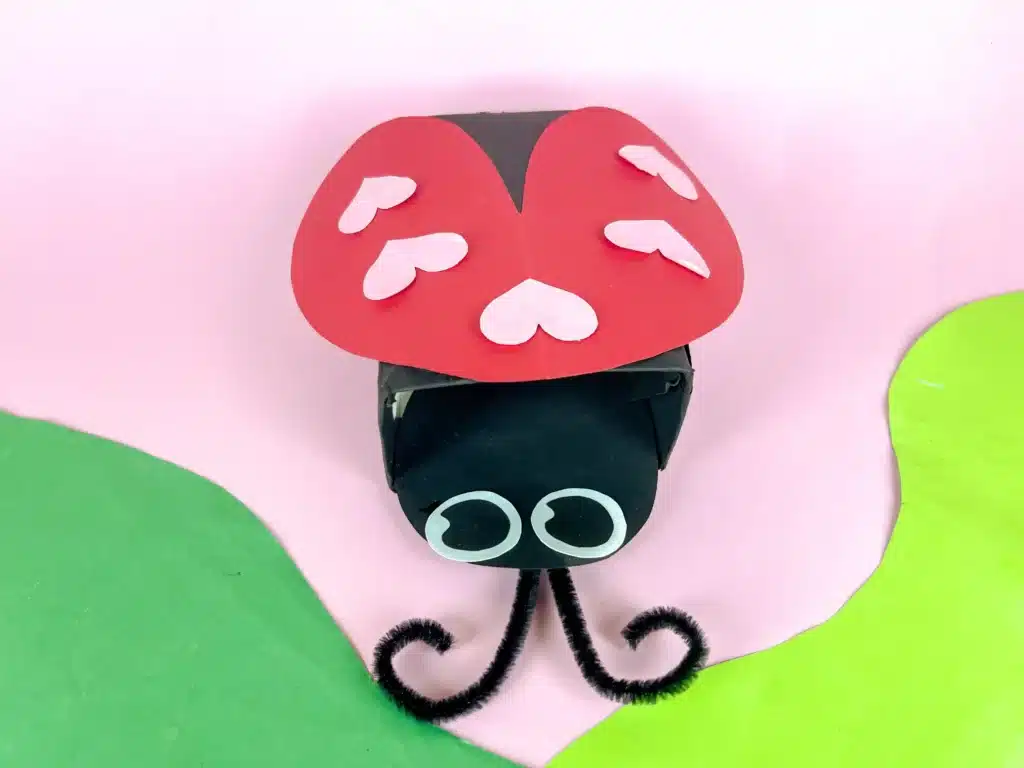
What makes this craft especially valuable is how naturally it aligns with early science standards. Young learners are beginning to understand that insects have specific body parts and characteristics. As children assemble the ladybug, they’re identifying the head, wings, antennae, and body. These conversations build foundational biology knowledge without feeling heavy or academic.
This craft also supports observation skills. Before starting, you can show photos of real ladybugs and ask students what they notice. How many wings do they have? What color are they? Do all ladybugs look the same? These simple questions encourage scientific thinking and curiosity.
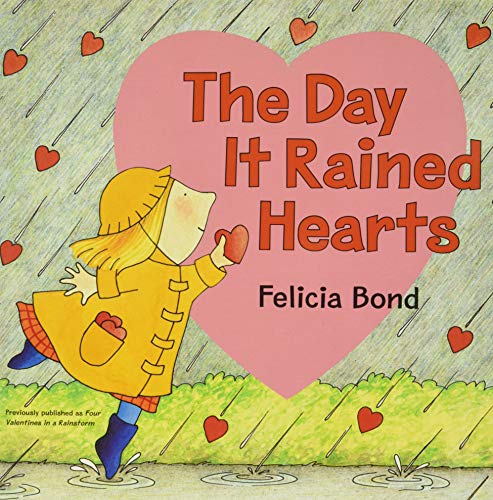
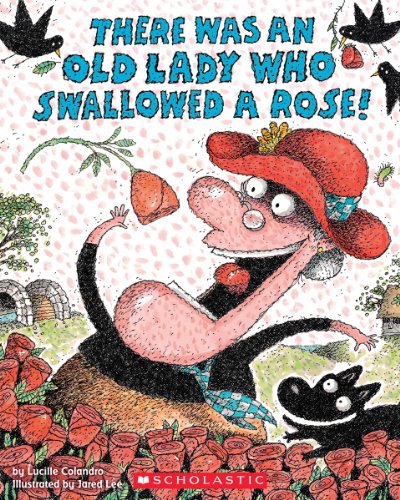
There are some wonderful picture books that pair beautifully with this activity. The Grouchy Ladybug by Eric Carle is a classic choice and opens the door to conversations about behavior and kindness. Are You a Ladybug? by Judy Allen is excellent for introducing insect facts in a kid-friendly way. For a Valentine-specific option, Love, Ruby Valentine by Laurie Friedman ties kindness and friendship into the theme nicely. Or pair it with one of these popular Valentine’s Day books:




In a classroom setting, this craft works well spread over multiple days. One day can focus on reading and discussion, another on wrapping the box and cutting templates, and a final day on assembly. Breaking it up helps with attention and reduces overwhelm during an already busy holiday week.
For homeschool families, this project easily becomes a mini unit. Read a ladybug book, watch a short nature video, go on a backyard bug hunt (weather permitting), and then create the Valentine box. Learning feels cohesive and purposeful, not rushed.
Fine motor development is another huge benefit. Cutting heart shapes, placing small pieces, and twisting fuzzy wire antennae all strengthen hand muscles and coordination. These skills directly support handwriting and everyday classroom tasks.
Following directions and completing a multi-step project also builds executive functioning skills. Valentine’s Day excitement can make focus tricky, and having a clear sequence to follow helps children practice patience and perseverance.
I also love how this project encourages creativity within structure. Kids are given clear steps, but there’s still room for choice. Heart placement, facial expressions, and antenna shapes all vary, and those small differences matter to kids.
Once Valentine’s Day is over, the box doesn’t have to be tossed aside. It can become a keepsake box, a bug collection container (for pretend play), or a place to store notes and small treasures. Giving crafts a second life reinforces sustainability and respect for materials.
A cute and educational Valentine’s Day craft
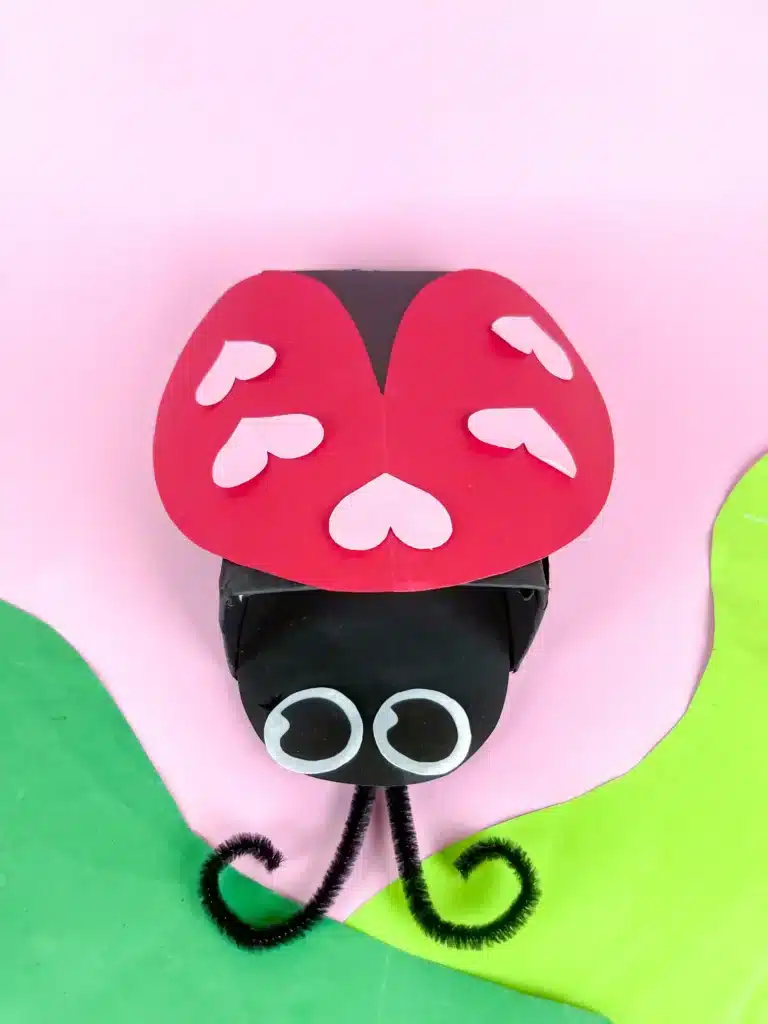
This Ladybug Valentine Box proves that holiday crafts can be more than just cute. They can support science learning, fine motor development, and social-emotional growth all at once. It’s playful, practical, and meaningful — exactly the kind of activity that works in real classrooms and real homes.
February doesn’t have to be about choosing between fun and learning. With thoughtful projects like this one, kids get both — and that’s always a win.
Get your free ladybug valentines box template now
More Valentine’s Day Fun!
- The BEST DIY Valentine’s Day Craft: monster valentine box
 Make this monster valentine box that is one of the most unforgettable Valentine box ideas! This monster craft is so cute & will be the talk of the school!
 - The Best Valentine’s Day Craft Idea: Bear Valentine BoxMake this adorable Valentine’s Day craft for your classroom Valentines exchange! This bear valentine craft is one of the best valentine box ideas!
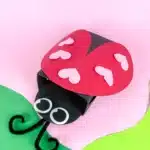
- The Best Valentine’s Day Crafts: ladybug Valentines BoxMake the cutest ladybug valentines box using a recycled box, pipe cleaners, and construction paper. This Valentine’s Day craft is perfect for classroom valentine exchanges.
- The Best Valentine’s Day Box Idea: panda valentines boxCreate a DIY panda Valentines box for a fun and easy classroom exchange. Kids will love making and using this adorable panda Valentine’s Day craft!
- The Best Valentine’s Day Box IDea: Butterfly Valentines boxThis butterfly Valentines box is an easy kids craft for classroom Valentine exchanges, school parties, and Valentine’s Day activities.
- The Best Valentines Box Idea: Bunny Valentines boxThis bunny valentines box is a fun and easy craft for kids and is the perfect addition to Valentine’s Day classroom exchanges and school parties.
- The Best Valentine’s Day Craft: Bee Valentines BoxThis bee Valentines box is a fun and easy Valentine’s Day craft for kids, perfect for Valentine’s Day classroom exchanges and school parties.
- The Best Valentine’s Day Craft: sloth Valentine boxMake a sloth Valentine box for kids with this easy Valentine’s Day craft using materials you already own that is perfect for classroom valentines exchanges.
- The Best Hippo Valentine Box: A Fun Valentine’s Day CraftMake a hippo Valentine box for kids with this easy Valentine’s Day craft, great for classroom exchanges.
- The Best Valentines Resources for First Grade and KindergartenFind the best math and literacy Valentine’s Day resources for kindergarten and first grade, perfect for classroom activities and centers.
- The Best Valentine’s Day Craft For Kids: Cat Valentine BoxThis cat Valentine box is a fun and easy craft for kids, perfect for Valentine’s Day classroom exchanges and school parties.
- The Best Valentine’s Day Craft for kids: Penguin Valentine boxThis penguin Valentine box is a fun and easy craft for kids, perfect for Valentine’s Day classroom exchanges and school parties.




Leave a Reply