

Valentine Sheep: The Best Valentine’s Day Craft For Kids
December 15, 2025

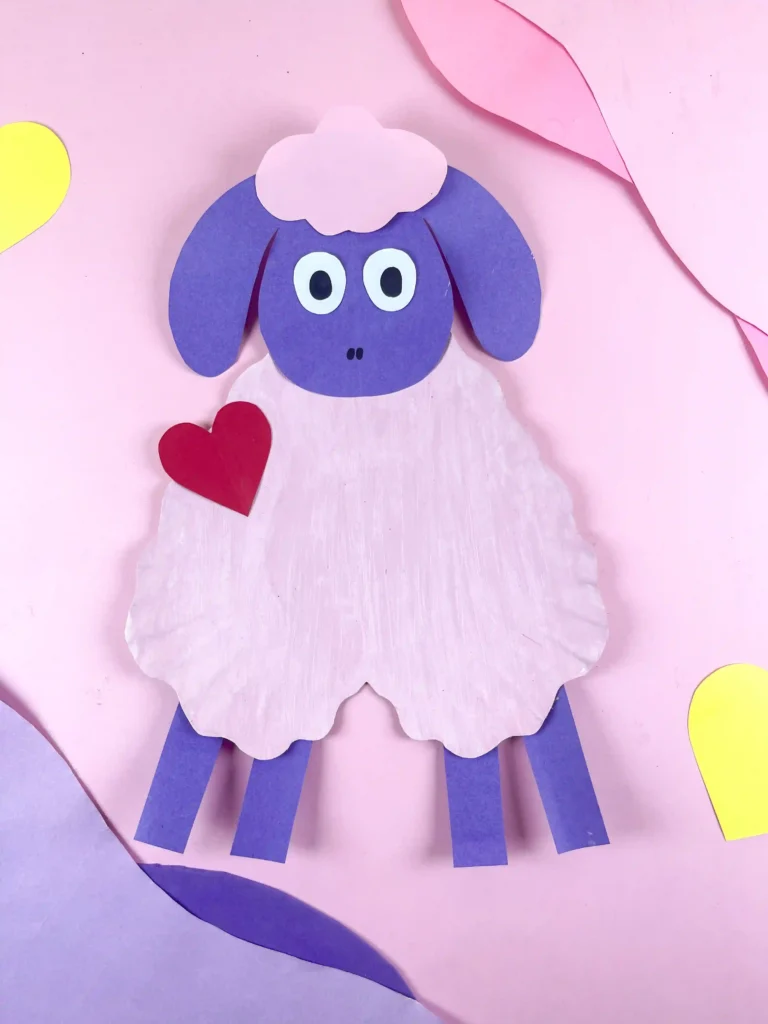
The Sheep Valentine’s Day craft is one of those projects that instantly feels sweet, calm, and classroom-friendly. It’s simple enough for young learners, but still thoughtful and meaningful, making it a great fit for February when students are full of energy and excitement. Using a paper plate turned into a heart-shaped body gives this craft a clear Valentine connection without being over-the-top, and the finished sheep always comes out looking charming and unique.
This post contains Amazon affiliate links. I earn a small commission if you choose to purchase, at no extra cost to you! Thanks for your support!
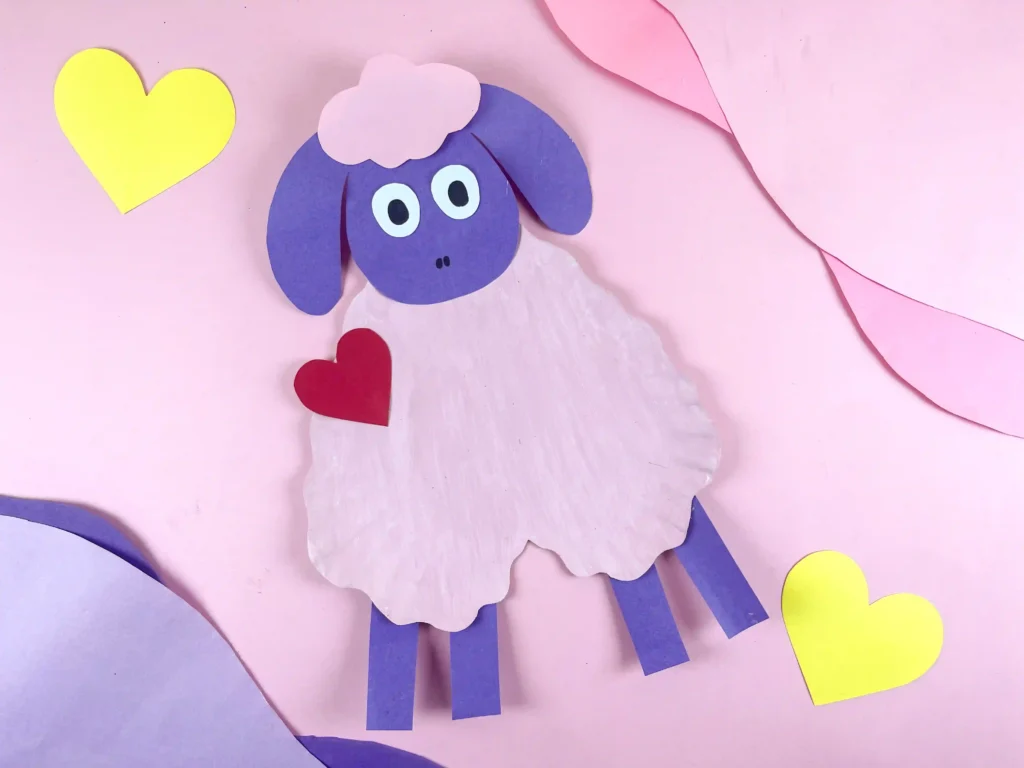
This activity works especially well in preschool, kindergarten, and first grade because it balances creativity with structure. Students follow clear steps, practice fine motor skills, and end with a project they feel proud to take home or display. The free templates for the head and legs make it accessible for a wide range of learners, including those who may still be developing cutting confidence.
What You’ll Need To Make This Valentine’s Day craft
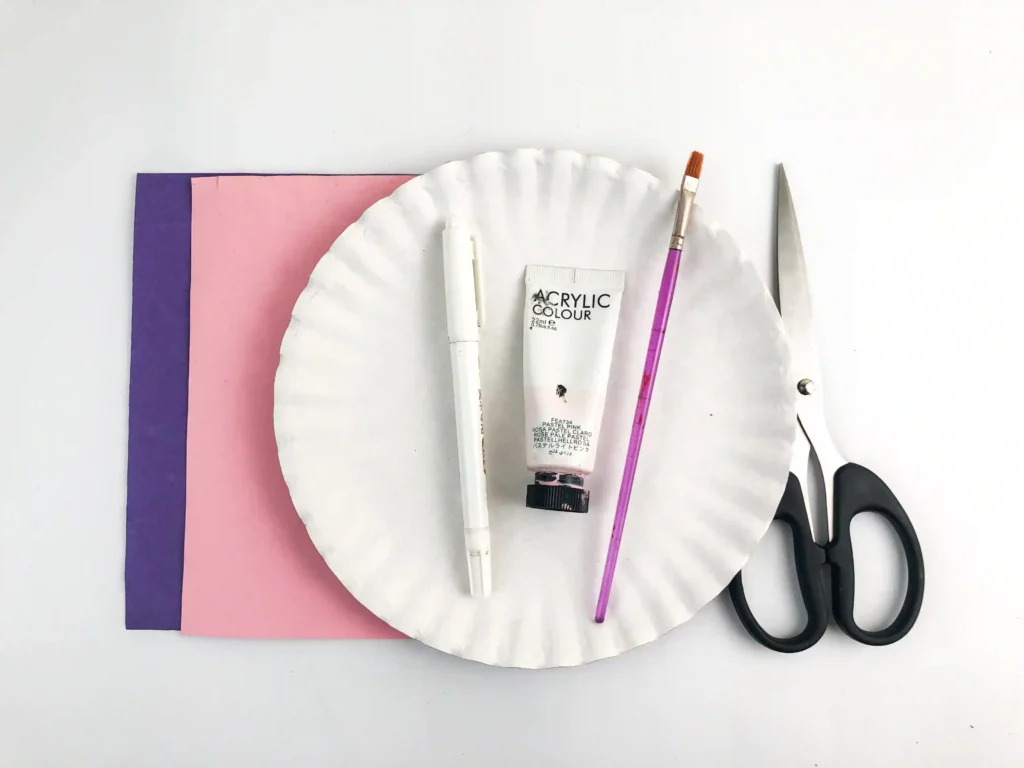
●Paper plate
● Pink paint
● Paint brush
● Construction paper (red, purple, and pink)
● Scissors
● Glue
● Black Marker
How To Make The Valentine Sheep
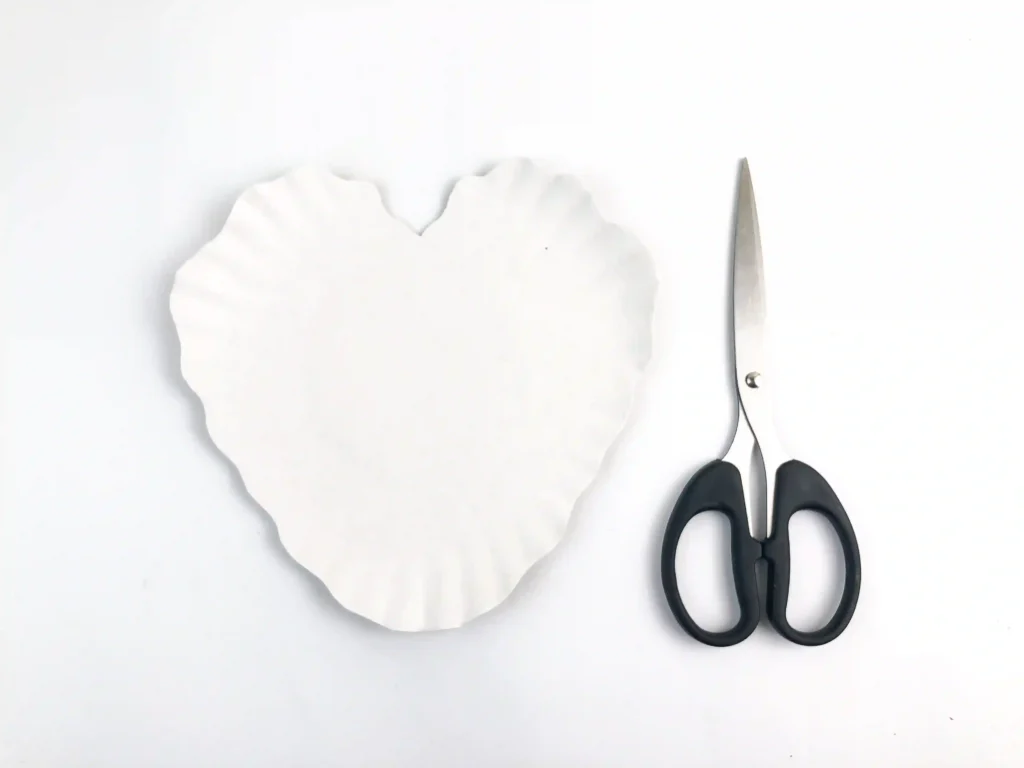
The process starts by cutting a paper plate into a heart shape. This step alone is excellent for hand strength and scissor control, especially when children are guided to follow the curve of the plate. Painting the heart pink adds another layer of sensory and motor practice. Using a paintbrush encourages controlled movements and helps students practice staying within boundaries, a skill that transfers directly to writing and coloring tasks.
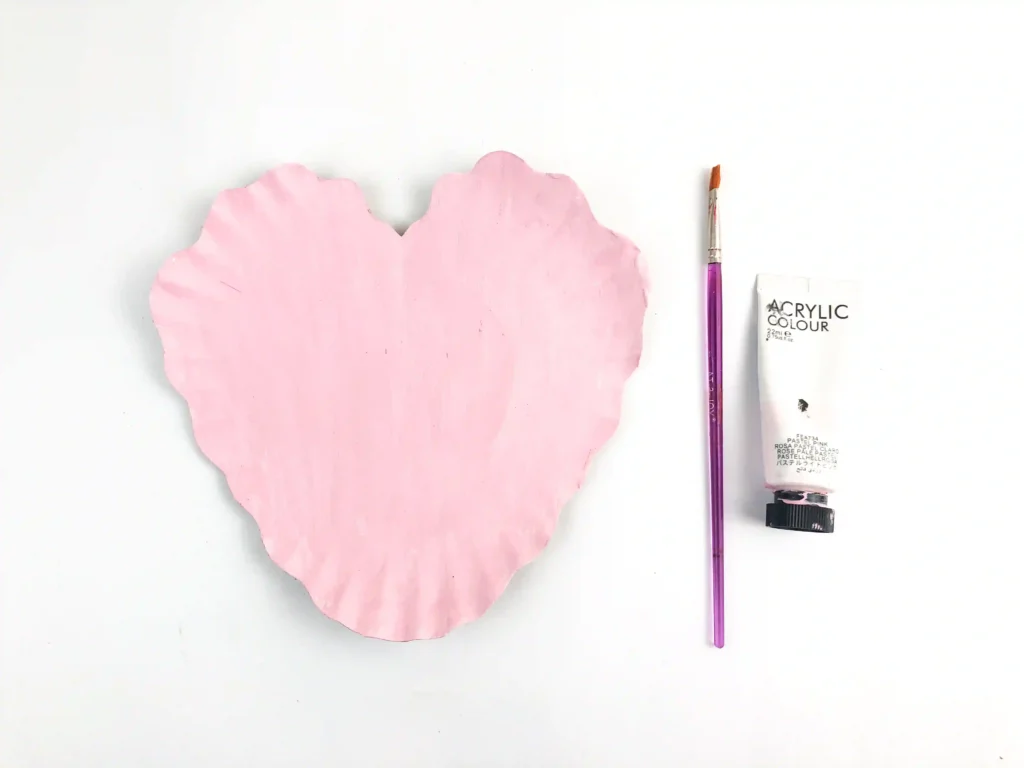
Once the paint is dry, students move into cutting and tracing the templates. Tracing helps reinforce visual-motor integration, while cutting supports bilateral coordination and grip strength. As students assemble the sheep piece by piece, they’re practicing sequencing and task completion. Knowing what comes next and staying focused until the project is finished are important executive functioning skills that develop with repeated experiences like this.
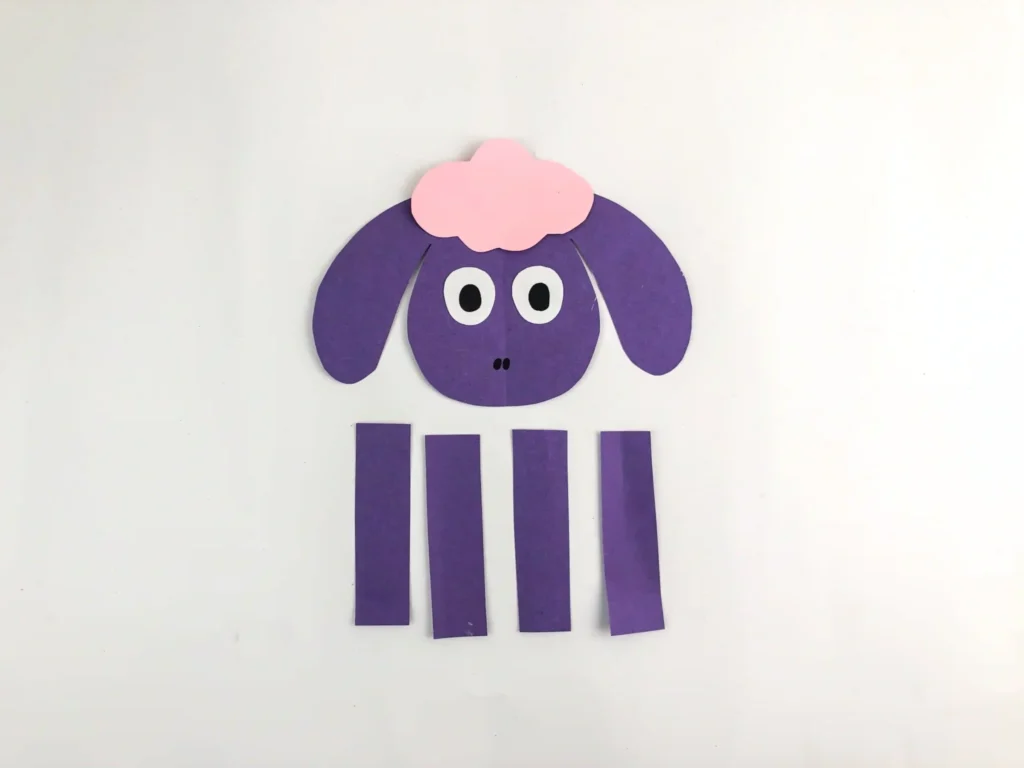
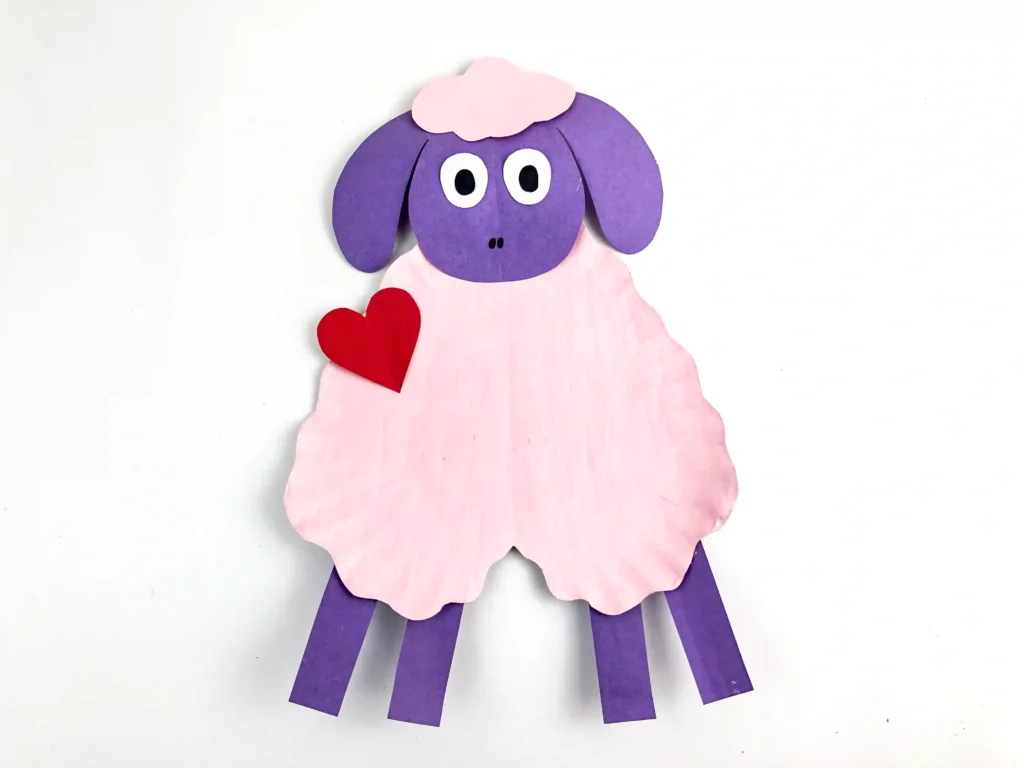
Assembling the sheep also gives students a chance to problem-solve. Figuring out where the head goes, lining up the legs evenly, and placing the heart detail just below the head requires spatial awareness and attention to detail. These small decisions encourage independence and confidence, especially when students are allowed to make minor creative choices within the structure of the craft.
Why parents and Teachers Love This Valentine’s Day Craft For Kids
This Valentine Sheep craft naturally supports social-emotional learning as well. Valentine’s Day is often centered around kindness, friendship, and caring for others, and the sheep theme fits right into those conversations. Teachers can easily connect the project to discussions about being gentle, helping others, or showing love through actions. Adding the small red heart detail to the sheep gives students a visual reminder of those themes.
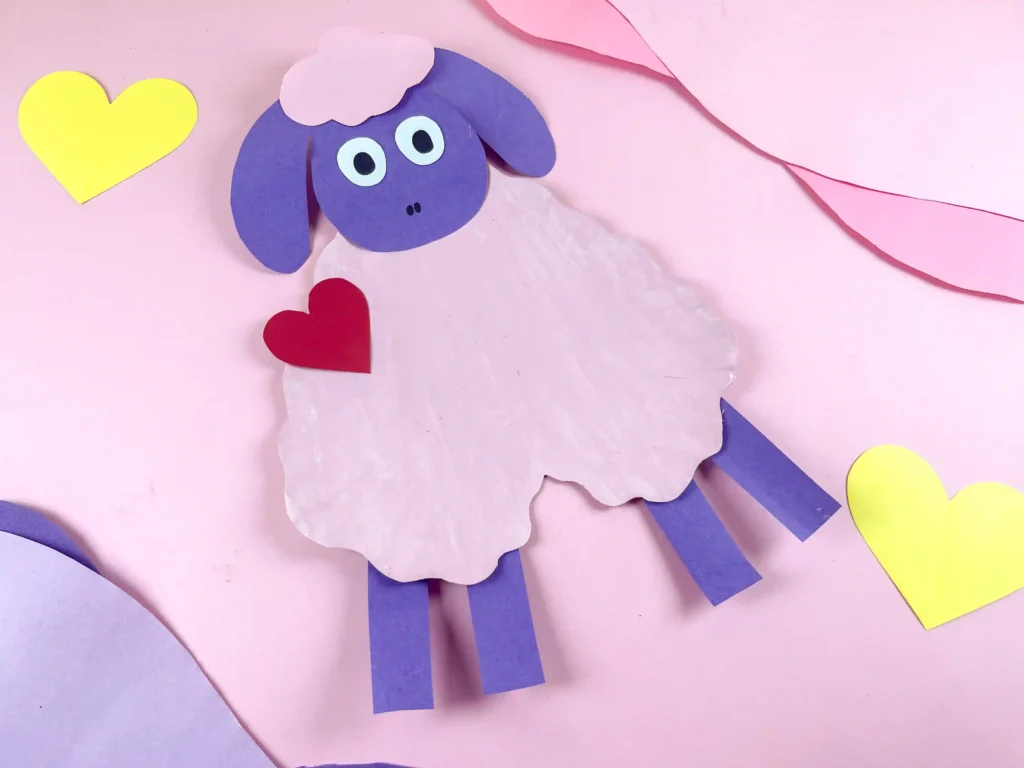
In the classroom, this craft works beautifully as part of a Valentine’s Day rotation. It can be used during art centers, as a whole-group guided project, or even as a calm afternoon activity when students need something engaging but not overstimulating. Because the steps are predictable, students quickly understand expectations, which helps the room stay focused and relaxed.
This project also pairs well with early writing activities. After completing the sheep, students can write a sentence or two about their Valentine sheep. Younger students might dictate a sentence or label parts of their craft, while older students can write about why the sheep is special or who they would give it to. The craft becomes a meaningful anchor for literacy without feeling forced.
Displaying the finished sheep adds another layer of value. Bulletin boards filled with heart-shaped sheep create a warm, welcoming atmosphere that reflects student effort. Seeing their work displayed helps build pride and reinforces the importance of completing tasks carefully. It also shows families that learning and creativity are happening hand in hand.
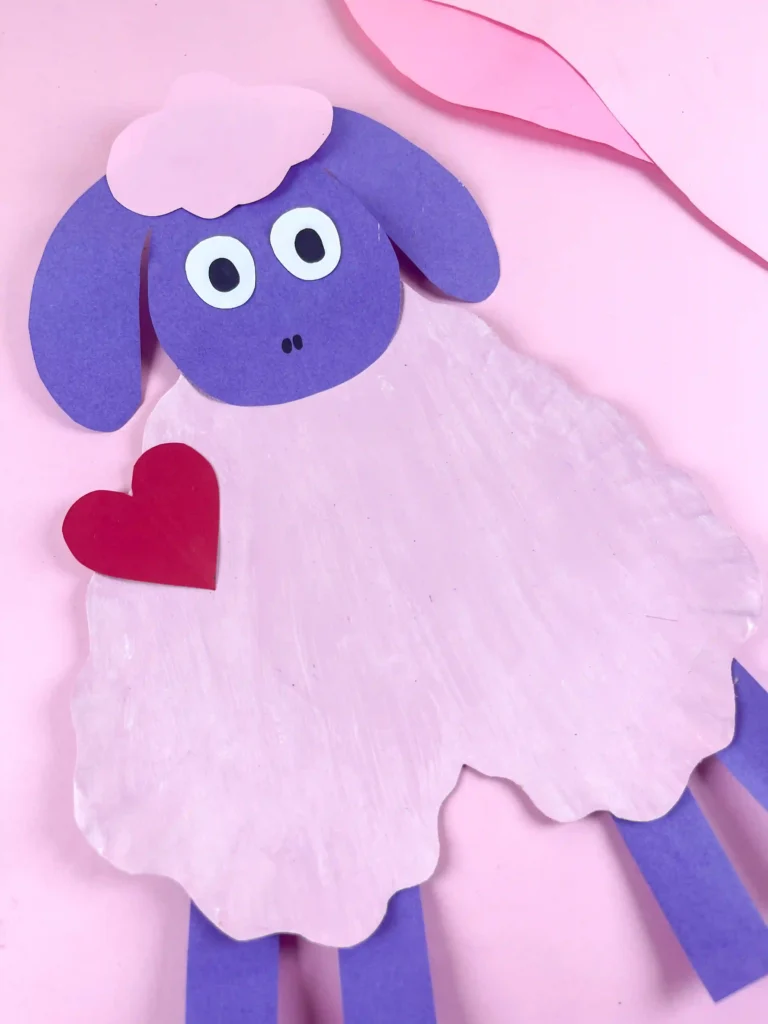
This craft is also easy to adapt for different needs. Students who need extra support can work with pre-cut pieces, while students who are ready for more challenge can add details with markers or create patterns on the sheep’s body. The flexibility makes it a reliable choice for mixed-ability classrooms.
Teachers can also use this craft as part of a larger February unit. It fits well alongside lessons about farm animals, feelings, or kindness. Because it doesn’t rely on candy or treats, it’s a great alternative for classrooms that prefer non-food celebrations.
At home, this craft is just as effective. It’s simple to set up, uses basic supplies, and doesn’t require a lot of prep. Parents can guide children through the steps and talk about why Valentine’s Day is about caring, not just cards and candy. Finished sheep make sweet keepsakes that families often save long after February ends.
Pair It With a Good Book
Pairing the Valentine Sheep craft with picture books helps extend learning and keeps the theme cohesive. Books like Sheep in a Jeep by Nancy Shaw are perfect for lighthearted fun and discussion. The Sheep Who Hatched an Egg by Gemma Merino is a wonderful story about kindness and caring, making it a natural match for Valentine’s Day. For younger students, That’s Not My Lamb by Fiona Watt offers simple language and sensory descriptions that connect nicely to hands-on crafts.
A Valentine’s Day Craft To Remember
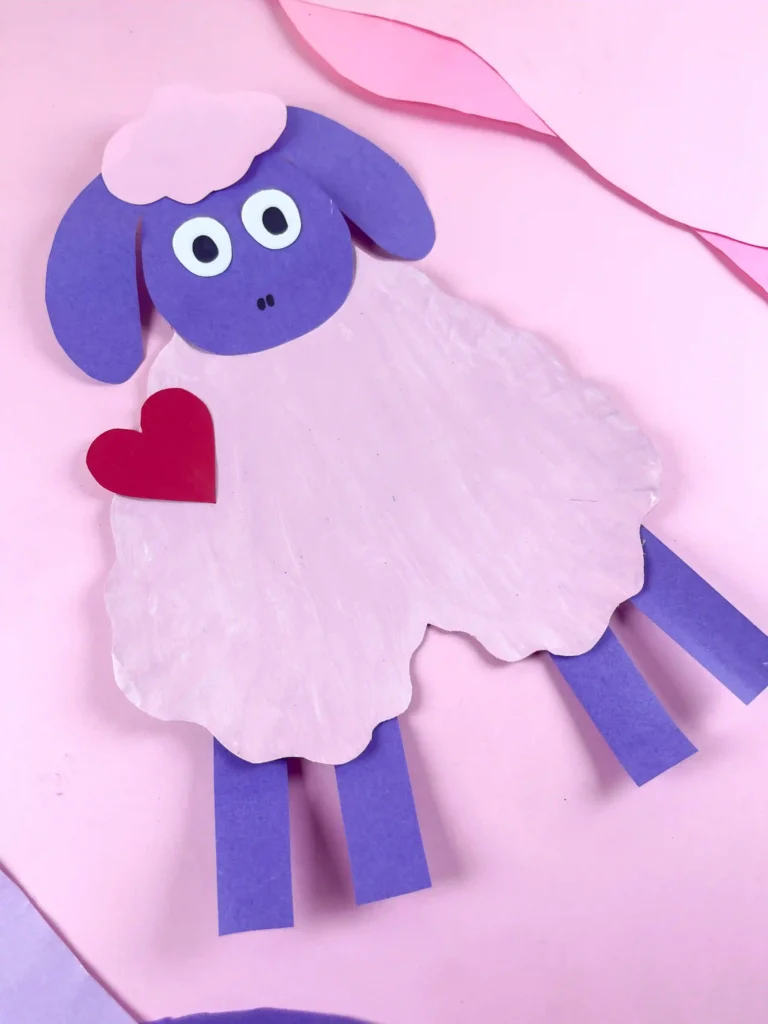
What makes the Valentine Sheep craft stand out is how balanced it is. It’s creative without being chaotic, structured without feeling rigid, and meaningful without being complicated. Students are practicing real skills while enjoying the process, which is exactly what strong early childhood activities should do.
In a busy February full of excitement and schedule changes, projects like this help keep learning grounded. The Valentine Sheep craft offers a calm, purposeful way to celebrate the season while supporting fine motor development, following directions, and positive classroom culture. It’s the kind of activity that feels just right for this time of year and leaves students smiling when they’re done.
Liked This? You May Also Like…
- The BEST DIY Valentine’s Day Craft: monster valentine box
 Make this monster valentine box that is one of the most unforgettable Valentine box ideas! This monster craft is so cute & will be the talk of the school!
 - The Best Valentine’s Day Craft Idea: Bear Valentine BoxMake this adorable Valentine’s Day craft for your classroom Valentines exchange! This bear valentine craft is one of the best valentine box ideas!
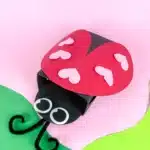
- The Best Valentine’s Day Crafts: ladybug Valentines BoxMake the cutest ladybug valentines box using a recycled box, pipe cleaners, and construction paper. This Valentine’s Day craft is perfect for classroom valentine exchanges.
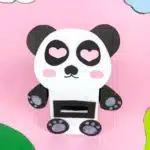
- The Best Valentine’s Day Box Idea: panda valentines boxCreate a DIY panda Valentines box for a fun and easy classroom exchange. Kids will love making and using this adorable panda Valentine’s Day craft!
- The Best Valentine’s Day Box IDea: Butterfly Valentines boxThis butterfly Valentines box is an easy kids craft for classroom Valentine exchanges, school parties, and Valentine’s Day activities.
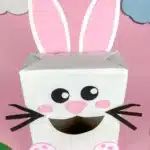
- The Best Valentines Box Idea: Bunny Valentines boxThis bunny valentines box is a fun and easy craft for kids and is the perfect addition to Valentine’s Day classroom exchanges and school parties.
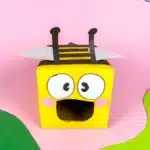
- The Best Valentine’s Day Craft: Bee Valentines BoxThis bee Valentines box is a fun and easy Valentine’s Day craft for kids, perfect for Valentine’s Day classroom exchanges and school parties.
- The Best Valentine’s Day Craft: sloth Valentine boxMake a sloth Valentine box for kids with this easy Valentine’s Day craft using materials you already own that is perfect for classroom valentines exchanges.
- The Best Hippo Valentine Box: A Fun Valentine’s Day CraftMake a hippo Valentine box for kids with this easy Valentine’s Day craft, great for classroom exchanges.





Leave a Reply