
The Best Valentine’s Day Snail Craft For Kids
December 23, 2025

There is something instantly charming about a snail craft. The soft curves, gentle colors, and whimsical personality make this project a favorite for kids and adults alike. This paper plate snail is one of those activities that feels magical in its simplicity: a painted paper plate shell, layered paper hearts, and a sweet snail face come together to create a craft that is perfect for Valentine’s Day, spring themes, garden lessons, and general creative exploration. It is low prep, budget-friendly, and easy enough for young crafters while still offering meaningful learning benefits.
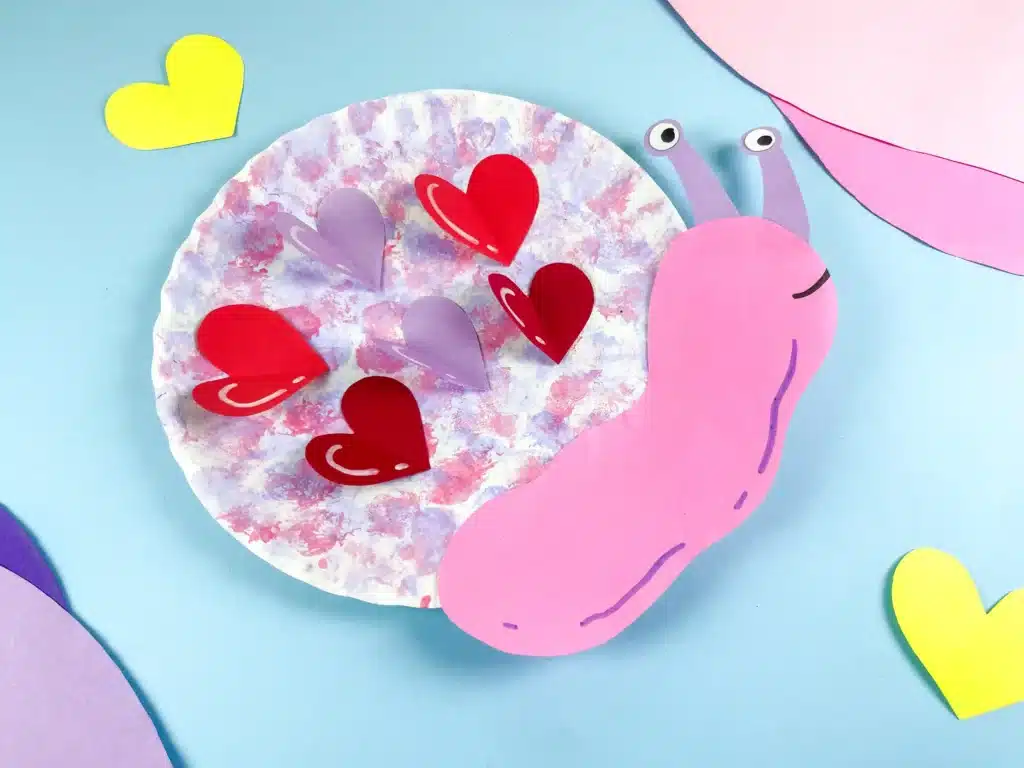
One of the most engaging parts of this craft is the painting technique. Instead of using paintbrushes, children dip cotton into pink and purple paint and dab it across the paper plate. This creates a soft, textured look that resembles a marbled shell. The method feels inviting and relaxing, and even very young children can use it successfully. The pressure of their fingers, the motion of the cotton, and the way the paint blends teach children how their movements influence their artwork. It is a simple sensory experience that encourages slow, thoughtful exploration.
After painting comes the fine motor portion of the craft: tracing templates, cutting shapes, arranging pieces, and gluing everything into place. Children take great pride in watching the snail take form step by step, and the combination of painting and assembly gives them a balance of sensory play and structured skill building. Teachers and parents appreciate how accessible the materials are. Paper plates, construction paper, cotton, and crayons or pencils are all you need. The finished snails look adorable on bulletin boards, classroom doors, or a spring-themed display at home.
How To Make This Valentine’s Day Snail Craft
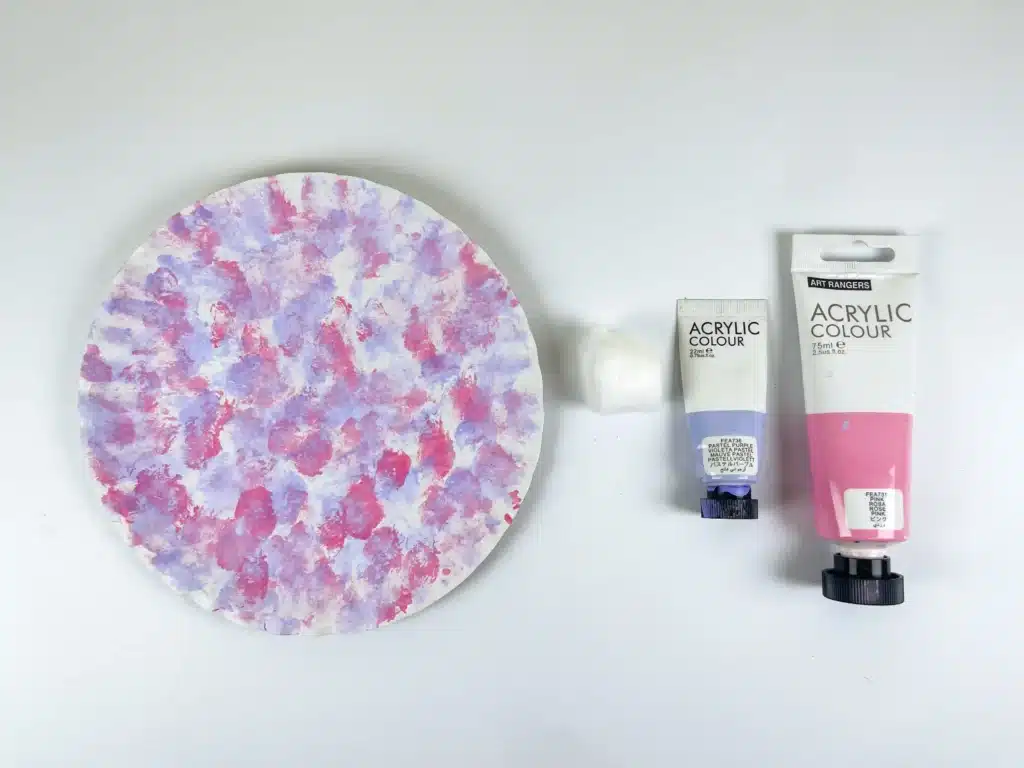
Materials:
- Paper plate
- Cotton
- Scissor
- Glue
- Color pencils
- Construction papers
- Pink and purple paint
- Snail Template
Instructions:
1. Paint the paper plate using cotton. Dip the cotton to the pink and purple paint and paint the paper plate.
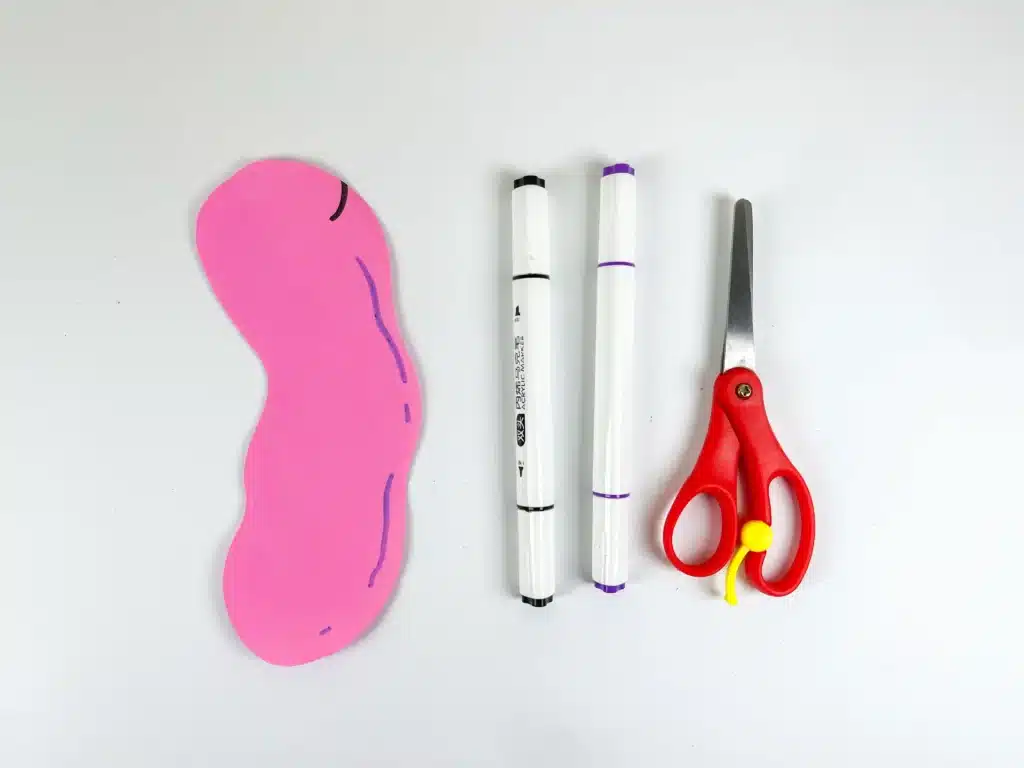
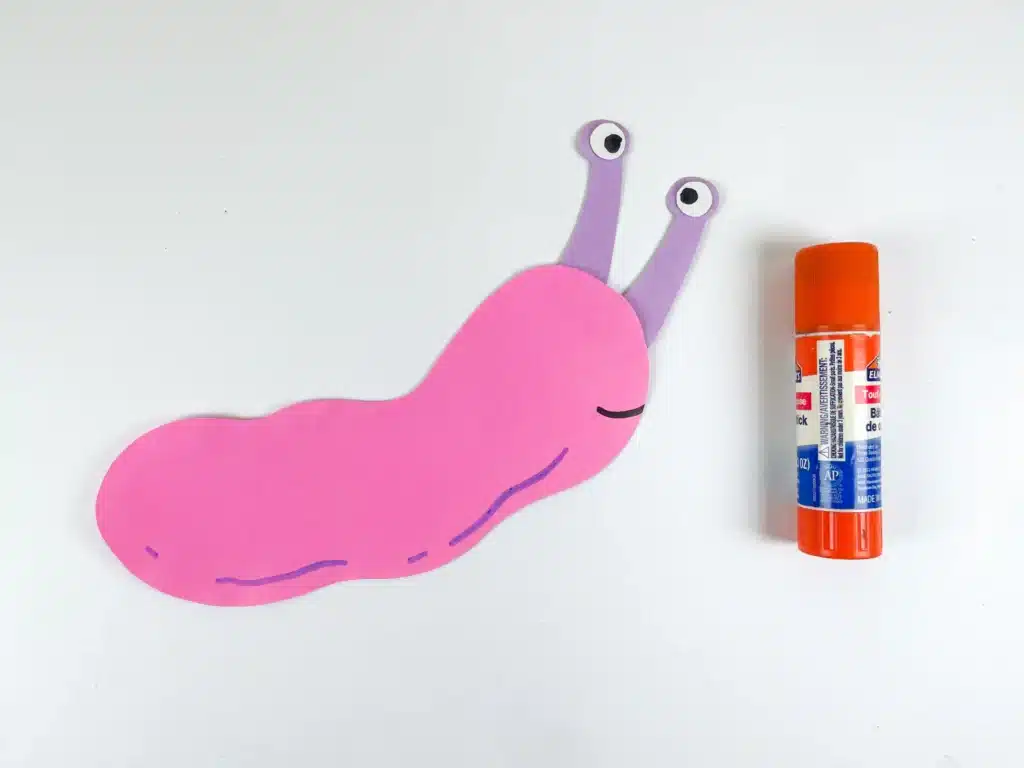
2. Cut and trace the template to their corresponding colored papers. Use a purple marker to draw lines on the body of the snail. Then, glue the eyes to the body.
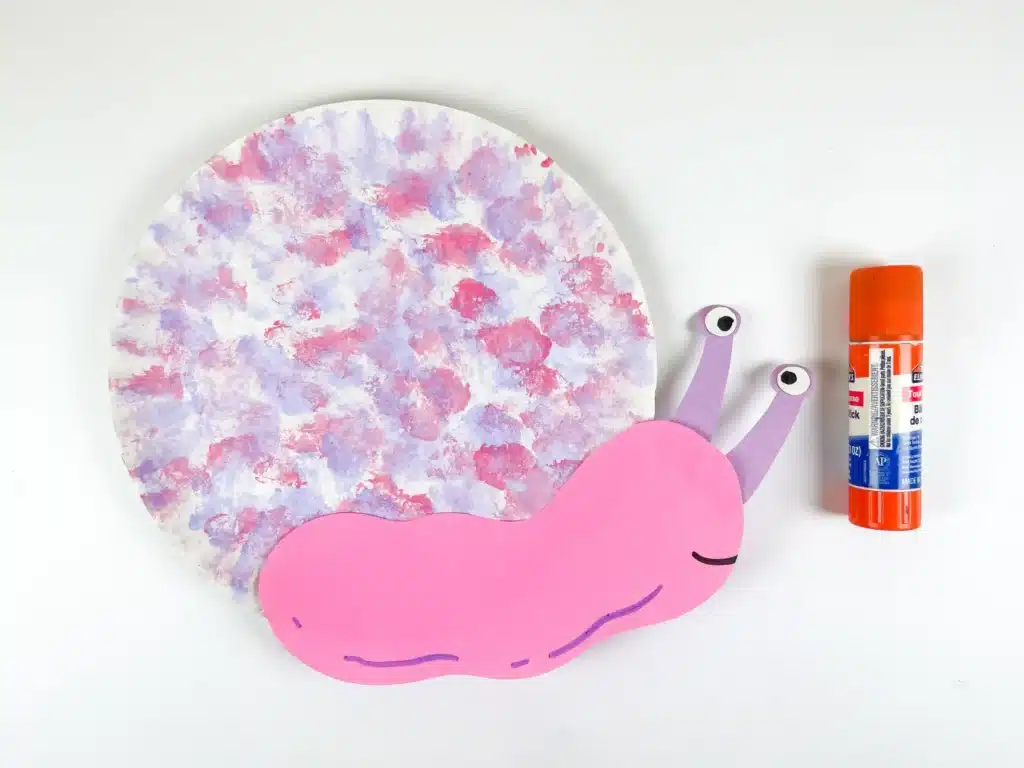
3. Attach the body to the paper plate once the paint is dry.
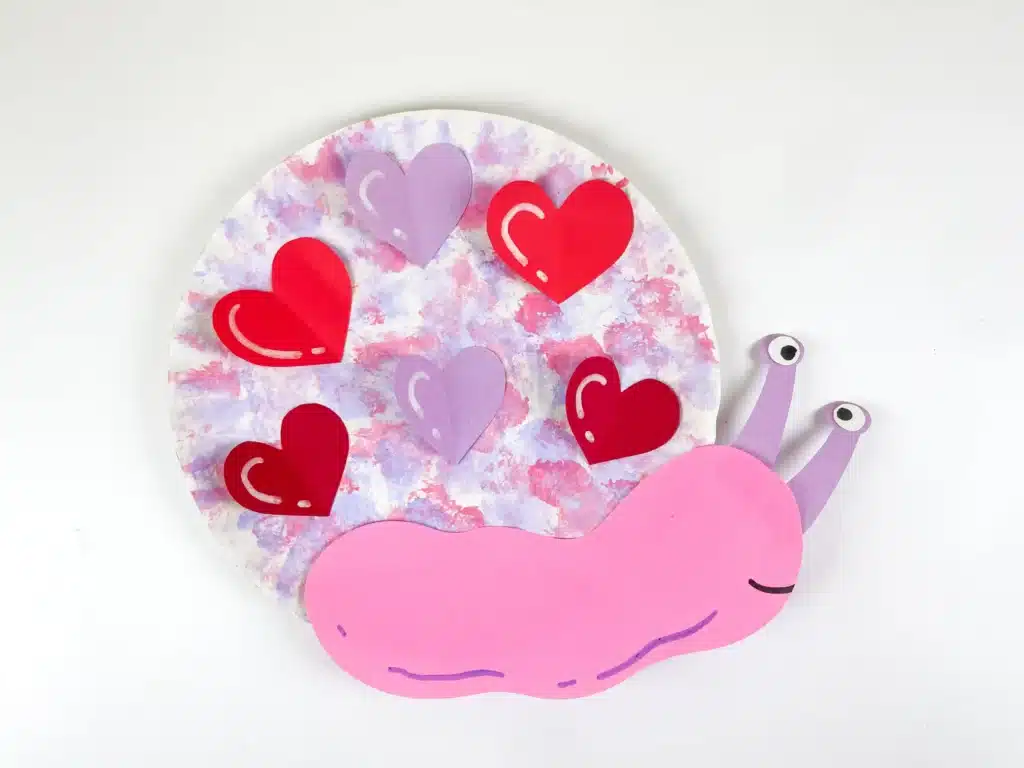
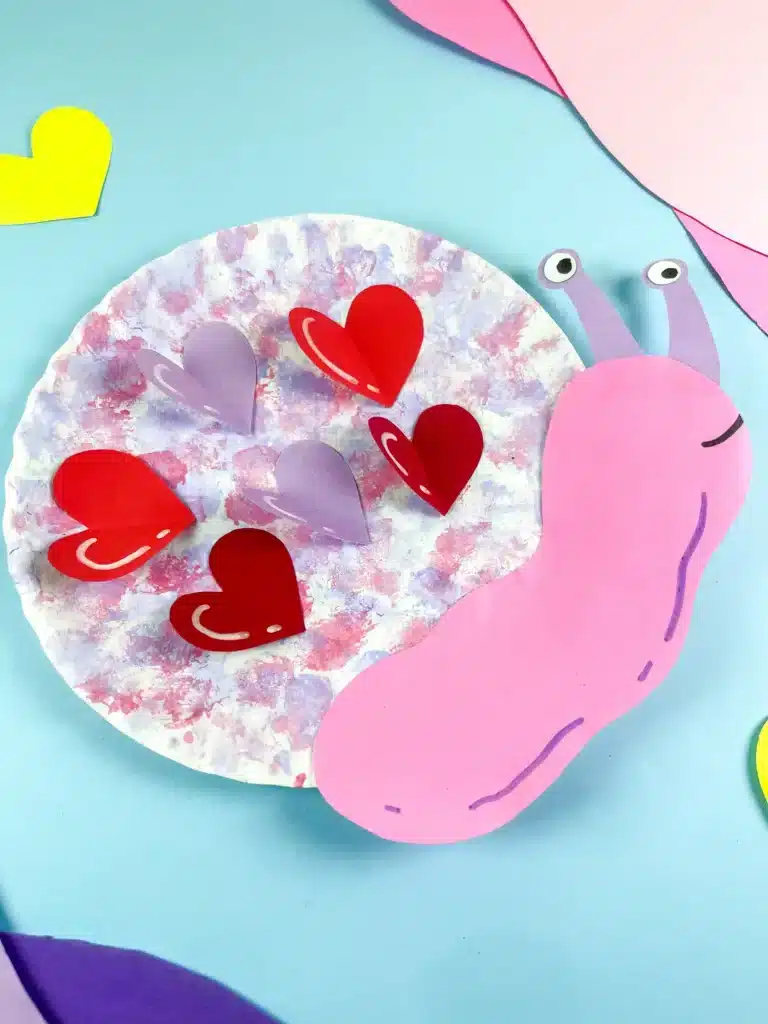
4. Attach the hearts and add other shell decorations, if desired.
Why Parents and Teachers Love This Valentine’s Day Craft
What makes this craft especially valuable in a classroom or homeschool setting is how it naturally supports early childhood development. Children use many different skills without feeling like they are doing anything other than having fun. Even simple steps like dipping cotton into paint help strengthen hand and finger muscles. This craft is an excellent way to reinforce fine motor development because children practice squeezing, pressing, pinching, cutting, and placing pieces with intention. These skills support handwriting, scissor control, independence with personal care tasks, and confidence when working with craft tools.
Tracing and cutting the templates adds another layer of fine motor practice. Curved shapes like the snail body, hearts, and antenna help children learn how to rotate the paper in small increments and adjust their hand position while cutting. The goal is not perfection but exploration. A child who trims outside the line or makes a lopsided heart is still strengthening important muscles while building persistence and dexterity.
The craft also offers a gentle sensory experience. Using cotton instead of brushes introduces children to a new way of creating texture. The repetition of dabbing and blending can feel calming for many learners, making this a soothing craft for transitions, morning work, or a quiet afternoon activity. Children who may feel hesitant about painting often enjoy the soft, forgiving nature of cotton application.
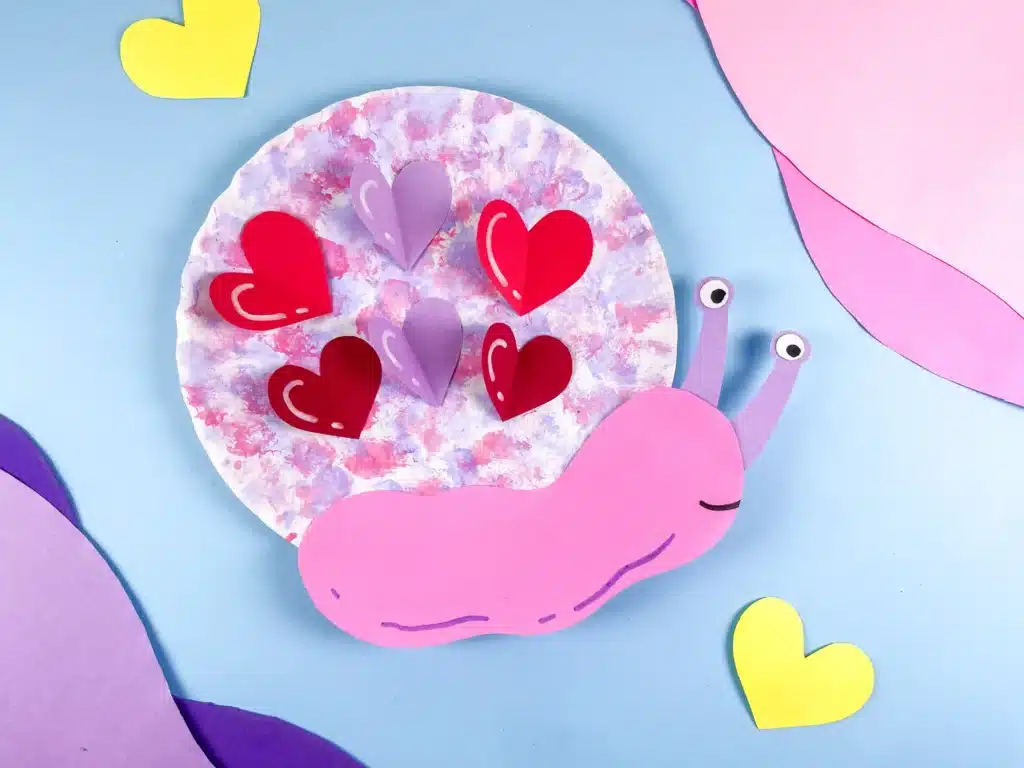
Once the shell and paper pieces are ready, the creative decision-making begins. Children choose where to place the hearts, how many they want to use, and how they want their snail to look. Even with templates, every snail turns out differently. Some children create symmetrical designs while others cluster the hearts together. Some snails look sleepy, while others have wide, excited expressions. This element of personal expression encourages children to make choices and feel proud of their artistic voices.
Following the steps in sequence reinforces important executive functioning skills. Children must wait for the paint to dry, gather materials, assemble in order, and stay focused until the craft is complete. These skills help children work more independently in academic settings and build confidence in completing multi-step tasks.
These snails make beautiful displays in any environment. In classrooms, they look wonderful grouped together as a “snail garden.” At home, they make cheerful refrigerator art or wall decorations for a playroom or bedroom. If you want to take the craft further, children can create a snail habitat diorama, use their snails in a storytelling sensory bin, or attach them to sticks to use as puppets in retelling favorite stories.
Extend the Activity and Connect it to Learning
There are many ways to extend the craft once the snail is finished. Storytelling is a natural next step. Children can name their snail, write a sentence about it, or invent a short story about where it travels or what it carries on its shell. Books such as The Snail and the Whale, Norman the Slug with the Silly Shell, or Snail Trail make wonderful companions to this craft and help bridge art and literacy.
If you want to weave in science, this is a lovely opportunity to discuss real snails. Children can learn about their habitats, shell structure, movement, and diet. You can even compare real snail shells with the painted paper versions to talk about patterns and shape.
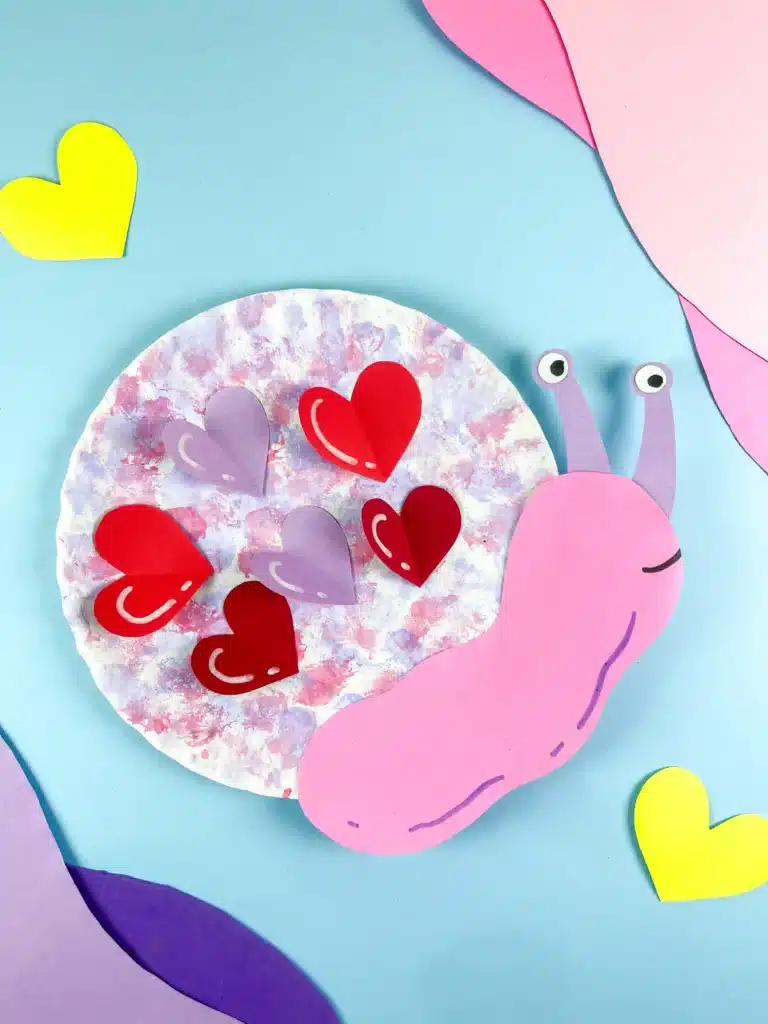
Math connections also fit easily into the craft. The hearts on the shell work well for counting exercises or pattern activities. Children can sort hearts by color, predict how many will fit on the shell, create AB or ABC patterns, or compare whose snail has the most or fewest decorations.
This craft also supports social-emotional learning. Snails move slowly and steadily, making them a helpful metaphor for patience, calmness, and pacing yourself. Some teachers use this craft during transitions into the new year, during mindfulness lessons, or when introducing routines that require slow, steady focus.
A Fun Valentine’s Day Snail Craft For Kids
This snail craft is more than just a cute project. It is a thoughtful blend of creativity, fine motor work, sensory exploration, and independent decision-making. It is simple enough for young children to enjoy without frustration but open-ended enough to give older children room to be imaginative. Whether you’re working with a class of students, a small homeschool group, or a single child at home, this craft is an inviting, joyful way to spark curiosity and celebrate creativity.
Grab Your Free Snail Craft Template Now!
Liked This? You May Also Like…
- The BEST DIY Valentine’s Day Craft: monster valentine box
 Make this monster valentine box that is one of the most unforgettable Valentine box ideas! This monster craft is so cute & will be the talk of the school!
 - The Best Valentine’s Day Craft Idea: Bear Valentine BoxMake this adorable Valentine’s Day craft for your classroom Valentines exchange! This bear valentine craft is one of the best valentine box ideas!
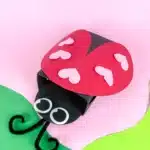
- The Best Valentine’s Day Crafts: ladybug Valentines BoxMake the cutest ladybug valentines box using a recycled box, pipe cleaners, and construction paper. This Valentine’s Day craft is perfect for classroom valentine exchanges.
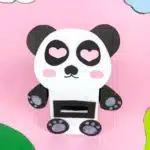
- The Best Valentine’s Day Box Idea: panda valentines boxCreate a DIY panda Valentines box for a fun and easy classroom exchange. Kids will love making and using this adorable panda Valentine’s Day craft!
- The Best Valentine’s Day Box IDea: Butterfly Valentines boxThis butterfly Valentines box is an easy kids craft for classroom Valentine exchanges, school parties, and Valentine’s Day activities.
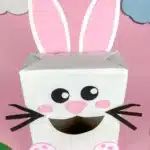
- The Best Valentines Box Idea: Bunny Valentines boxThis bunny valentines box is a fun and easy craft for kids and is the perfect addition to Valentine’s Day classroom exchanges and school parties.
- The Best Valentine’s Day Craft: Bee Valentines BoxThis bee Valentines box is a fun and easy Valentine’s Day craft for kids, perfect for Valentine’s Day classroom exchanges and school parties.
- The Best Valentine’s Day Craft: sloth Valentine boxMake a sloth Valentine box for kids with this easy Valentine’s Day craft using materials you already own that is perfect for classroom valentines exchanges.
- The Best Hippo Valentine Box: A Fun Valentine’s Day CraftMake a hippo Valentine box for kids with this easy Valentine’s Day craft, great for classroom exchanges.



Leave a Reply