

Ice Heart Suncatchers: A Valentine Activity for Kids Using Winter Nature Finds
December 30, 2025

Winter often leaves the outdoors looking quiet and bare, but small details stand out even more as a result. Ice Heart Suncatchers invite kids to slow down, explore their surroundings, and turn a nature craft for kids into a temporary work of art. This Valentine activity for kids blends creativity, science, and seasonal observation in a way that feels calm, curious, and full of wonder.
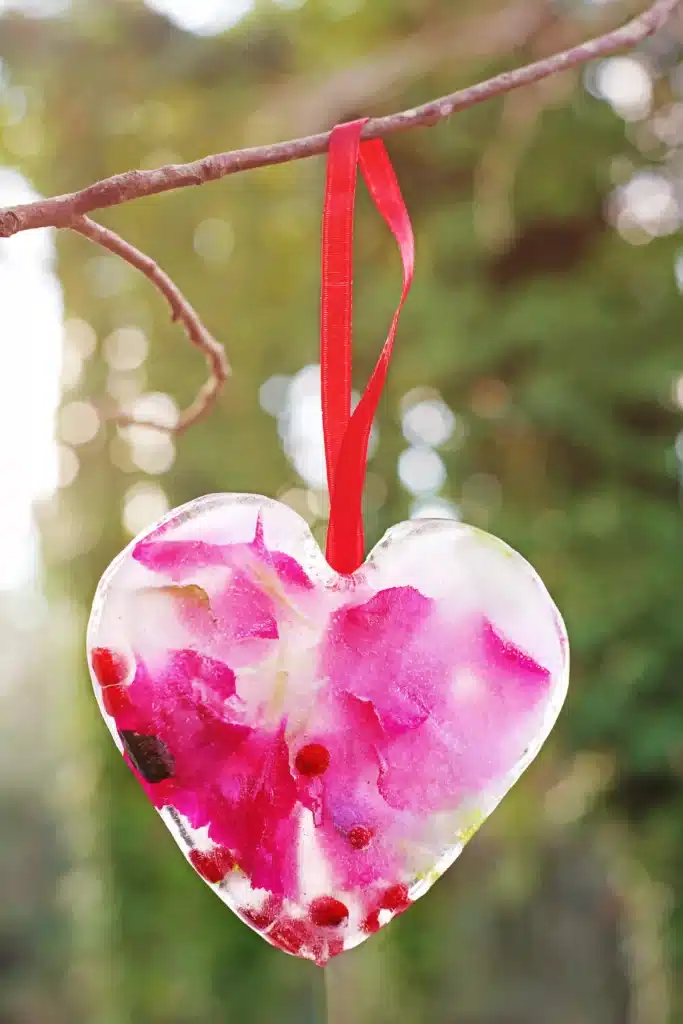
Using flowers, berries, and leaves frozen into heart-shaped ice, this winter nature activity teaches kids to celebrate cold weather rather than avoid it. The finished hearts catch the light outdoors, glowing softly as the ice holds its shape. Over time, the heart thins, shifts, and eventually fades away, offering kids a front-row seat to a beautiful natural process.
A Winter Nature Activity Rooted in Exploration
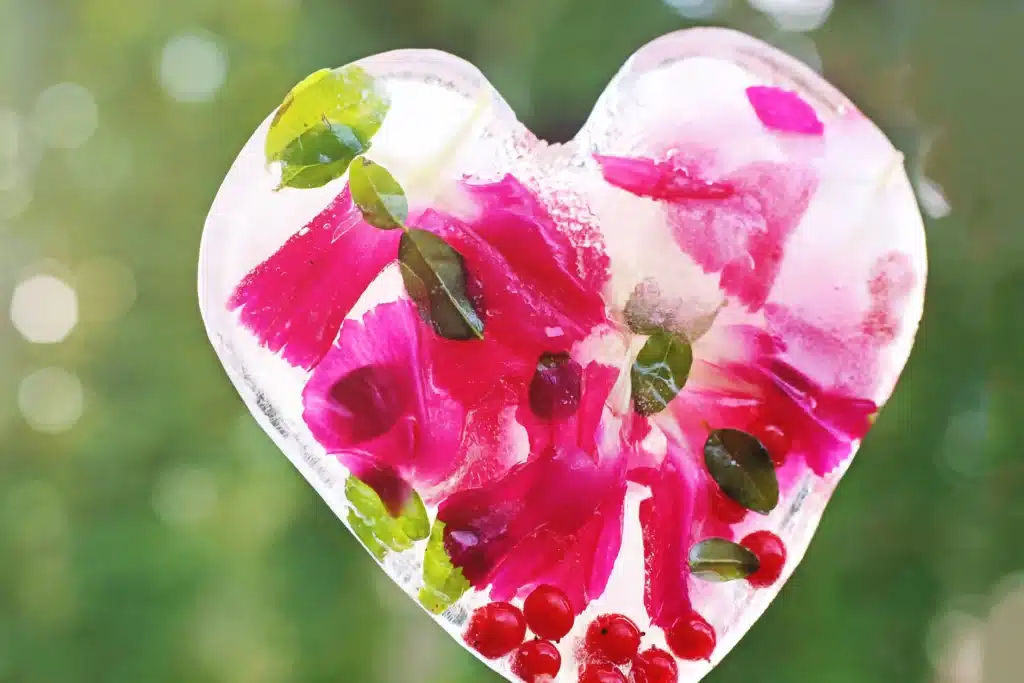
Ice Heart Suncatchers begin with a nature walk. Kids search for flowers, berries, and small leaves, noticing color, shape, and texture along the way. Petals and leaves are gently pulled away from their stems, turning found materials into art supplies, ready for arranging.
This Valentine activity for kids encourages observation and care. Each choice matters. Which petals float best? Which berries stand out against the ice? Which leaves create interesting patterns? The activity is open-ended, allowing creativity to lead the way.
A nature-based Valentine activity like this one helps kids connect with the season rather than just waiting it out. Cold air, frozen water, and natural light all play a role in the ice craft for kids.
Why Ice Heart Suncatchers Work for Winter
Many winter crafts rely on paper, glue, or indoor supplies. Ice Heart Suncatchers step outside that box.
This winter nature activity blends art and science without formal lessons. Kids can note how water changes state, observe how objects freeze in place, and see what happens as ice is exposed to the elements. The process feels organic and visual.
As a Valentine activity for kids, the heart shape adds a nice tie-in to the holiday. The focus stays on natural beauty rather than grandiose embellishments.
Materials Needed for Ice Heart Suncatchers
This activity stays simple and flexible, adapting easily to what nature offers.
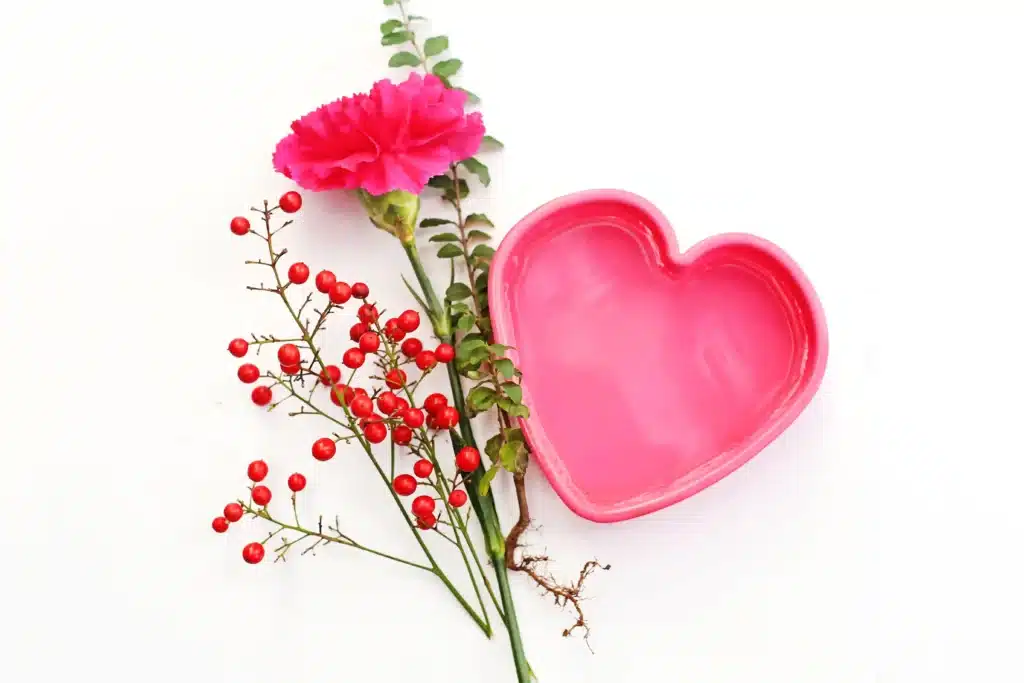
- Fresh or dried flowers
- Red berries
- Small leaves
- Heart-shaped silicone mold
- Water
- Ribbon or string
The materials encourage creativity rather than perfection. Petals can overlap. Leaves can tilt. Berries can cluster or scatter. Every heart ends up unique.
How to Make Ice Heart Suncatchers
1. Gather flowers, berries, and small leaves during a nature walk.
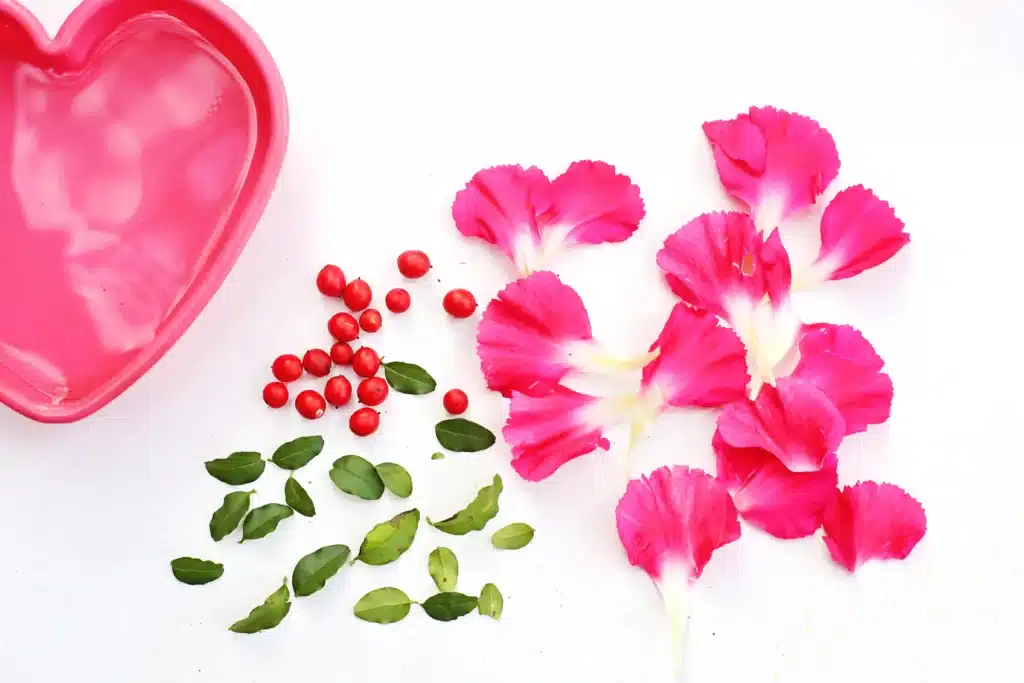
2. Pull petals and leaves away from stems, creating loose pieces.
3. Place the heart mold on a flat surface.
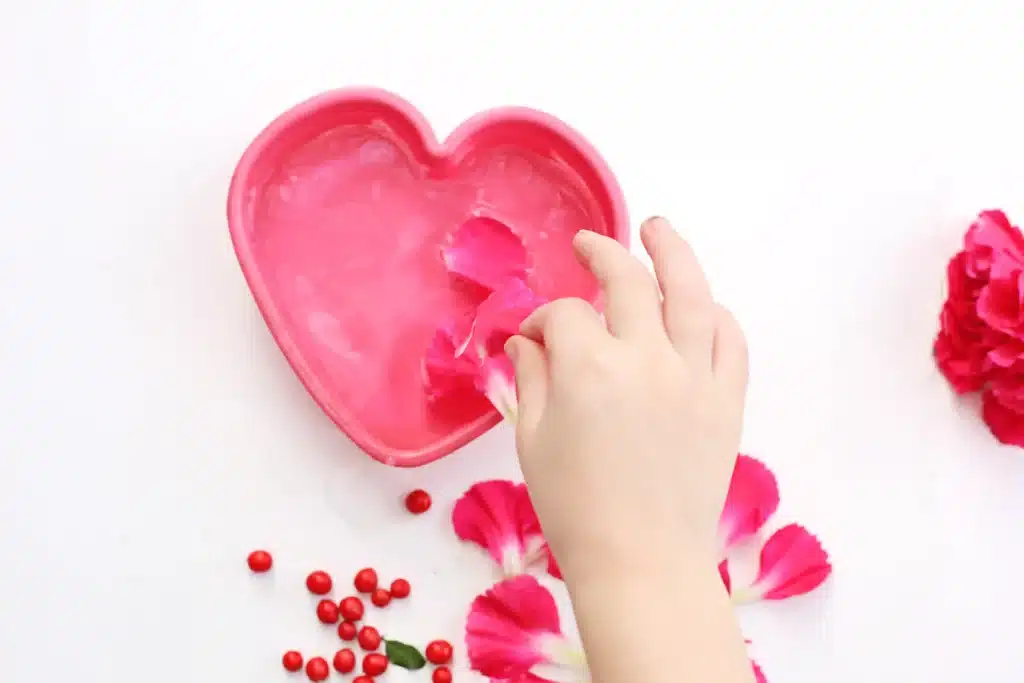
4. Fill the mold with water, leaving a small space at the top.
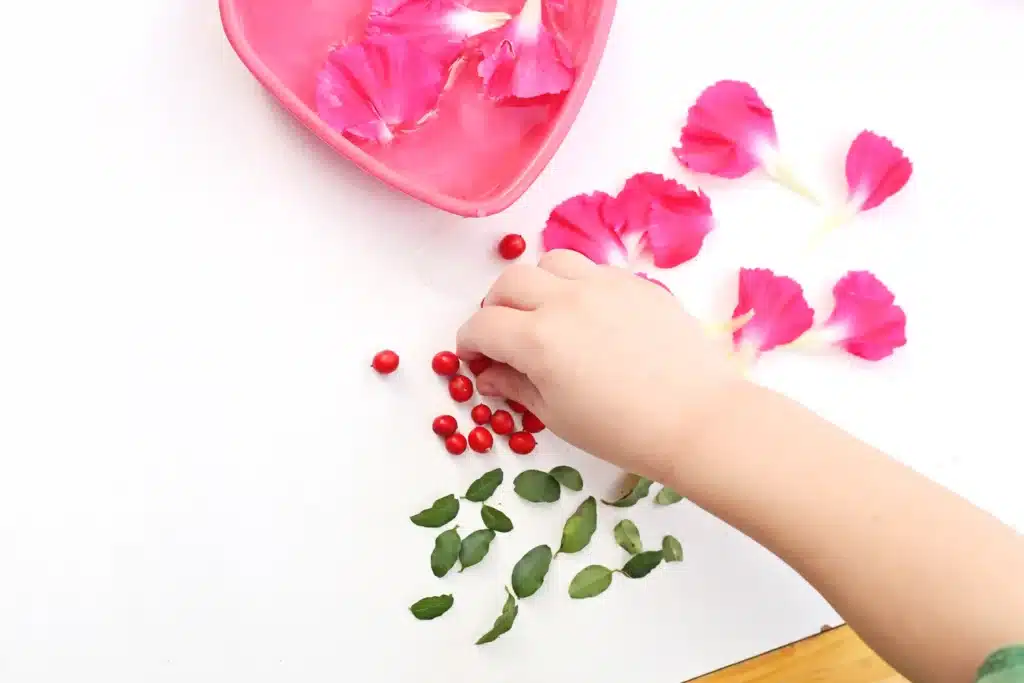
5. Add petals, berries, and leaves to the water. Arrange gently or allow them to float freely.
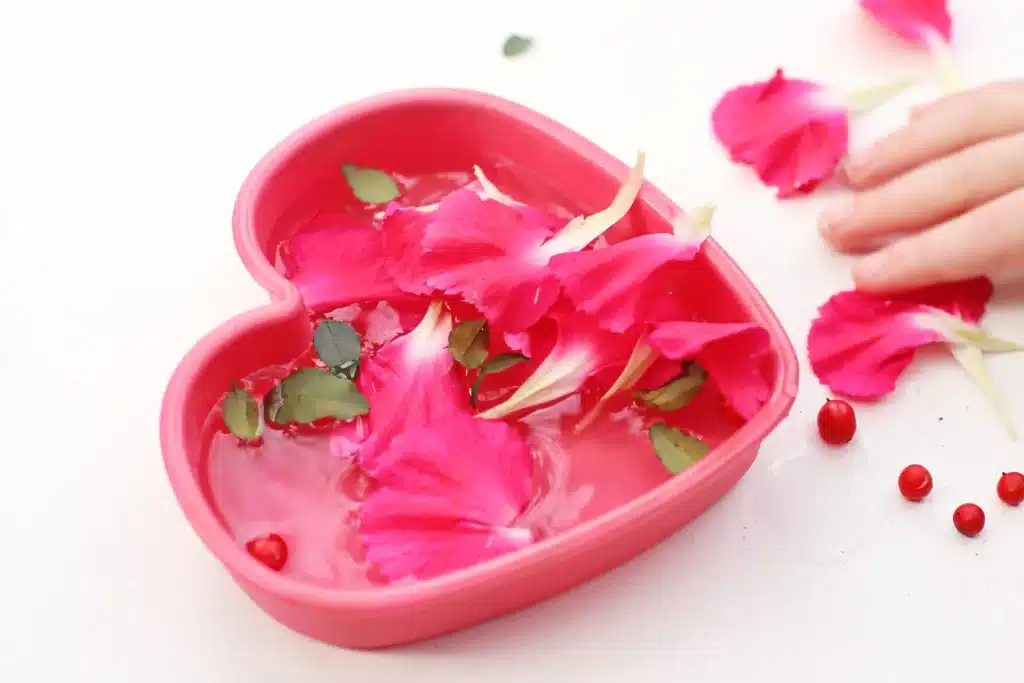
6. Place both ends of a ribbon into the mold, leaving the middle to hang out so it forms a hangar once it freezes in place.
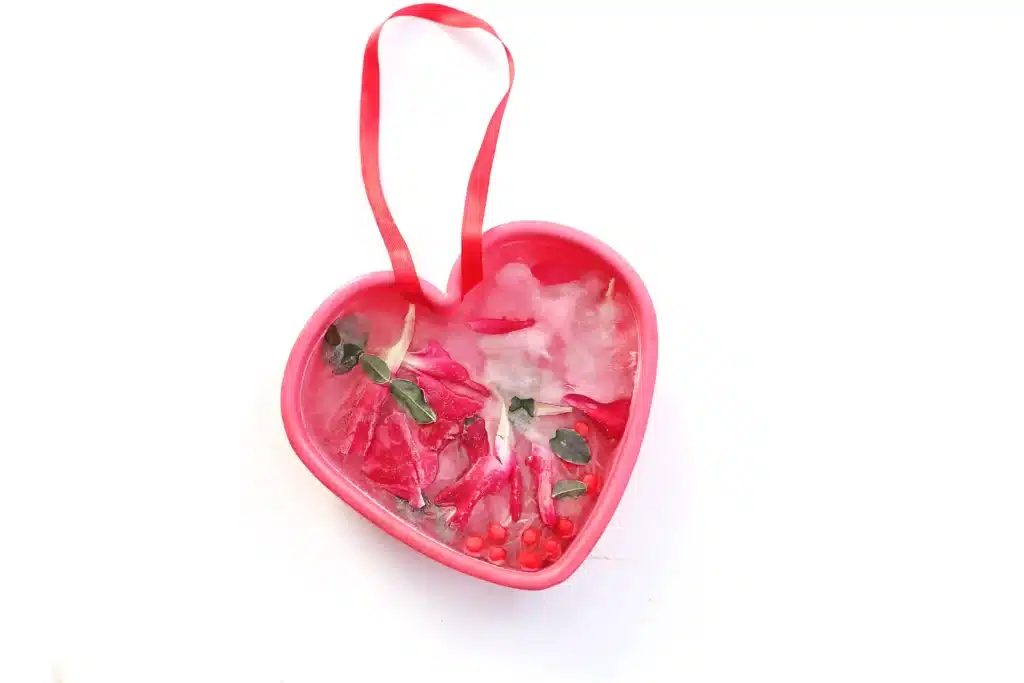
7. Freeze overnight until fully solid.
If temperatures stay low enough, the mold can freeze outside overnight, or simply use a freezer.
8. Remove the ice heart from the mold and hang it outdoors where light can pass through.
Once hung, the ice heart reflects winter light in soft, shifting patterns.
A Valentine Activity for Kids That Feels Alive
Ice Heart Suncatchers feel different from traditional crafts because they change. Kids love watching the heart melt slowly in the winter light, noticing how petals drift as the ice thins and how droplets fall over time.
This sense of movement keeps attention focused. The heart might last hours or days depending on the temperature, creating anticipation and curiosity. Kids often return to check on it, watching subtle changes and asking questions about ice, temperature, and sunlight.
As a Valentine activity for kids, this project focuses on experience rather than permanence. The heart exists for a time, then disappears; leaving behind only memory and understanding.
Learning Through a Winter Nature Activity
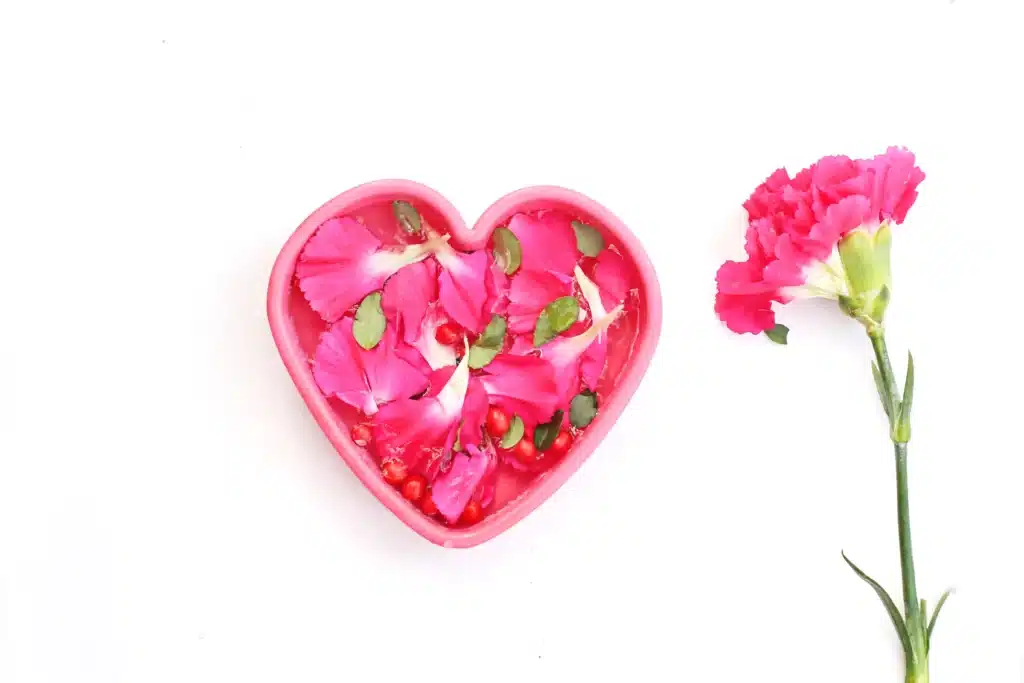
This activity quietly supports learning across multiple areas. Fine motor skills develop as kids pluck delicate petals, leaves and berries. Also as they place those small items into water. Observation skills grow as they watch freezing and melting happen in real time.
Science feels accessible. Ice forms. Light passes through. Temperature affects how long the heart lasts. These ideas develop naturally through experience rather than explanation.
An outdoor winter activity like this one also encourages patience. Freezing takes time. Melting unfolds slowly. Kids learn to wait, watch, and notice.
Where to Hang Ice Heart Suncatchers
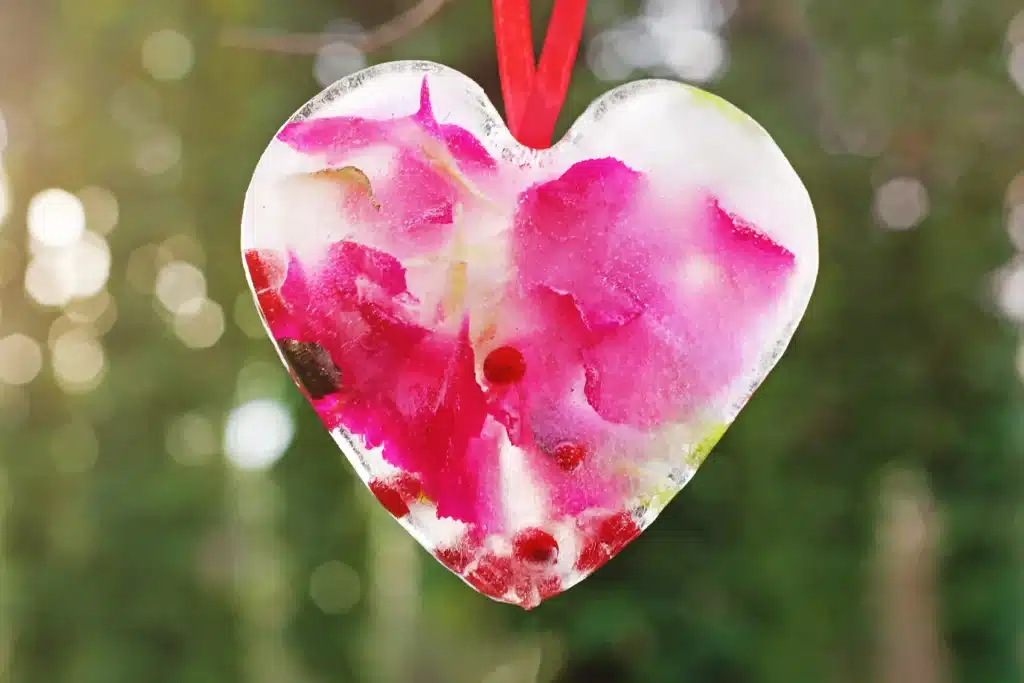
Placement adds to the experience. Hanging the heart outside near a window, tree branch, or fence allows sunlight to shine through. Morning and afternoon light create different effects, shifting color and brightness throughout the day.
Cold outdoor air helps the heart last longer. On especially cold nights, freezing the mold outside adds an extra layer of excitement, connecting the activity even more closely to the environment.
This Valentine activity for kids works best when nature takes the lead.
Why Ice Heart Suncatchers Leave a Lasting Impression
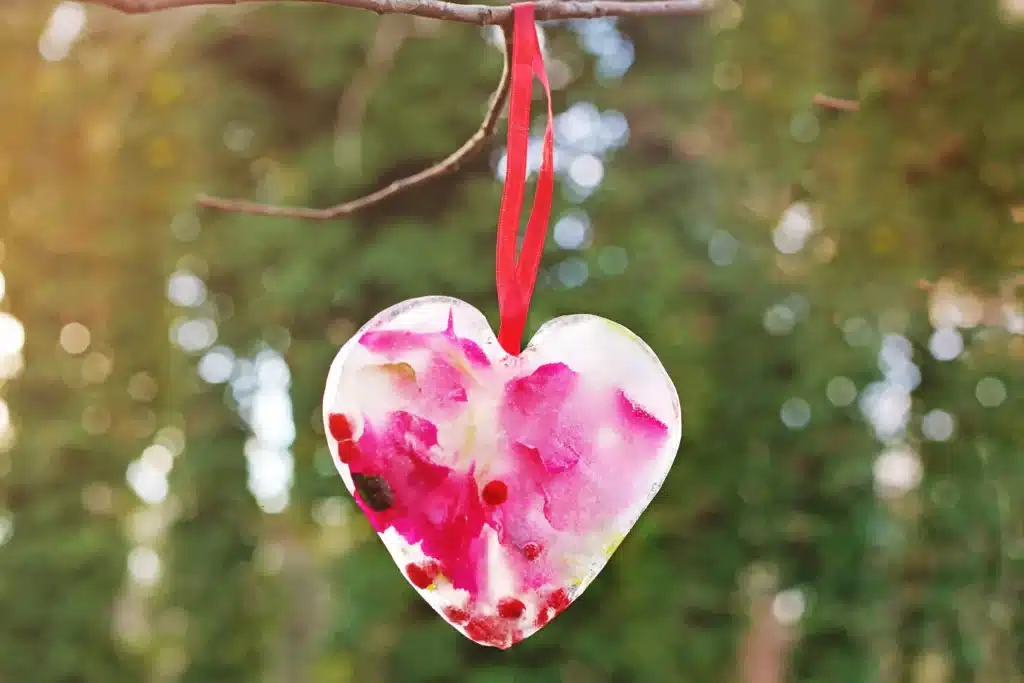
Ice Heart Suncatchers show kids that creativity does not need to last forever to matter. The beauty lies in the process, the observation, and the moment itself.
This winter nature activity brings together art, science, and seasonal awareness in a way that feels gentle and meaningful. Kids remember watching the heart glow, drip, and slowly fade, carrying that experience with them long after the ice disappears.
Simple materials, winter air, and curious minds come together to create something quietly unforgettable.
Liked This? You May Also Like…
- The BEST DIY Valentine’s Day Craft: monster valentine box
 Make this monster valentine box that is one of the most unforgettable Valentine box ideas! This monster craft is so cute & will be the talk of the school!
 - The Best Valentine’s Day Craft Idea: Bear Valentine BoxMake this adorable Valentine’s Day craft for your classroom Valentines exchange! This bear valentine craft is one of the best valentine box ideas!
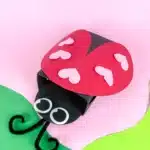
- The Best Valentine’s Day Crafts: ladybug Valentines BoxMake the cutest ladybug valentines box using a recycled box, pipe cleaners, and construction paper. This Valentine’s Day craft is perfect for classroom valentine exchanges.
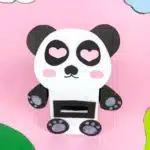
- The Best Valentine’s Day Box Idea: panda valentines boxCreate a DIY panda Valentines box for a fun and easy classroom exchange. Kids will love making and using this adorable panda Valentine’s Day craft!
- The Best Valentine’s Day Box IDea: Butterfly Valentines boxThis butterfly Valentines box is an easy kids craft for classroom Valentine exchanges, school parties, and Valentine’s Day activities.
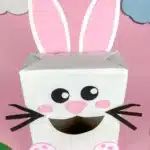
- The Best Valentines Box Idea: Bunny Valentines boxThis bunny valentines box is a fun and easy craft for kids and is the perfect addition to Valentine’s Day classroom exchanges and school parties.
- The Best Valentine’s Day Craft: Bee Valentines BoxThis bee Valentines box is a fun and easy Valentine’s Day craft for kids, perfect for Valentine’s Day classroom exchanges and school parties.
- The Best Valentine’s Day Craft: sloth Valentine boxMake a sloth Valentine box for kids with this easy Valentine’s Day craft using materials you already own that is perfect for classroom valentines exchanges.
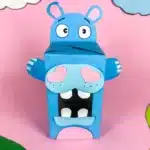
- The Best Hippo Valentine Box: A Fun Valentine’s Day CraftMake a hippo Valentine box for kids with this easy Valentine’s Day craft, great for classroom exchanges.







Leave a Reply