

Unlocking Early Reading Skills with Phonics Ladders
March 29, 2025
As an early elementary teacher, I’m sure you are always on the lookout for engaging and effective tools to help your students build a strong foundation in reading. One resource that has proven to be incredibly valuable in developing phonemic awareness and early literacy skills is phonics ladders. If you haven’t incorporated phonics ladders into your classroom yet, let me introduce you to this fantastic tool and share some creative ways to make the most of them.
What Are Phonics Ladders?

Phonics ladders are structured, step-by-step activities designed to help young learners manipulate sounds in words through phoneme substitution. By changing one sound at a time, students climb the “ladder” to create a new word with each step. This process strengthens their understanding of sound patterns and phonemic relationships, essential components for decoding and spelling.
For example, a simple phonics ladder might start with the word cat. By changing the initial consonant, it becomes bat, then sat, and so on. This activity encourages children to actively engage with phonemes, reinforcing their ability to hear and manipulate sounds within words.
How to Incorporate Phonics Ladders in the Classroom
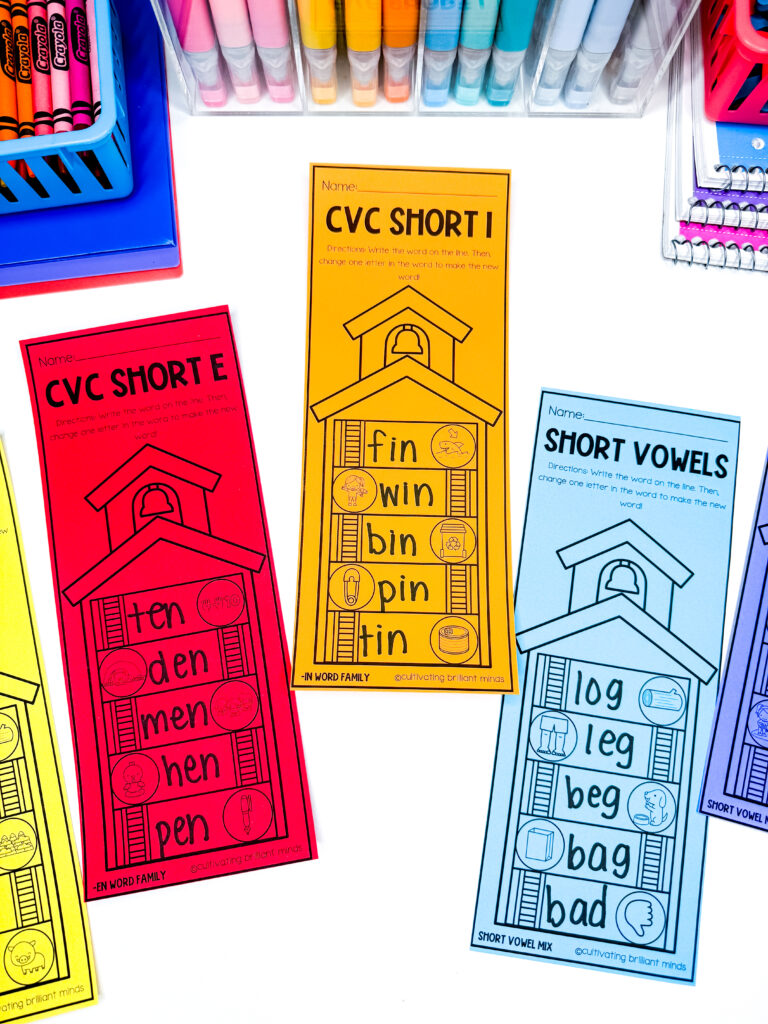
One of the best aspects of phonics ladders is their flexibility. They can be used in various classroom settings, ensuring that every child benefits from the activity, regardless of their reading level. Here are some practical ways to integrate phonics ladders into your daily routine:
1. Morning Work
Start the day with a quick phonics review by providing a phonics ladder worksheet as part of your students’ morning routine. This warm-up activity gets their brains engaged and reinforces previous lessons before diving into new content.
2. Small Group Instruction
Phonics ladders work wonderfully in small group settings where you can provide targeted instruction. Grouping students by their reading ability allows for differentiated instruction, ensuring each child is challenged appropriately.
3. Literacy Centers
Set up a phonics ladder station in your literacy centers. Provide laminated copies of phonics ladders along with dry-erase markers for a reusable, hands-on experience. This allows students to practice independently or with a partner.
4. Intervention and Support
For students who need extra practice with phonemic awareness, phonics ladders serve as a fantastic intervention tool. Working one-on-one or in small groups, you can guide struggling readers through the process of sound substitution, building their confidence and skills.
5. Fast Finisher Activities
Keep phonics ladders readily available for students who finish their work early. Having an engaging and educational task on hand ensures they continue practicing literacy skills in a meaningful way.
Expanding the Use of Phonics Ladders

While phonics ladders are already an effective tool for phoneme substitution, they can also be adapted in creative ways to further engage students and enhance their learning experience. Here are a few additional ideas:
1. Phonics Ladder Games
Turn phonics ladders into a game by timing students as they complete a ladder or having them compete in teams. Challenge them to see how quickly they can climb the ladder correctly while maintaining accuracy.
2. Interactive Pocket Chart Activities
Use a pocket chart to display a phonics ladder. Provide students with letter cards so they can physically swap out sounds to form new words. This tactile method reinforces sound-symbol relationships and engages kinesthetic learners.
3. Partner Work and Peer Teaching
Encourage students to work with a partner, taking turns reading the words on the ladder aloud. Older students or advanced readers can also mentor younger peers by guiding them through the process.
4. Incorporating Movement
For a fun, active approach, write phonics ladder words on cards and scatter them around the room. Students can hop from one word to the next in sequence, physically climbing the ladder while reading aloud.
5. Digital Learning Integration
If your classroom uses tablets or interactive whiteboards, consider incorporating digital phonics ladders. There are various educational apps and online resources that allow students to manipulate sounds and words in an engaging way.
Why Phonics Ladders Matter
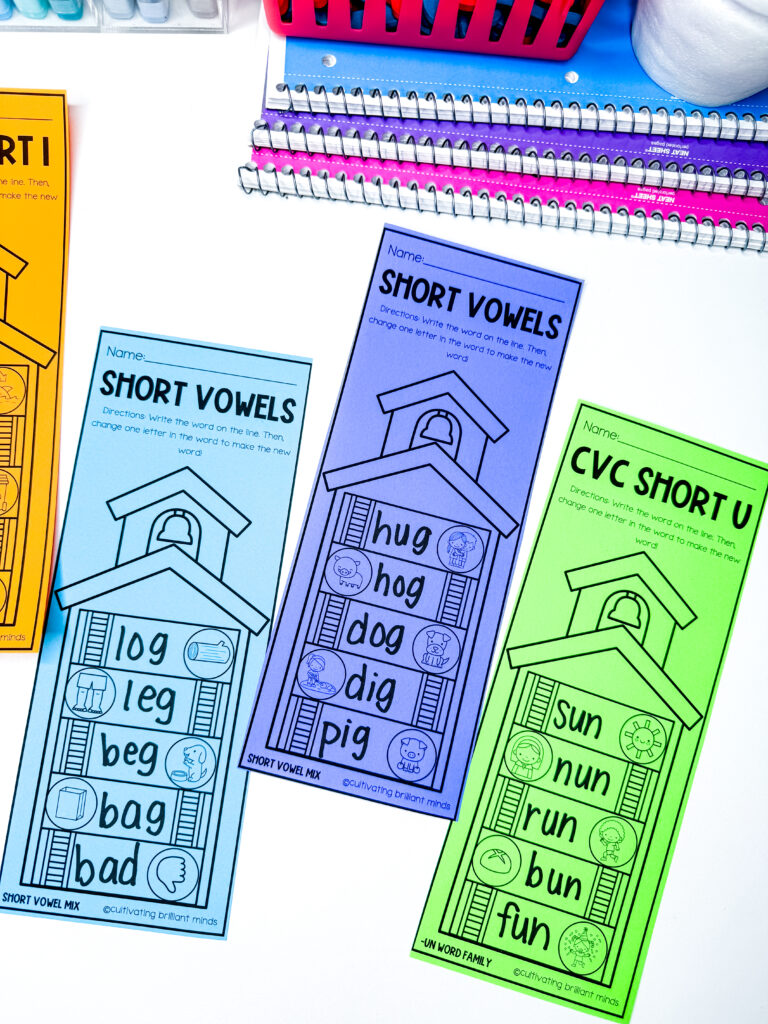
Building phonemic awareness is a crucial step in developing proficient readers. Phonics ladders help children understand how sounds work within words, reinforcing essential literacy skills such as decoding, spelling, and word recognition. By integrating phonics ladders into your classroom routine, you provide students with the tools they need to become confident and capable readers.
If you’re looking for an easy-to-use, no-prep phonics ladder resource, check out this FREE SAMPLE of CVC Phonics Ladders! With 11 phonics ladders and answer keys included, they are perfect for morning work, literacy centers, intervention groups, or early finishers.
Give phonics ladders a try in your classroom and watch your students’ reading skills soar!
If you like these FREE phonics ladders, you can grab the entire CVC set here:
And you can grab the CVCe set here:














Leave a Reply