
Mardi Gras Color Sorting Sensory Bin: A Color Recognition Activity for Kids
January 31, 2026

Morning routines benefit from activities that feel calm, inviting, and purposeful. A Mardi Gras color sorting sensory bin offers exactly that. It brings learning and celebration together in a simple, low-prep color recognition activity that fits right in with early childhood. Bright green, purple, and yellow Froot Loops fill the bin, inviting children to develop color recognition, sorting, and fine motor control through an edible sensory bin experience. With matching cupcake liners and optional sensory tweezers, this Mardi Gras sensory bin supports early learning goals while reflecting the traditional colors associated with the holiday.
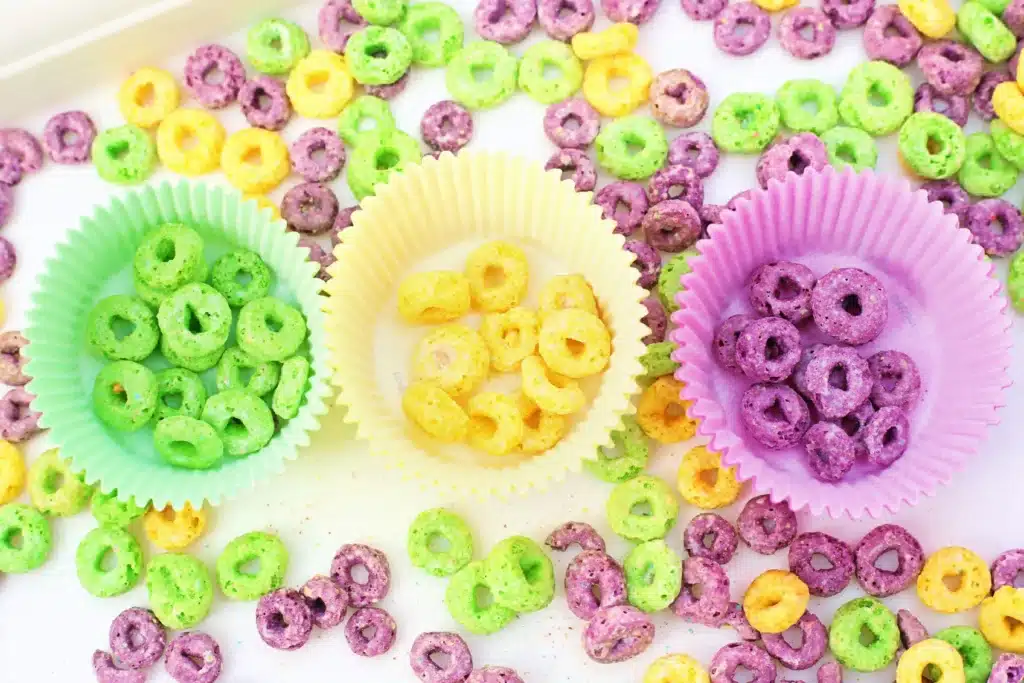
This Mardi Gras activity for kids works especially well in the morning, when energy is high and attention spans are fresh. The cereal base allows for snacking during play, (or during setup) making it an appealing choice for classrooms, homeschool spaces, and learning centers; really anywhere that could benefit from combining food-based activities with skill building.
Mardi Gras Sensory Bin Supplies List
This fine motor activity requires only a few easy-to-find materials and can be assembled in minutes.
- Plastic sensory bin or shallow container
- Froot Loops cereal
- Green cupcake liners
- Purple cupcake liners
- Yellow cupcake liners
- Sensory tweezers or child-safe tongs (optional)
Before setting up the bin, separate the green, purple, and yellow Froot Loops from the rest of the cereal. This step helps reinforce the colors that match the Mardi Gras theme clearly and reduces visual distractions during the color recognition activity. This step can be completed ahead of time to reduce setup time in the morning.
How to Set Up a Mardi Gras Color Sorting Sensory Bin
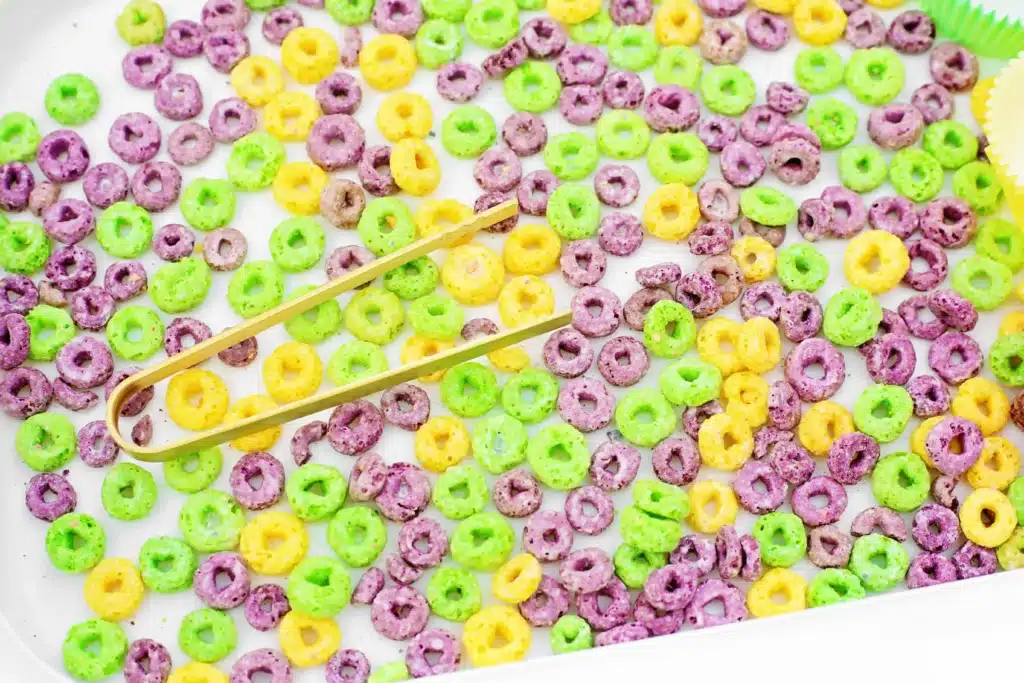
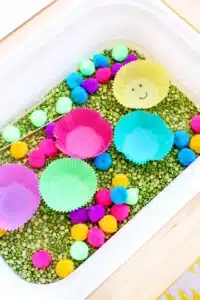
Begin by covering the bottom of the bin with the sorted green, purple, and yellow Froot Loops. Spread the cereal evenly across the base to create a visually inviting surface. Place the matching cupcake liners along one side of the bin or scatter them evenly around the bin.
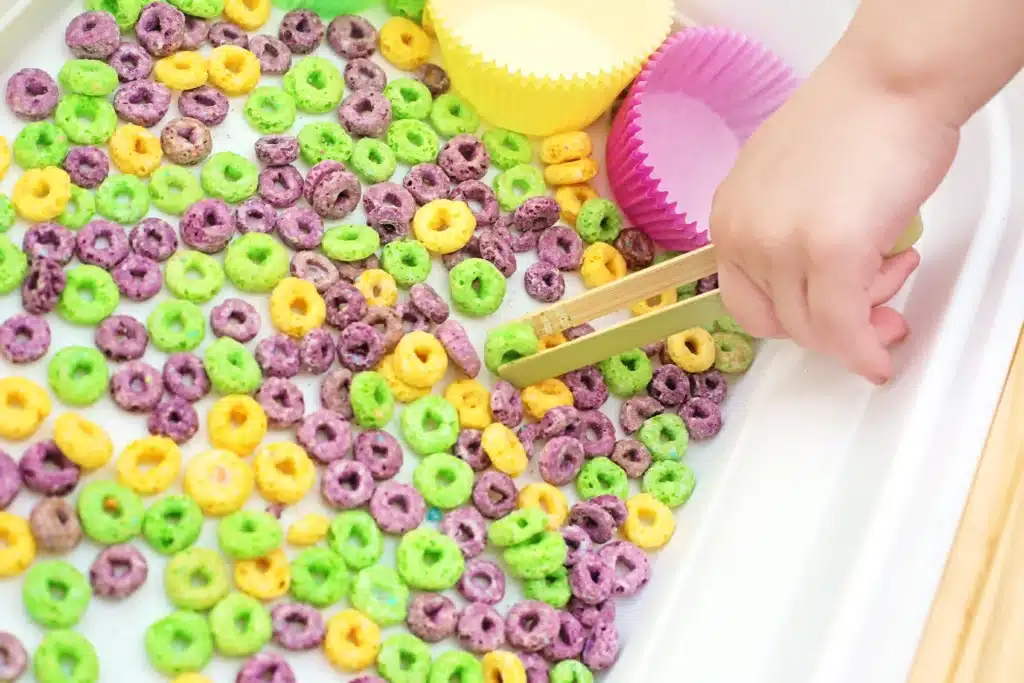
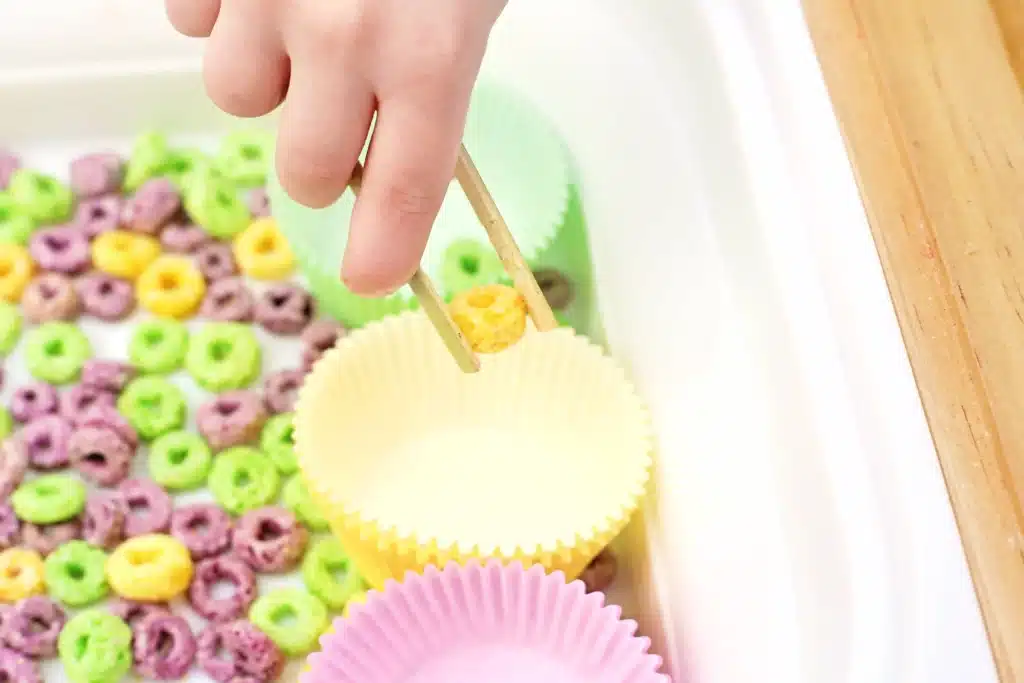
Sensory tweezers can be added to the bin to increase the fine motor workout. For younger children or early learners, fingers alone work perfectly well and allow for direct tactile feedback. The setup remains flexible and can be adjusted based on age, skill level, or classroom goals.
Instructions for a Color Recognition Activity Using Froot Loops
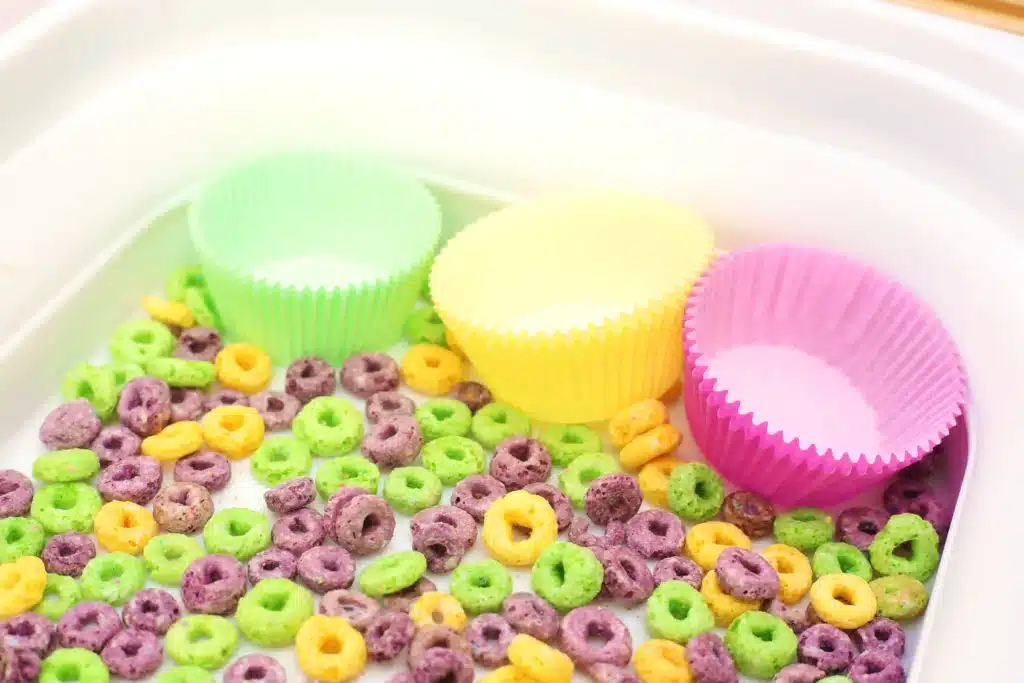
- Present the bin with the cereal already spread across the bottom.
- Indicate the cupcake liners and name each color aloud.
- Demonstrate placing one Froot Loop into the matching liner.
- Encourage sorting the cereal by color into the correct liners.
- Offer sensory tweezers for children interested in an added fine motor activity challenge.
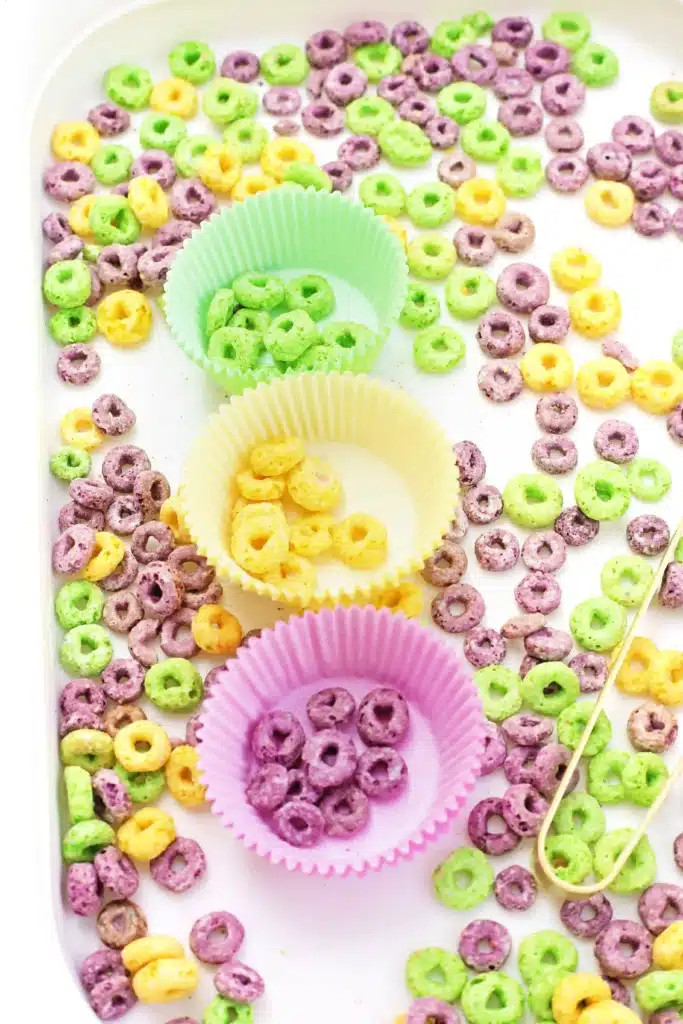
The instructions are simple and open-ended, allowing children to work at their own individual pace. The edible sensory bin format also allows for occasional tasting, which adds interest without disrupting the activity.
How Kids Engage With the Mardi Gras Color Sorting Sensory Bin
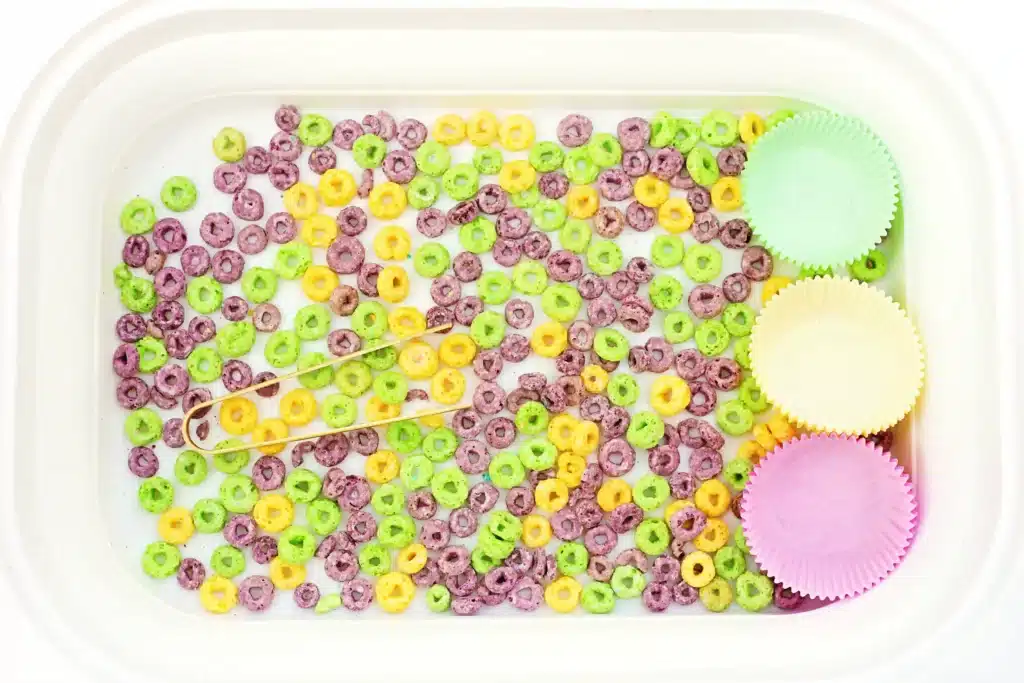
Children often begin by exploring the cereal freely, touching, moving, and visually scanning the colors. As sorting begins, kids start matching each Froot Loop with the correct cupcake liner. Some children prefer using fingers for quick transfers, while others gravitate toward sensory tweezers for careful placement.
This Mardi Gras sensory bin encourages repetition, which strengthens skill development over time. Sorting may restart multiple times, with cereal poured back into the bin and reorganized again. The activity adapts easily to independent play, small group work, or guided instruction.
The Meaning of Green, Purple, and Yellow in Mardi Gras Activities for Kids
The colors used in this Mardi Gras activity for kids carry historical and cultural significance. Purple represents justice, green symbolizes faith, and yellow or gold stands for power. Including these colors in a color recognition activity adds an extra layer of learning and connection to the holiday.
Using traditional Mardi Gras colors supports theme-based instruction and helps children associate colors with seasonal events. This sensory bin offers a concrete way to reinforce color names while introducing cultural context through simple discussion and observation.
Benefits of a Mardi Gras Fine Motor Activity Using an Edible Sensory Bin
This fine motor activity supports several key areas of early childhood development:
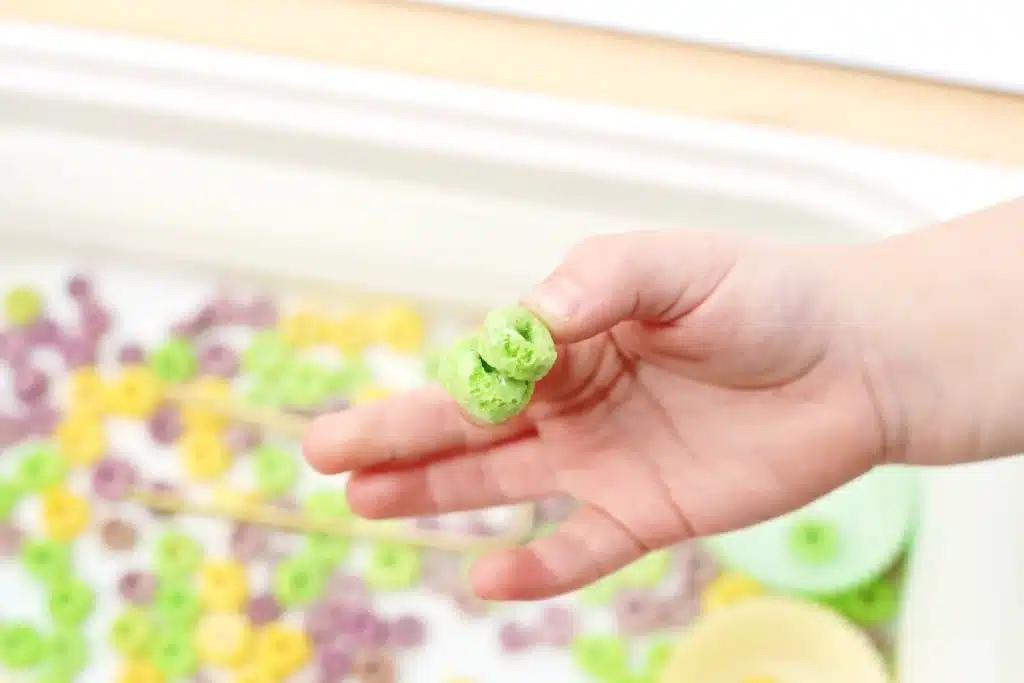
- Color recognition activity skills strengthen as children identify and match green, purple, and yellow pieces.
- Fine motor skills improve through grasping, pinching, and transferring cereal pieces.
- Hand-eye coordination develops with precise placement.
- Focus and concentration increase during repeated sorting and organizing.
- Sensory exploration occurs through texture, sound, and visual contrast.
The edible sensory bin format also reduces waste and allows materials to serve more than one purpose. Learning and nourishment exist happily side by side.
Why a Mardi Gras Sensory Bin Works in Early Learning Spaces
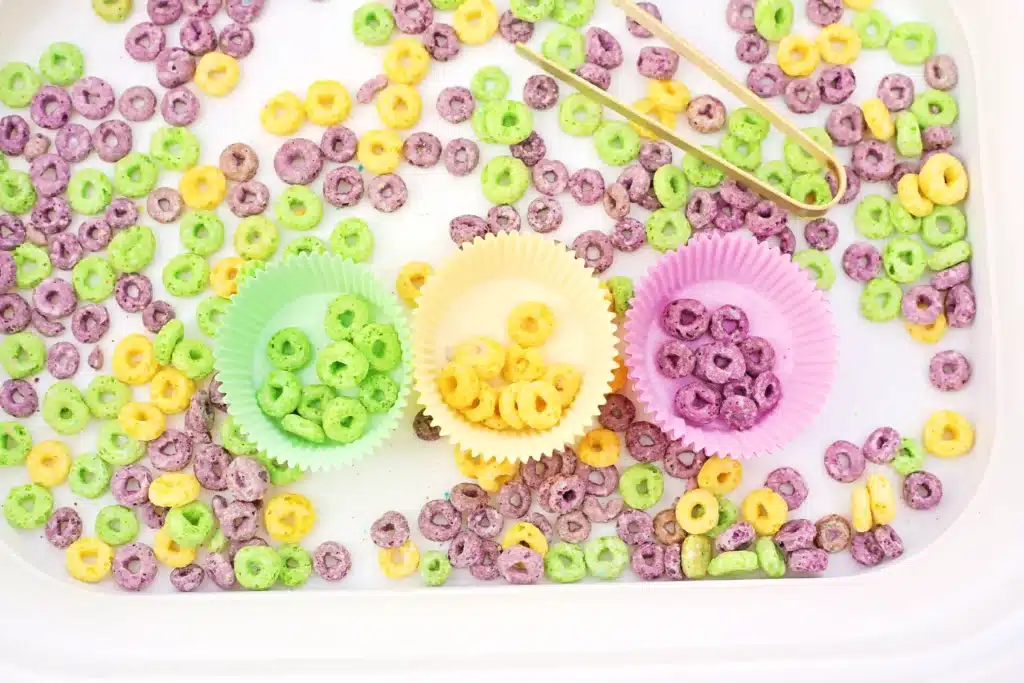
A Mardi Gras color sorting sensory bin fits seamlessly into classrooms, homeschool routines, and therapy settings. The setup is simple, the materials are affordable, and the activity scales easily for different ages. It supports structured learning goals while maintaining a relaxed, inviting atmosphere.
This color recognition activity pairs well with other Mardi Gras activities for kids, including bead counting, mask crafts, or music exploration. The bin can remain available throughout the morning, offering repeated opportunities for engagement and skill reinforcement.
Mardi Gras Color Sorting Sensory Bin for Preschool Celebrations
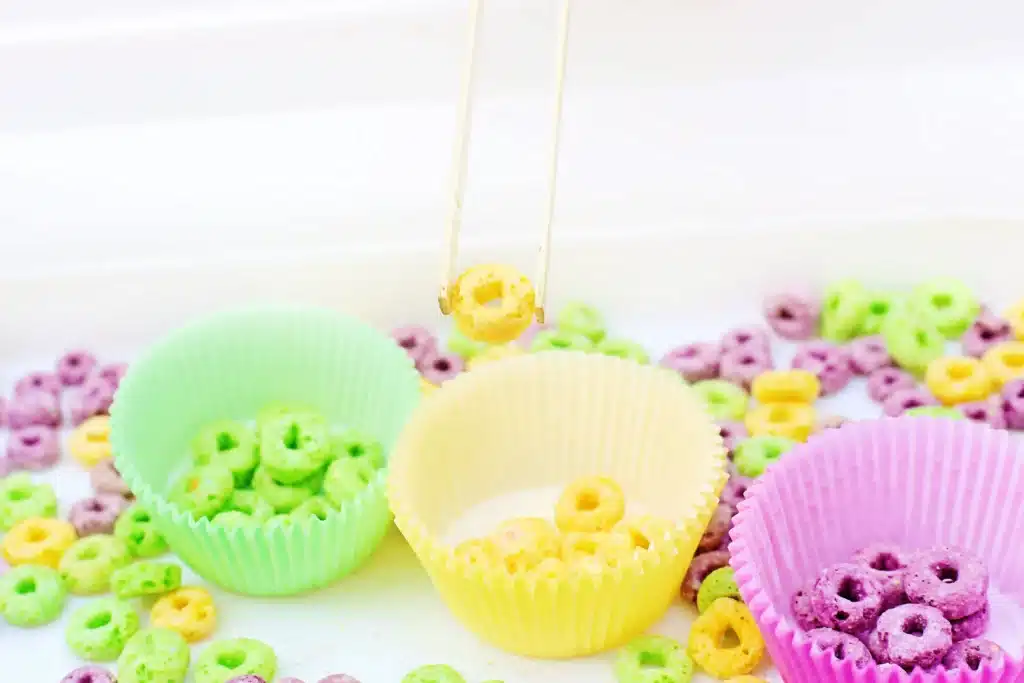
This Mardi Gras color sorting sensory bin brings seasonal color, simple materials, and intentional play together in one easy activity. Green, purple, and yellow Froot Loops spread across the bin form an inviting base, while matching cupcake liners guide sorting in a clear and visual way.
The edible sensory bin format keeps interest high, especially during early hours when children appreciate familiar foods. With minimal prep and strong visual appeal, this fine motor activity offers a practical way to celebrate Mardi Gras while supporting early learning routines through color-based play.
More Mardi Gras Fun!
- Mardi Gras Color Sorting Sensory Bin: A Color Recognition Activity for Kids
 Mardi Gras color sorting sensory bin is a hands-on activity for teaching color recognition and fine motor skills with purple, green, and gold supplies.
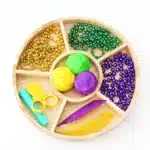
 - Mardi Gras Playdough Tray for Kids: A Hands-On Sensory ActivityThe Mardi Gras playdough tray uses green, yellow, and purple playdough with beads and feathers to support fine motor skills and seasonal learning.
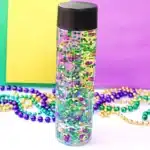
- DIY Mardi Gras Sensory Bottle for Screen-Free PlayCreate a Mardi Gras sensory bottle with beads, glitter, and traditional colors. It’s the perfect Mardi Gras sensory activity for visual exploration.
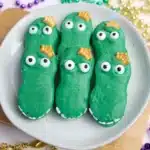
- Mardi Gras Alligator Nutter ButtersDiscover Mardi Gras Alligator Nutter Butters, a popular Carnival treat inspired by Louisiana traditions, perfect for parties, parades, and festive celebrations.




Leave a Reply