

Egg Carton Tree Sensory Bin: A Hands-On Winter Wonderland for Learning and Play
December 14, 2025

There’s something magical about transforming simple, everyday materials into a winter forest full of wonder. This Egg Carton Tree Sensory Bin turns an ordinary item—an empty egg carton—into a snowy small-world scene that inspires storytelling, exploration, and fine motor play. It’s an activity that brings the beauty of the season indoors, blending sensory learning with creativity in a way that feels joyful, calming, and deeply engaging.
This post contains Amazon affiliate links. I earn a small commission if you choose to purchase, at no additional cost to you!
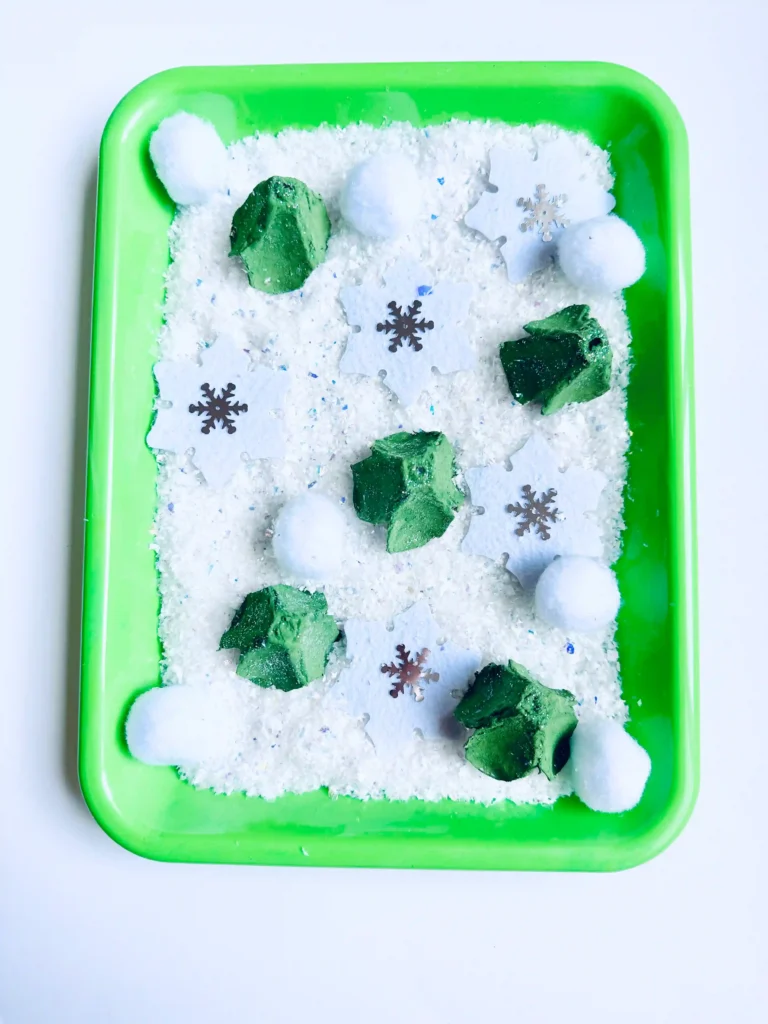
Winter sensory bins are one of the easiest ways to add meaningful, hands-on experiences to your classroom or homeschool routine. This one in particular captures the essence of winter without requiring fancy supplies. Children paint, cut, and build their own trees, then use them in a snowy sensory tray to create stories, count, sort, and explore textures. The bin encourages open-ended play, strengthens motor skills, and builds language as kids describe what they see and imagine what’s happening in their forest.
What makes this project so special is that the crafting process becomes part of the play. Before the sensory bin is even assembled, children are already creating the trees that will fill it. This step fosters ownership and pride—kids love seeing their handmade trees become part of their snowy world. It also offers rich opportunities to build fine motor control through cutting, painting, and gluing.
Materials You’ll Need
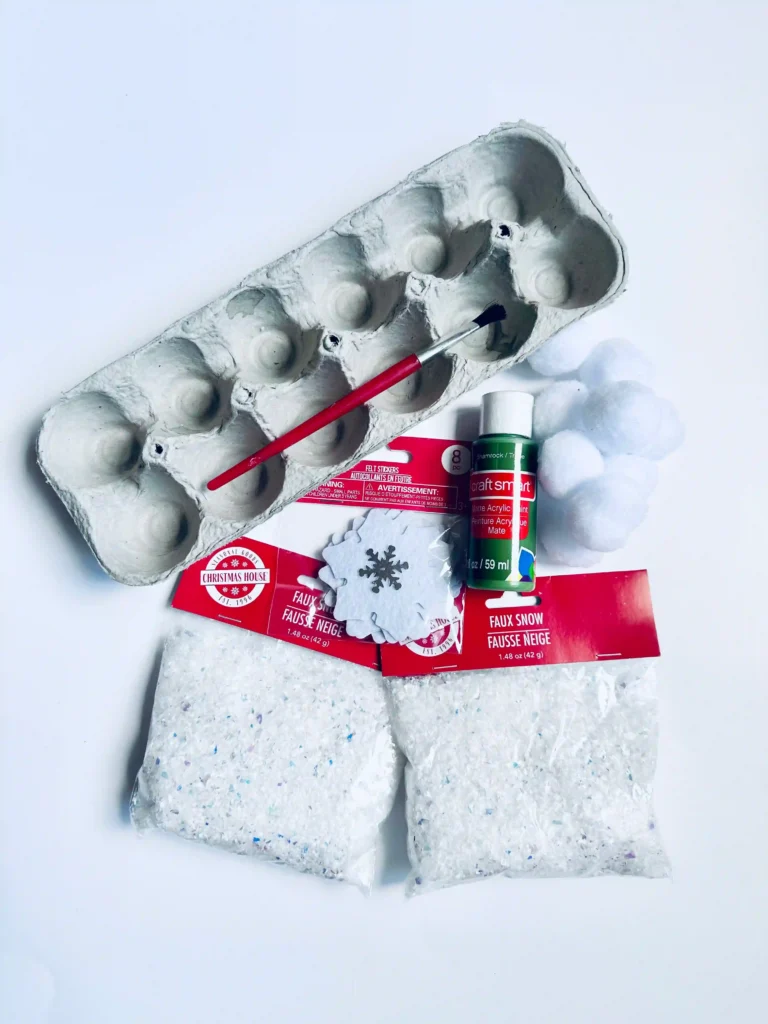
- Egg carton
- Child-safe scissors
- Green paint and a paintbrush
- Cotton balls
- Faux snow, shredded paper, or sensory-safe snow
- Snowflake confetti or small winter manipulatives
- Tray or sensory bin
- Optional: tongs, tweezers, scoops, or small cups
How to Create the Egg Carton Trees
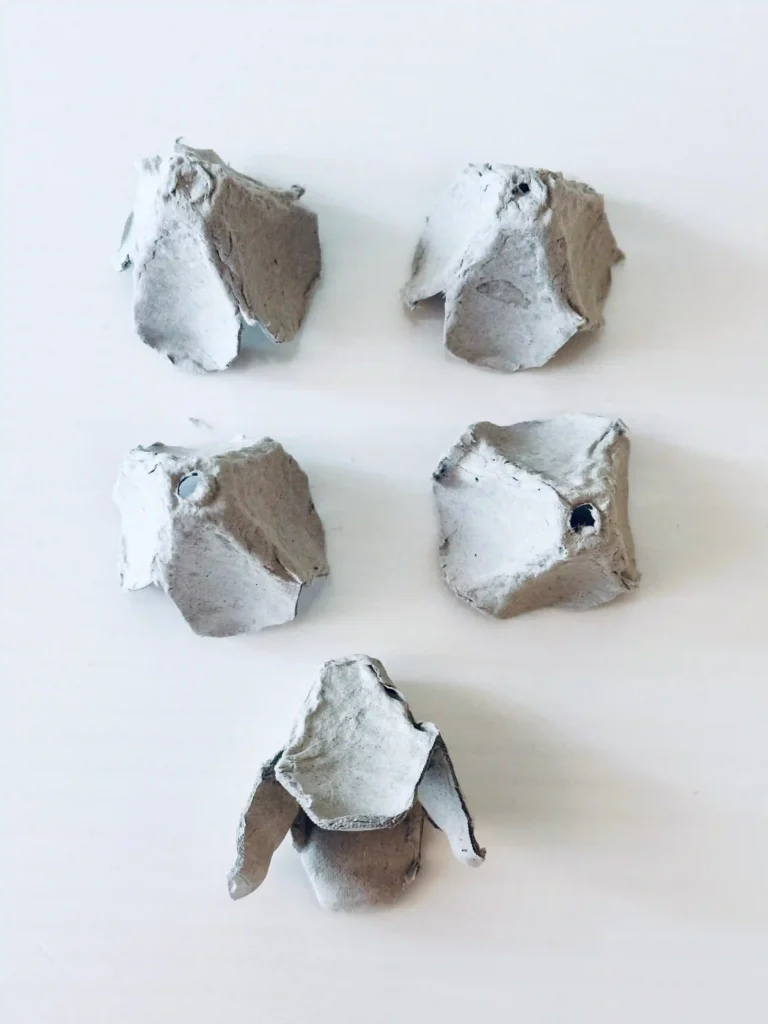
Start with an empty egg carton—this craft is a wonderful way to recycle materials while giving them new life. Cut apart the carton so each egg cup is separated. The round shape of the cups already resembles small trees, but for a more defined look, you can trim the tops into soft peaks or triangle shapes.
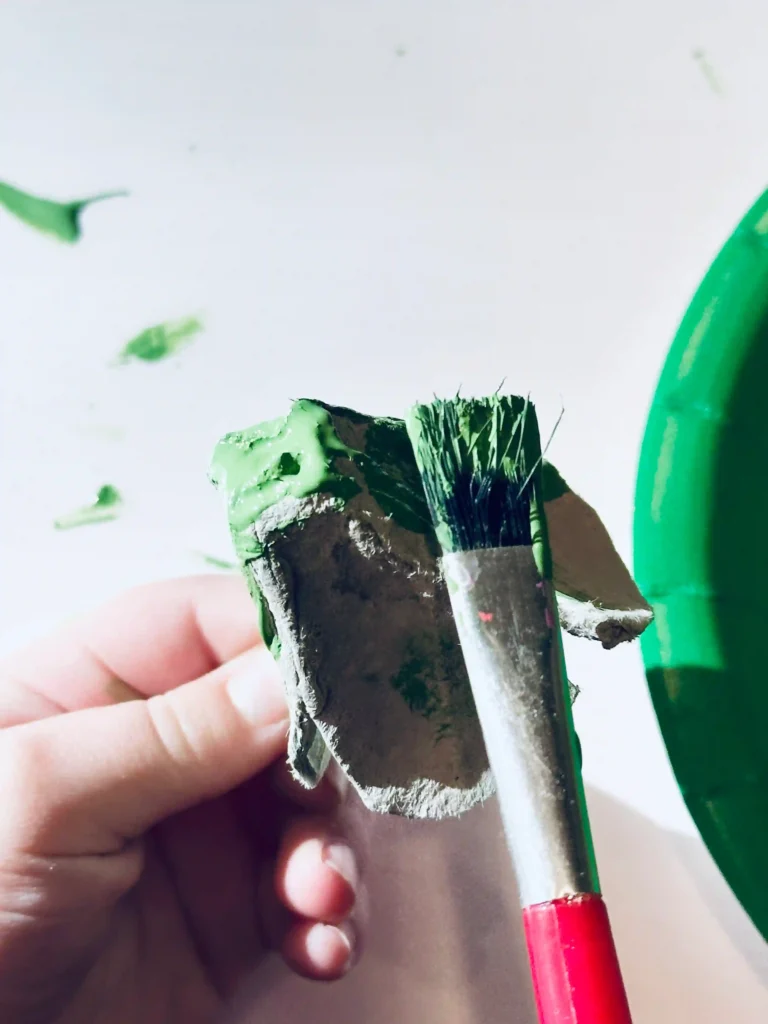
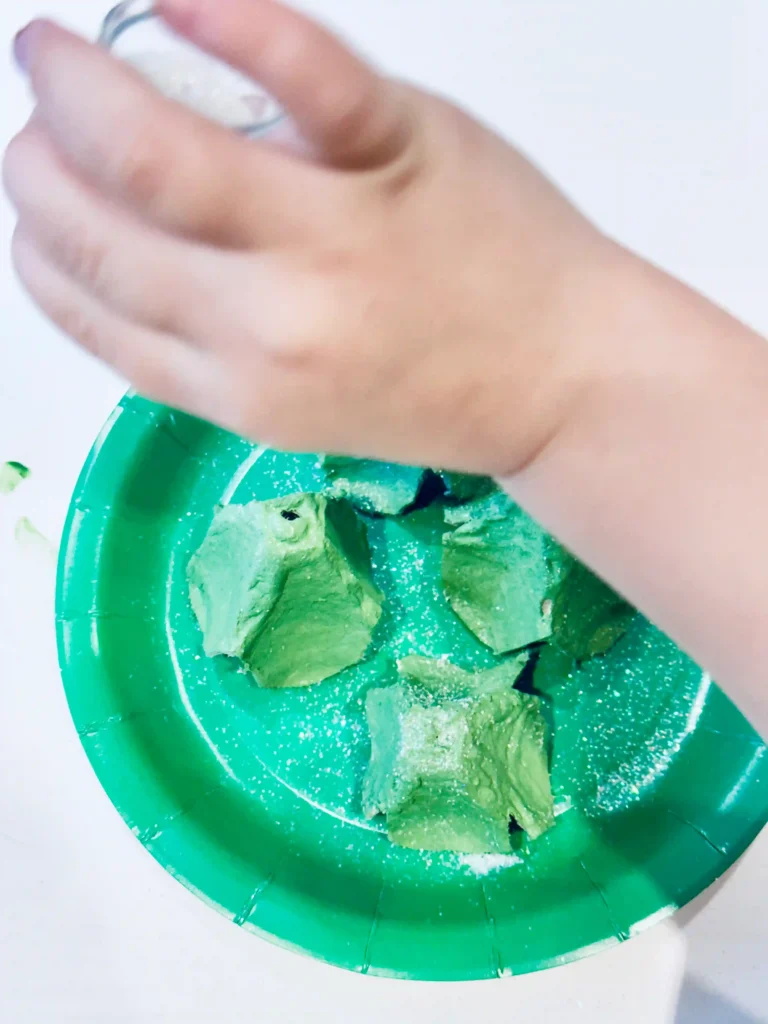
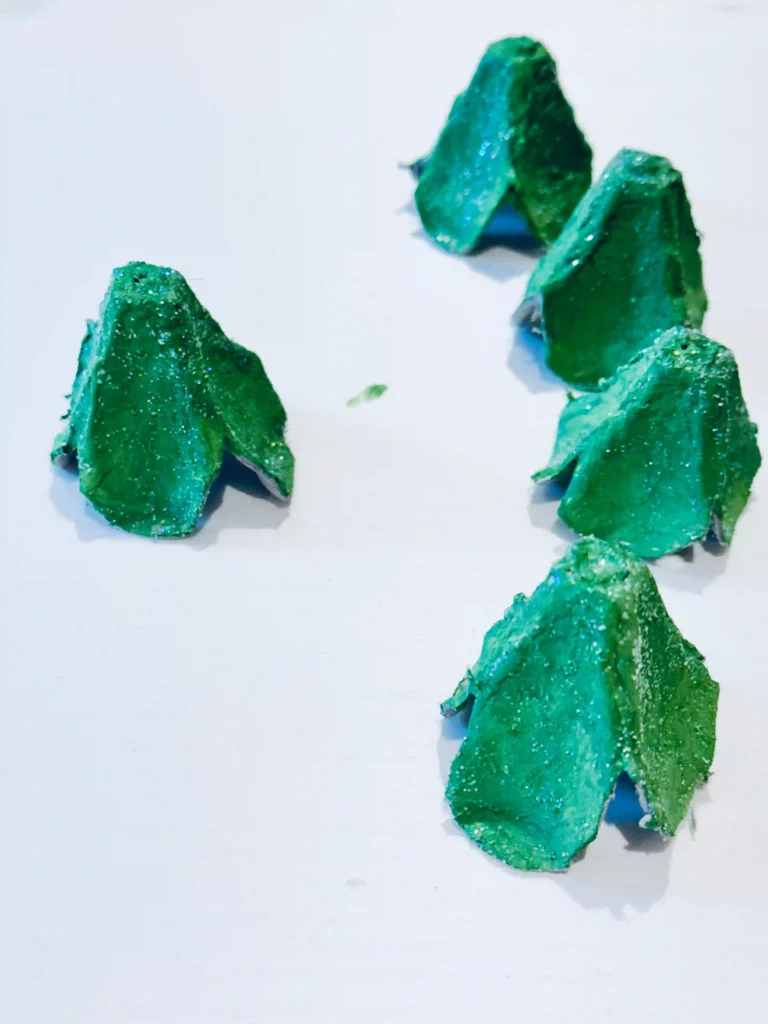
Paint each cup green, using a variety of shades if you want a forest full of color variation. Tempera or acrylic paint works well, and kids can add a bit of white to the tips of their “branches” for a snow-covered look. Once the cups are painted, set them aside to dry completely.
When the trees are ready, children can help add small details—dots of white paint to mimic snow, or tiny glitter specks for a frosty sparkle. Each one turns out slightly different, which makes the forest feel more realistic and personal.
How to Assemble the Sensory Bin
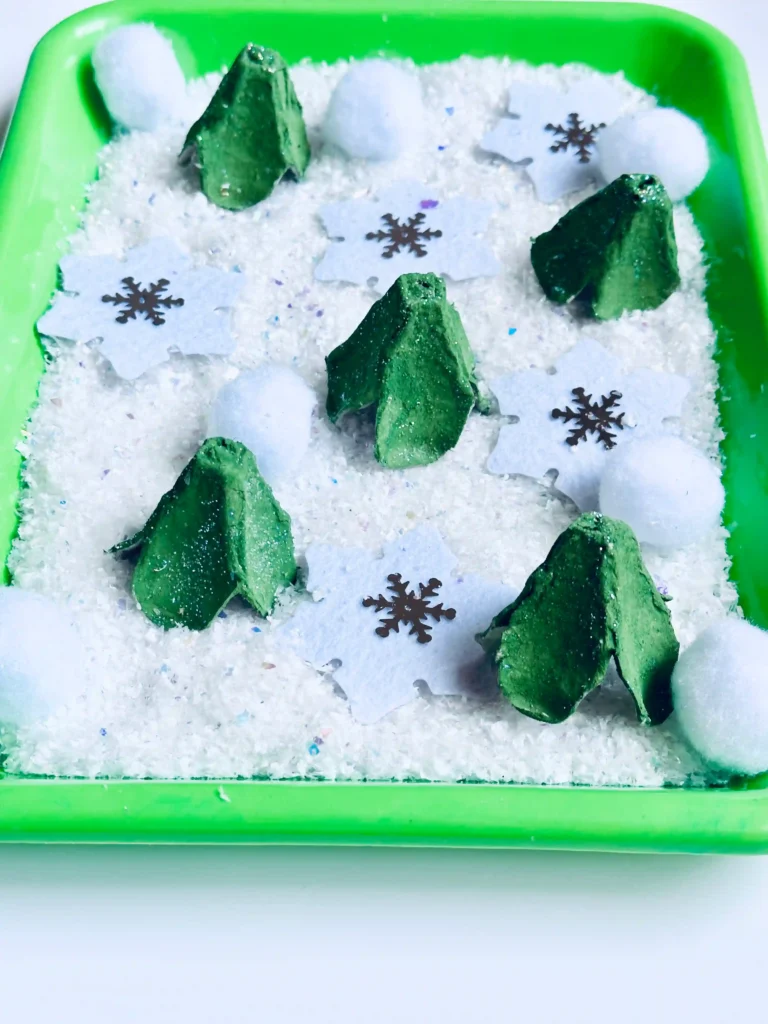
Once the trees are complete, it’s time to build the snowy landscape. Fill a sensory bin or tray with your chosen filler—faux snow is light and fluffy, while shredded white paper, cotton balls, or rice also make excellent bases. The goal is to create a soft, moveable surface that invites touch and exploration.
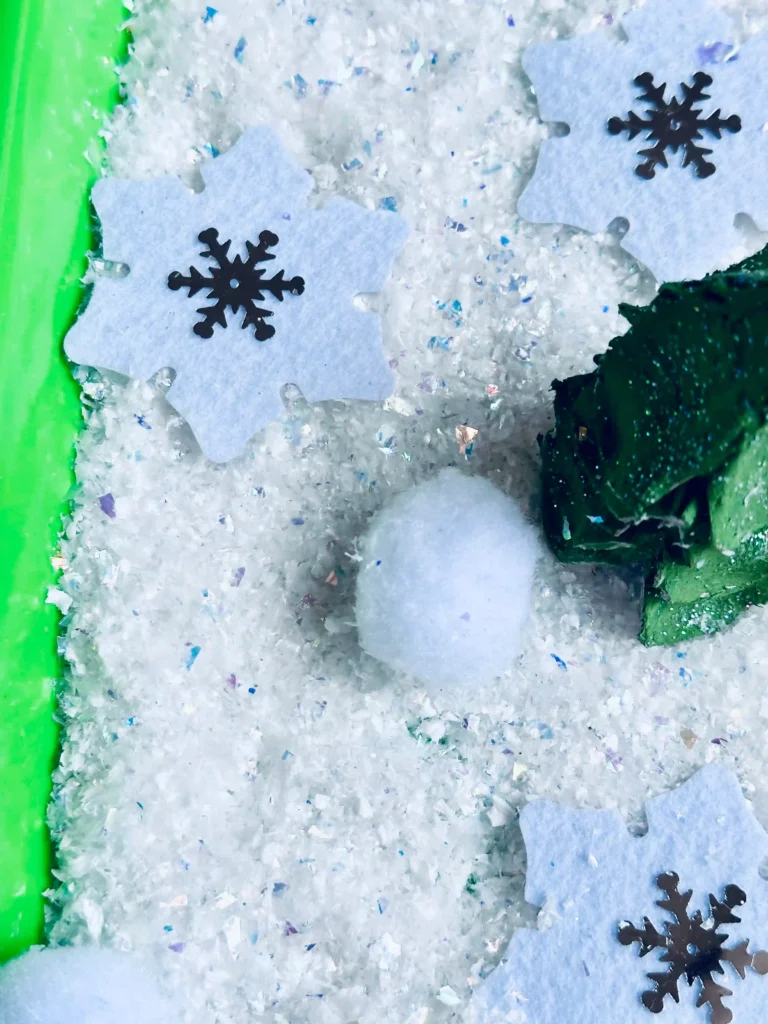
Arrange the trees throughout the bin, pressing some gently into the “snow” while others stand tall in clusters. Add cotton balls for snowdrifts, sprinkle in snowflake confetti, and include small winter pieces such as pinecones, mini animals, or sparkly gems. Children will naturally begin to manipulate and rearrange the materials, which is where the sensory and imaginative play begins.
To extend the experience, provide tools like tongs, tweezers, or scoops. These encourage fine motor development as kids grasp, transfer, and sort items throughout their play. Some might use spoons to scoop snow, while others stack the cotton “snowballs” or bury hidden treasures under the surface.
Play and Learning Extensions
Once the bin is ready, children can explore freely or respond to guided prompts depending on your learning goals. This one activity can cover so many areas of development:
- Fine motor skills: Scooping, grasping, pinching, and transferring materials strengthen hand muscles.
- Early math: Count the trees, sort snowflakes by size, or compare which trees are taller or shorter.
- Science exploration: Talk about how snow forms, what animals live in the forest during winter, or what happens when temperatures change.
- Language development: Encourage descriptive vocabulary—soft, fluffy, shiny, cold—and invite children to narrate stories about their forest.
Older children can extend this activity into storytelling or literacy connections. They might name their forest, invent characters, or use the bin to retell a familiar winter tale. You can even place small laminated cards inside the bin with story prompts such as “A snowstorm arrives!” or “A bear wakes up from hibernation.”
Suggested Book Pairings
Pairing this sensory bin with books adds depth and meaning to the experience, helping children connect their play with story themes and vocabulary. Here are a few beautiful options:
- The Mitten by Jan Brett — Perfect for retelling as children imagine animals finding shelter in their snowy forest.
- The Snowy Day by Ezra Jack Keats — Encourages imaginative play and connects to real-world winter fun.
- Over and Under the Snow by Kate Messner — Helps children visualize hidden habitats beneath their snowy scene.
- Bear Snores On by Karma Wilson — Inspires storytelling and small-world play with animals in their forest.
- Goodbye Autumn, Hello Winter by Kenard Pak — Pairs well with discussions of seasonal change and observation.
After reading, let children use the bin to act out parts of the story or create their own winter adventures. Story-based play strengthens comprehension, sequencing, and expressive language—all while keeping the experience playful and immersive.
Educational Benefits
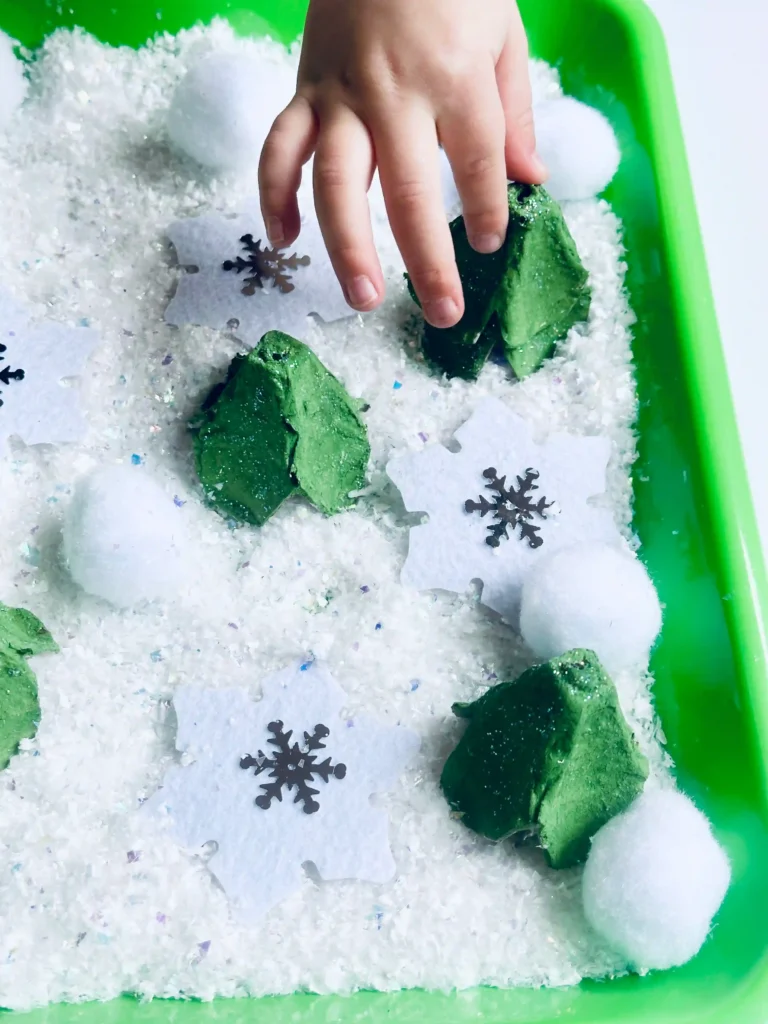
Beyond the fun, this sensory bin delivers a wealth of developmental benefits. It supports sensory regulation, giving children a calming, hands-on outlet for focus and relaxation. It builds fine motor precision and hand strength, encourages early math and science thinking, and expands language through storytelling and descriptive play. It’s an ideal blend of learning and sensory exploration that fits seamlessly into play-based instruction.
Reuse and Adaptation
One of the best parts of this activity is that it’s easy to store and reuse. The egg carton trees are sturdy enough to last for several sessions—simply remove them from the snow base, let them dry, and store them in a container for future use. You can repaint them to match other seasons, turning your winter forest into a spring meadow or an autumn woodland.
The sensory filler can also be saved and used again. Faux snow and cotton balls store easily in resealable bags, making setup even faster next time.
Final Thoughts
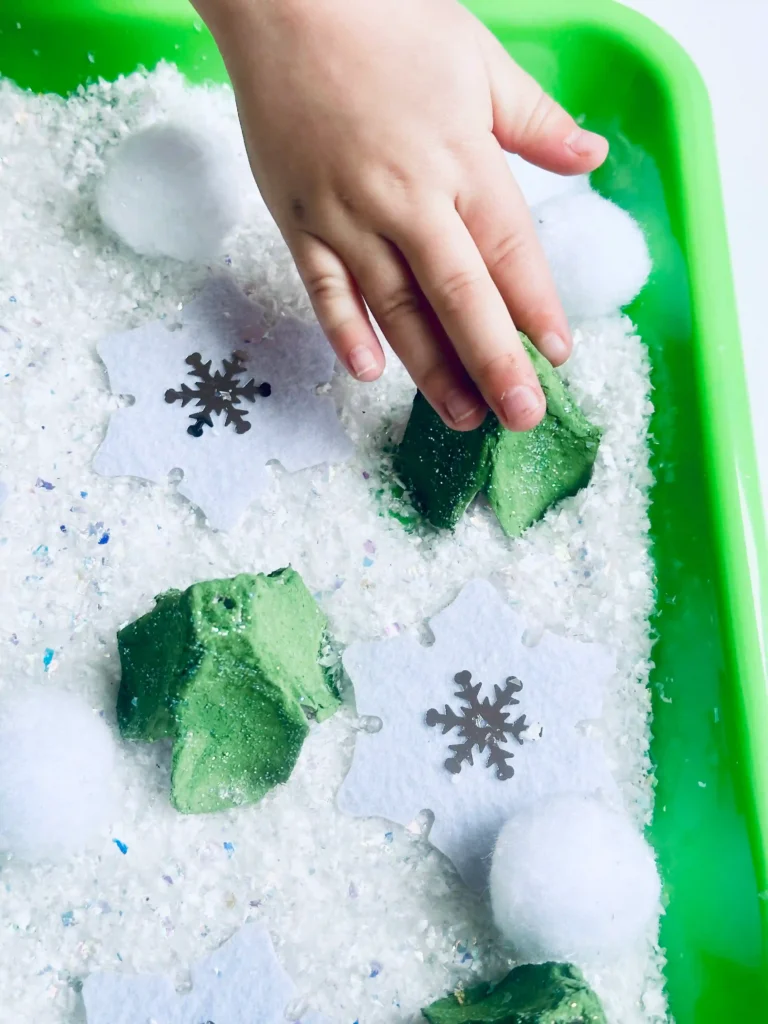
The Egg Carton Tree Sensory Bin combines crafting, creativity, and sensory play in a way that feels magical but remains beautifully simple. Children experience the joy of making something with their hands and then using it to play, imagine, and learn. Whether used in a classroom center, a homeschool setting, or as a quiet afternoon activity at home, this project brings winter learning to life—one tiny handmade tree at a time.
Liked This? You May Also Like…
- Ice Heart Suncatchers: A Valentine Activity for Kids Using Winter Nature Finds
 Ice heart suncatchers are a simple Valentine activity for kids using winter nature finds. Freeze icy hearts with leaves and twigs for glowing window art.
 - Melted Snowman Cheesecake Dip: A Snowman-Themed Winter Treat for KidsMelted Snowman Cheesecake Dip is a snowman-themed winter treat for kids made with cream cheese, whipped topping, and fun edible snowman details.
- Penguin Wafers: A Winter Snack for Kids That’s Almost Too Cute to EatPenguin wafers are a fun winter snack for kids made with chocolate wafers, candy eyes, and simple decorations. Perfect as a winter classroom snack!
- Strawberry White Hot Chocolate: The Best Winter Treat for KidsMake a creamy strawberry white hot chocolate recipe kids will love—sweet, cozy, and perfect for Valentine’s Day or chilly afternoons.
- Melting Snowman Sensory Activity: A Hands-On Winter Science ExperimentThis melting snowman sensory activity invites kids to explore cold ice, gritty salt, and warm water through hands-on winter sensory play and exploration.
- Savory Polar Bear Snacks: A Whimsical Winter Snack for KidsSavory polar bear snacks are a fun winter snack for kids made with crackers, cream cheese, and olives. It’s an easy winter recipe that kids will love.
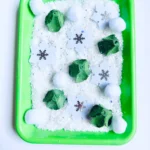
- Egg Carton Tree Sensory Bin: A Hands-On Winter Wonderland for Learning and PlayCreate a fun and educational winter activity with an Egg Carton Tree Sensory Bin! Perfect for toddlers and preschoolers to explore textures, colors, and imaginative play.
- Snow Globe Sensory Bottle: A Sparkly Winter Calm-Down Craft for KidsCreate winter magic with this calming Snow Globe Sensory Bottle! Perfect for toddlers, preschool, and kindergarten, this easy DIY sensory bottle encourages sensory exploration, mindfulness, and calm-down time. Great for winter activities, Christmas sensory play, calm-down corners, and early childhood learning centers. A simple, sparkly craft kids will love!
- Snowman Alphabet match center: A Winter Literacy Activity for KidsBring winter learning to life with this Snowman Alphabet Match Center! Perfect for preschool, pre-k, and kindergarten, this hands-on literacy activity helps kids practice uppercase and lowercase letter matching, letter recognition, and phonics skills. Ideal for winter centers, small-group work, morning tubs, and homeschool activities. Easy prep, engaging, and fun for early learners!









Leave a Reply